Vintage Elements in Modern Interior Design
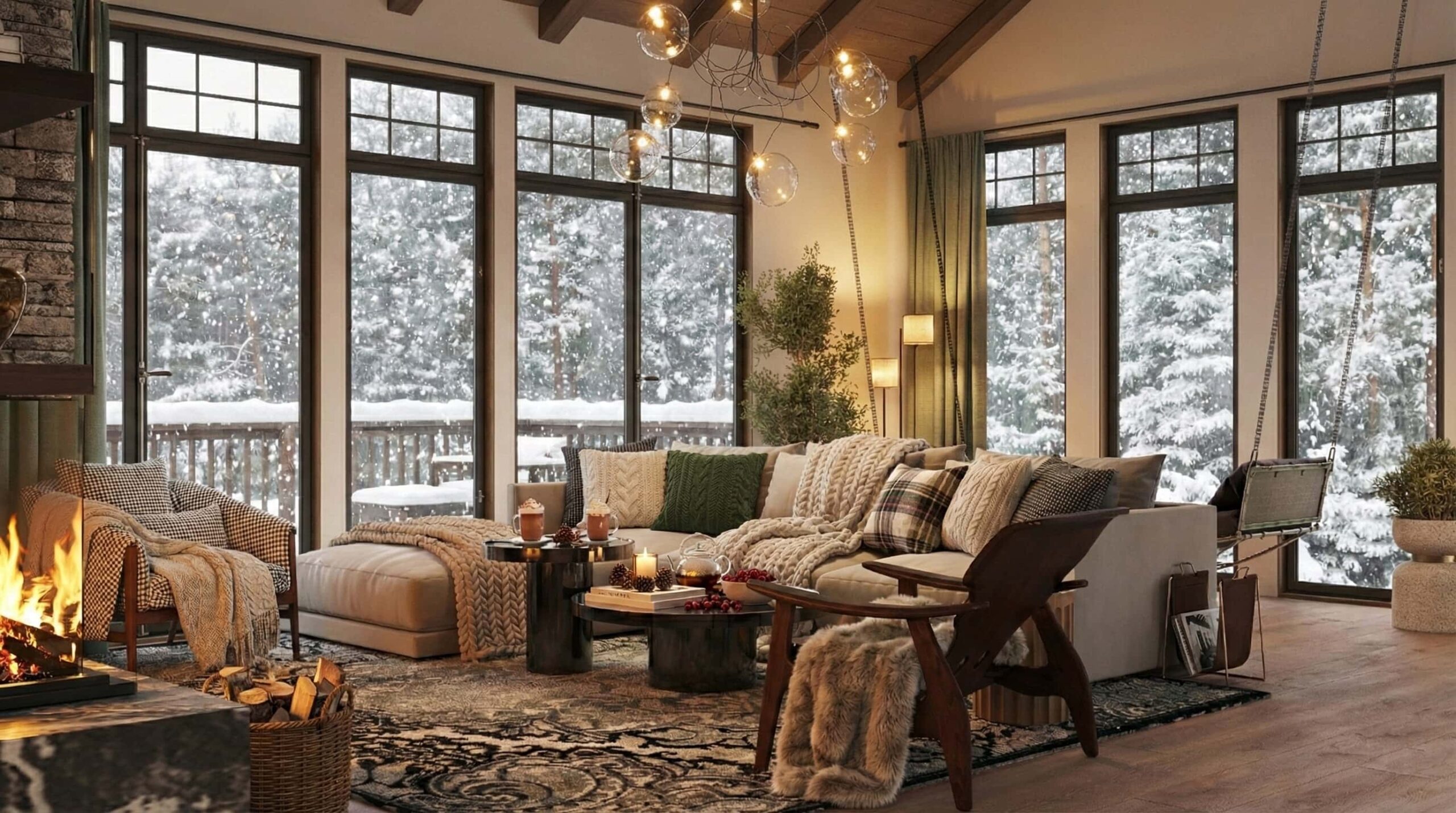
The smooth incorporation of historical components into contemporary rooms has become a popular trend in interior design. This style is a celebration of creativity, charm, and classic appeal that has been skillfully incorporated into modern living areas rather than simply paying tribute to the past. Homeowners and designers have the chance to create a narrative through modern vintage interior design, where nostalgia-inspired aesthetics blend with clean, contemporary lines. This combination of vintage furniture, retro lighting, and reclaimed materials results in spaces that are not only beautiful but also deeply personal.
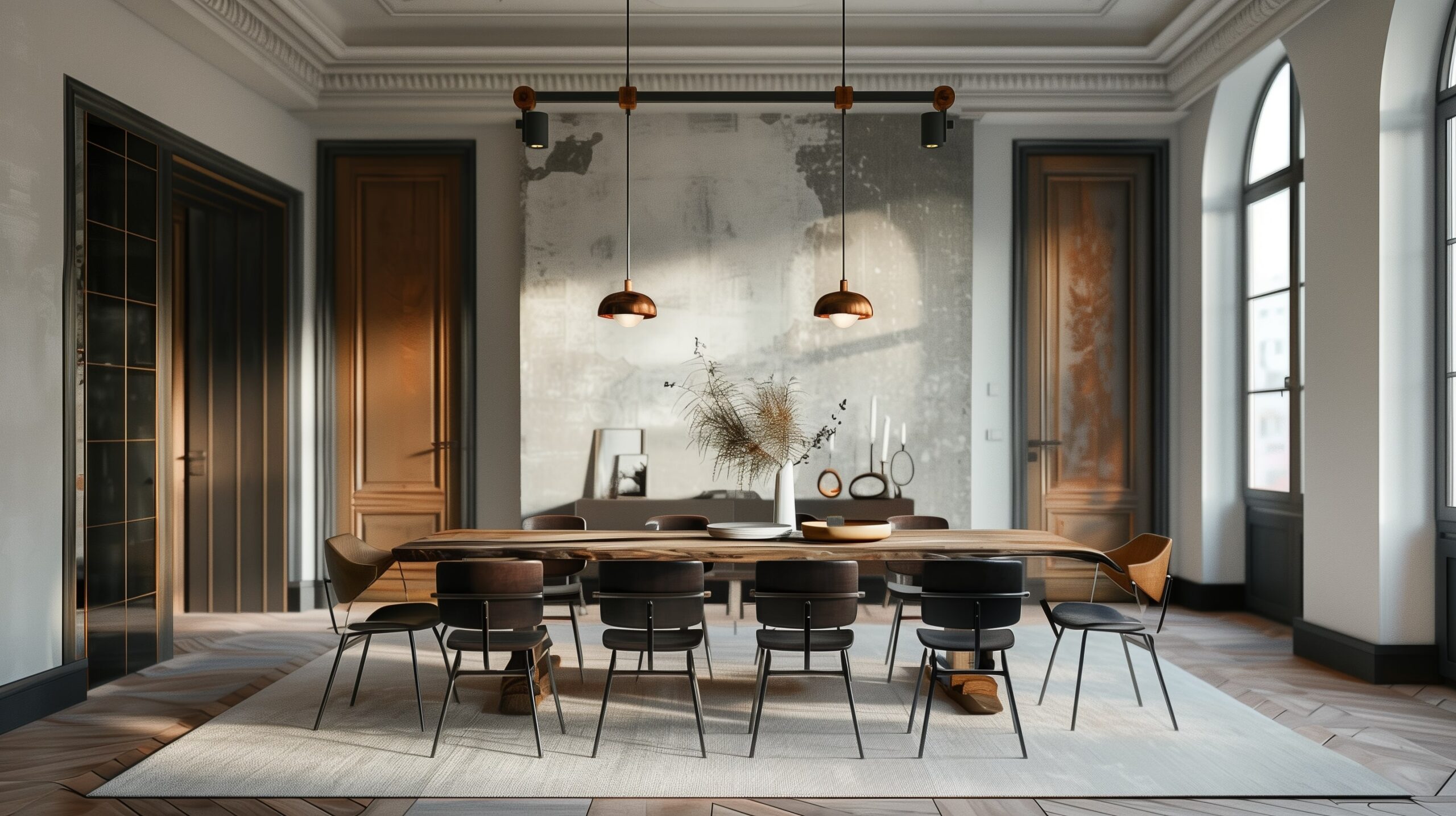
This article will lead you through the key strategies, concepts, and places to find inspiration behind vintage modern interior. A journey into the art of fusing the vintage and modern interior design, whether you’re an experienced designer, an architecture enthusiast, or a homeowner wishing to add personality to your home.
The Appeal of Vintage Elements in Contemporary Interiors
Vintage touches add depth, warmth, and uniqueness to a design world dominated by slick, minimalist trends. In contrast to modern mass-produced goods, vintage products frequently have a sense of narrative since every flaw, curve, or patina reflects a unique past.
The ageless appeal of vintage pieces is among the strongest arguments for the benefit of their incorporation. While contemporary trends may come and go, vintage looks tend to endure and give places a timeless, grounded vibe. Furthermore, in a society where conscious buying is becoming more and more important, they provide sustainable choices. Reusing recycled architectural elements, antique lighting, or heirloom furniture not only reduces waste but also maintains the appealing qualities of vintage modern interior design.
Furthermore, a mixture of styles is introduced by the vintage modern interior design, where contrast serves as the foundation for innovation. Putting a rustic wooden trunk at the foot of a modern bed or pairing a mid-century armchair with a minimalist sofa produces a deliberate, well-chosen, and fashionable visual tension.
Blending Antique and Modern Pieces
Balance is the key to both modern and vintage style interior design success. The thoughtful arrangement of antique pieces provides character without compromising coherence, as opposed to overpowering a space with exclusively vintage décor. An elegant 19th-century mirror over a contemporary console, for example, might create a focal point that unifies the room.
Layer in antique accents after starting with neutral backdrops like natural wood flooring, white or grey walls, and contemporary lighting. Subtly introducing retro bar carts, vintage side tables, or classic rugs can ensure that they blend in with modern furnishings rather than stand out.
Reusing vintage items is another successful strategy for a vintage modern interior. You can turn an old dresser into a chic vanity. In a modern bathroom, an old ladder might be converted into a towel rack. These well-considered integrations not only improve functionality but also tell a story of evolution and fusion visually.
Incorporating Vintage Materials in Modern Design
The tactile essence of design is found in materials. The materials you select are crucial in establishing the mood of modern vintage interior design ideas. Aged brass, distressed leather, wrought iron, stone, and reclaimed wood all have a certain beauty and authenticity.
Picture a sleek, contemporary kitchen with reclaimed wood shelving and bronze cabinet handles. Or a simple corridor with old-fashioned tiles. These materials add visual warmth and texture while breaking up the monotony of plain surfaces.
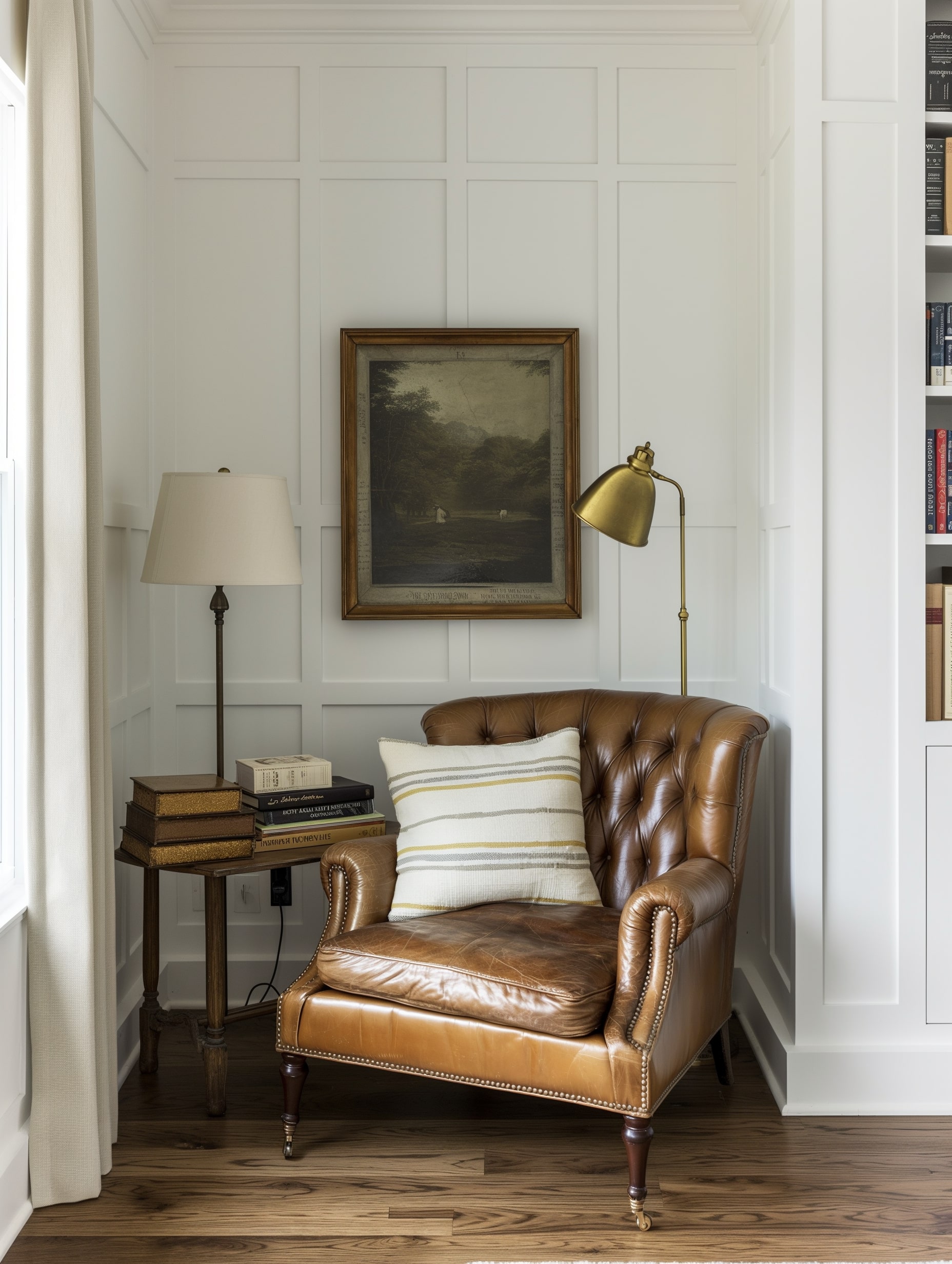
In particular, leather adds durability and a sense of heritage. A worn-out, faded leather armchair from the past gives character and depth to a contemporary reading corner. Similarly, to create subtle yet eye-catching contrasts, old metals, such as oxidised copper or antique bronze, can be implemented in drawer pulls or light fixtures.
Vintage and modern interior design employ these timeless textures and finishes to create multifaceted places that are rich in emotion and memory, in addition to being aesthetically pleasing.
How Vintage Touches Enhance Modern Interior Design
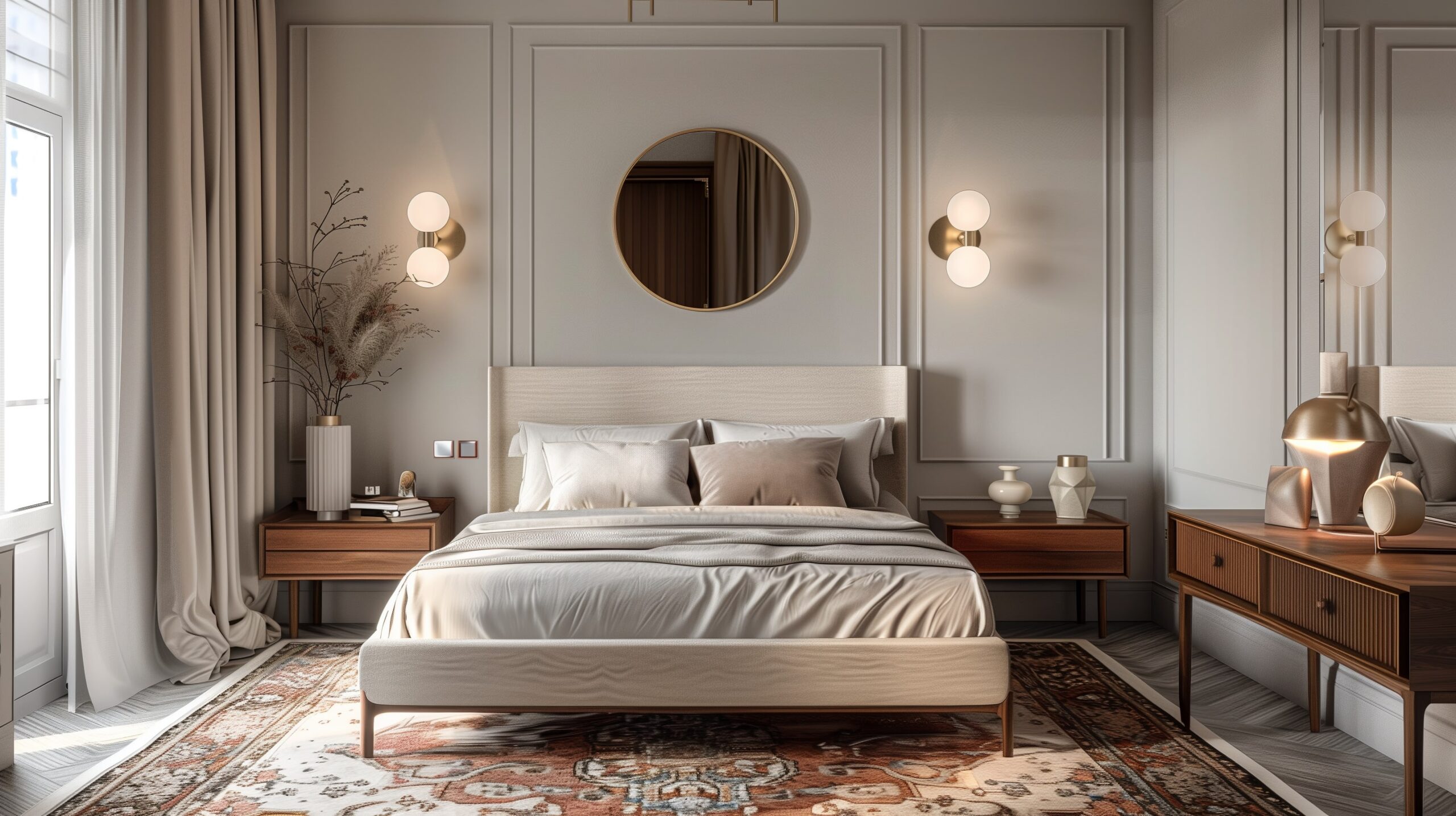
Slick, modern homes gain character and depth through the use of vintage touches. These components—such as an antique mirror, a vintage side table, or a distressed rug — provide depth and a feeling of nostalgia to modern vintage interior design that is impossible to do with just contemporary pieces. Their imperfections soften sharp edges and create a more welcoming atmosphere by telling stories.
A room can become more unique and emotionally appealing by carefully placing modern vintage interior design ideas. A heritage lamp on a minimalist desk or a vintage trunk at the foot of a contemporary bed may turn a sterile room into a homely haven. Every day, places gain authenticity and timeless charm from this blending of the past and present, which makes both modern and vintage interior design incredibly personal in addition to being visually striking.
Vintage Furniture and Modern Layouts
Furniture is one of the best methods to add a modern vintage style to your interior design. Solid wood structure, hand-carved embellishments, and timeless elegance that communicates a story are characteristics of vintage furniture that frequently make it more resilient than its modern counterparts. Modern mass-produced items just cannot match the charm and ability that these pieces convey.
Think of using a vintage writing desk in a contemporary home office, it instantly adds style and individuality. Or combine modern built-in closets with an ancient armoire to give a minimalist room depth and antiquity. In a minimalist environment, even a well-worn leather club chair may add comfort and texture.
Vintage furniture may also anchor different areas of a room and define zones in open-concept layouts, which are a trademark of modern vintage interior design. A vintage cabinet or sideboard, for example, can serve as both practical storage and a chic room divider between the dining and living areas. In addition to adding aesthetic value, this blending of eras makes your home feel more lively, lived-in, and multidimensional.
The Role of Color in Mixing Vintage and Modern Elements
A strong link between the past and present is colour. Coherence can be assured when combining modern and vintage interior design elements with a carefully considered colour scheme. Modern neutrals like grey, black, and white look great with earthy tones like olive green, mustard, rust, and terracotta, which are common colours in retro interior design.
Select a dominating colour palette and let vintage items complement or echo it to create harmony. For example, an antique Persian rug in warm reds and golds can add a pop of colour to a modern space that is mostly grey and white. On the other hand, pastel colours like sky blue, mint, and blush can add a touch of nostalgia without sacrificing their modern, fresh appeal.
Colour affects mood as well. Warmer antique tones provide tenderness and approachability to modern spaces that could otherwise feel impersonal or frigid. This psychological impact improves a space’s cosiness and livability of a vintage modern interior.
Key Trends in Vintage and Modern Interior Design
Today’s design trends increasingly embrace modern vintage interior design by merging styles across eras. One key trend is the layered aesthetic — mixing vintage and modern furniture to create curated, eclectic spaces. For example, pairing a retro armchair with a clean-lined sofa creates a striking contrast and harmony.
Another trend is the use of reclaimed and sustainable materials, where vintage finds are upcycled into fresh, functional pieces, combining eco-consciousness with heritage appeal. Color trends also reflect this fusion: deep greens, burnt oranges, and mustard yellows bring a retro vibe into modern interiors.
Ultimately, the success of vintage modern interior trends lies in balance — honoring the old while embracing the new to craft interiors that feel grounded, stylish, and truly unique.
Vintage Lighting in Modern Spaces
Lighting serves as both a functional and artistic element in design, and in the context of modern vintage interior design, it’s a powerful way to bring old-world elegance into present-day spaces. Vintage lighting — be it an Art Deco chandelier, an industrial pendant lamp, or a mid-century floor lamp — adds sculptural beauty and instant ambiance to any room.
In contemporary interiors, these fixtures become more than sources of illumination — they’re conversation pieces. A retro sputnik chandelier can elevate a minimalist living room with bold geometric flair, while Edison bulb fixtures or brass sconces add a cozy, historic touch to an ultra-sleek kitchen or hallway.
Moreover, layering vintage lighting — such as combining a classic table lamp with recessed ceiling lights — adds depth and warmth to modern interiors. When incorporating these modern vintage interior design ideas, it’s important to ensure the wiring is updated for safety and energy efficiency. Fortunately, many design stores now offer high-quality reproduction lighting that captures the essence of vintage aesthetics while meeting today’s standards. Vintage lighting bridges eras effortlessly, casting not only light but also timeless charm across your interior landscape.
Vintage Artwork in Modern Interiors
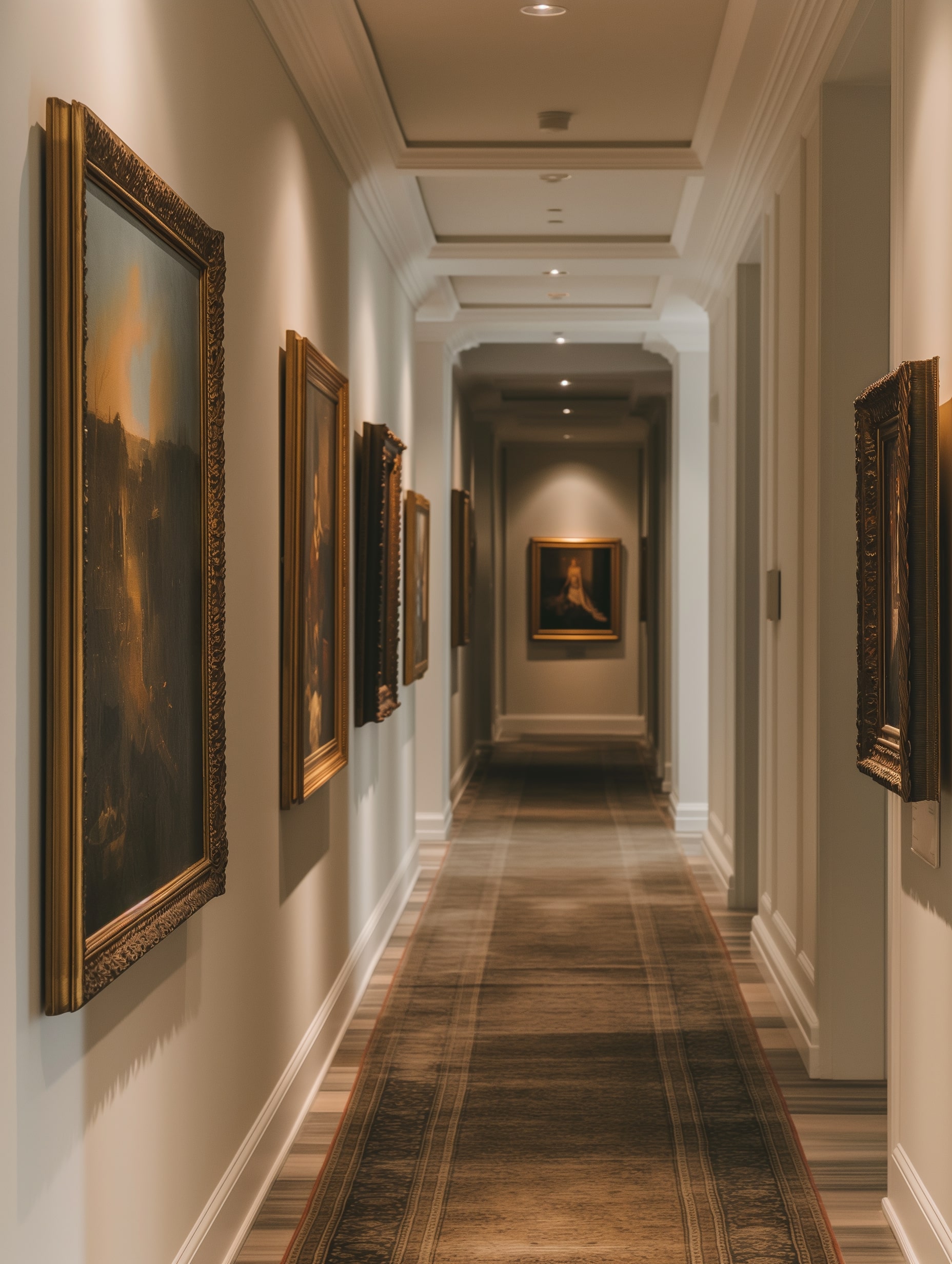
Art brings identity to a space, and vintage artwork offers a compelling contrast to clean, modern interiors. From oil paintings in gilded frames to aged botanical prints or monochrome photographs, these pieces carry emotional and cultural weight that enriches the visual narrative of a room.
Incorporating vintage art into interior design, modern vintage styles allow for thoughtful storytelling. An antique portrait over a streamlined mantelpiece introduces a romantic, historical feel, while a gallery wall of vintage sketches in a contemporary hallway creates depth and intrigue. The layering of old and new encourages viewers to slow down and engage with the space.
Even in the most minimalist settings, a single, well-placed vintage piece can command attention and elevate the mood. Consider mixing media by pairing modern sculpture or abstract prints with antique tapestries or baroque-style frames. The contrast enhances the eclectic charm of modern vintage interior and creates a gallery-like effect that feels curated, not cluttered. Vintage art doesn’t just decorate — it connects, grounds, and enhances the fusion of time periods that defines truly exceptional design.
The beauty of vintage and modern interior design lies in its ability to create harmony through contrast. It allows us to honor the past while embracing the present, to celebrate imperfections, and to curate interiors that reflect both personal history and modern sensibilities.
Whether you’re integrating an heirloom table into a sleek dining room, repurposing retro materials into new uses, or simply adding an antique mirror to a contemporary hallway, vintage modern interior design is about storytelling. It’s about layers of texture, of meaning, of time.
In the end, the most successful interiors are those that feel lived-in, loved, and unmistakably personal. By blending vintage elements into modern design thoughtfully and creatively, we create spaces that are not only stylish but also soulful.