A yacht refit is often described as a single type of project. In reality, it can be driven by entirely different circumstances.
For some owners, it begins with the acquisition of a yacht — a desire to adapt the interior to a new lifestyle, new expectations, and a different definition of comfort.
In other cases, it follows years of active cruising, when everyday life on board gradually reveals limitations that were not immediately apparent. A layout that once felt practical may no longer support the way the yacht is used. Technical systems begin to age, guest expectations evolve, and the experience on board no longer feels as effortless as it once did.
There are also moments when a yacht simply no longer reflects its time. Materials, layouts, technologies, or the overall design language begin to feel out of step with contemporary standards, even though the yacht itself remains structurally exceptional.
Despite these very different starting points, they are often grouped under the same definition — a yacht refit. Yet the same definition does not necessarily mean the same type of project.
Without a precise understanding of what truly needs to change, some owners commit to transformations that exceed their needs, while others limit the project to cosmetic improvements that leave the underlying issues unresolved. The result is often unnecessary investment or missed opportunities to improve the yacht in ways that genuinely enhance life on board.
Every project exists on a spectrum — from a subtle refresh to a complete transformation. Identifying the right level from the outset allows every design decision, technical upgrade, and investment to serve a clear purpose, ultimately leading to a more coherent and successful project.
What Yacht Refit Really Means
In everyday conversation, a yacht refit is often used to describe almost any work carried out on a yacht. Routine maintenance, regulatory inspections, equipment replacement, interior upgrades, or even a fresh coat of paint are frequently grouped under the same definition.
In reality, these projects can differ dramatically in both scope and purpose.
Routine maintenance is designed to preserve a yacht in its current condition. It keeps systems operating safely, ensures compliance with regulations, and protects the vessel from normal wear over time. While these works are essential, they do not fundamentally change the yacht itself.
A true yacht refit goes beyond preservation. Rather than simply maintaining what already exists, it reconsiders how the yacht should perform in the years ahead. Depending on the project’s objectives, a yacht renovation may focus on improving the yacht interior, upgrading technical systems, enhancing functionality, or redefining the overall onboard experience.
For this reason, the term refit should not be understood as a single type of project. Instead, it describes a wide range of interventions, each responding to different needs, priorities, and long-term goals.
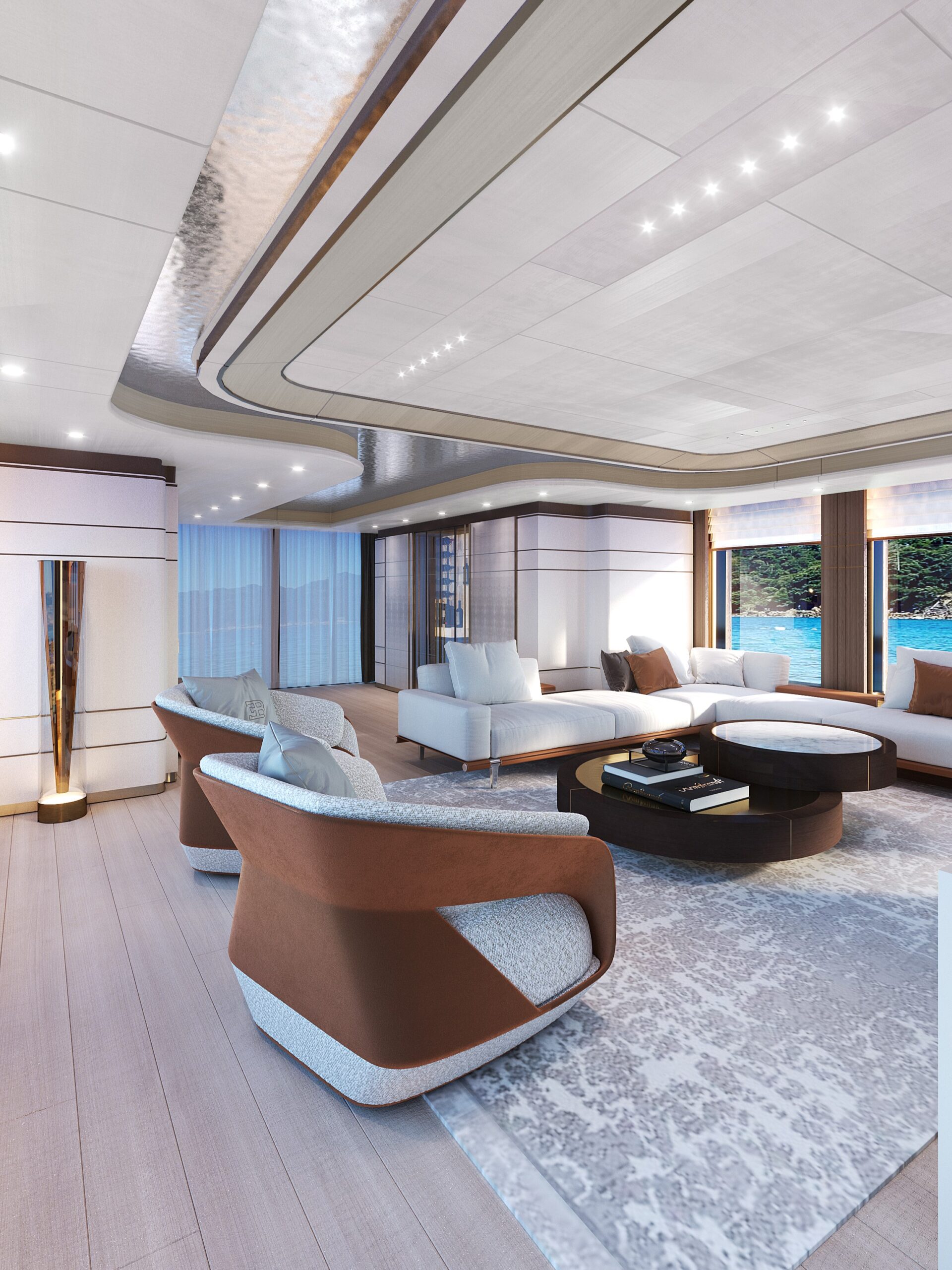
The Three Levels of Yacht Refit
Every yacht refit is unique. The age of the yacht, its condition, the owner’s priorities, and the intended use all influence the scope of the project. Yet despite these differences, most refits naturally fall into three distinct levels. The distinction is determined not by budget or the size of the yacht, but by the purpose of the transformation and the type of improvements required.
Understanding these levels helps owners establish realistic expectations, allocate investment more effectively, and focus on the changes that will have the greatest impact on life on board.
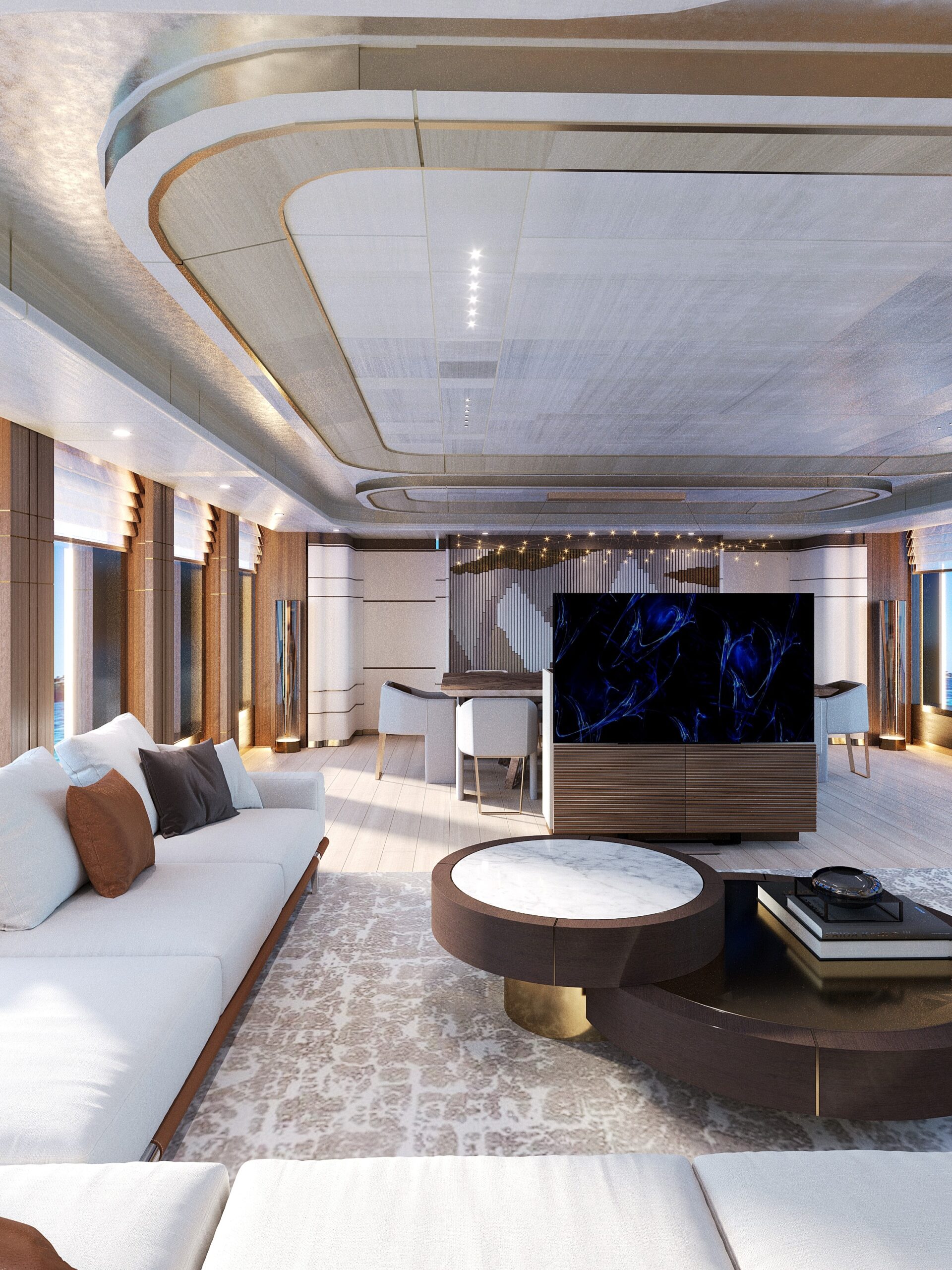
Level 1 — Soft Refit / Seasonal Refresh
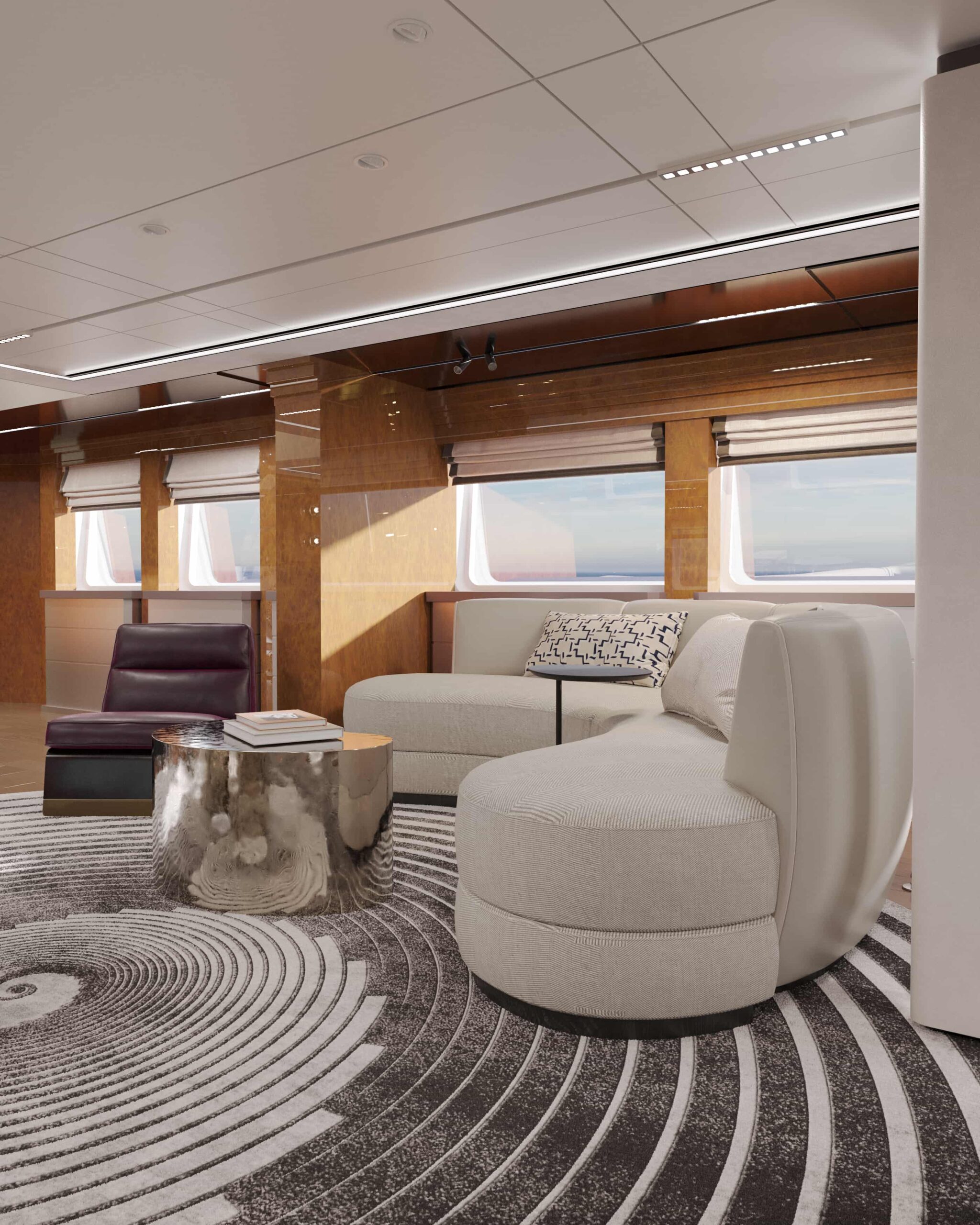
The most restrained level of yacht refit focuses on perception rather than reconstruction. Instead of altering layouts or replacing major systems, a soft refit works through the details that shape the atmosphere of the interior — materials, textiles, loose furniture, decorative finishes, lighting, and styling.
This type of project is often chosen by owners who have recently acquired a yacht, are preparing it for major industry events like the Palm Beach International Boat Show or the Monaco Yacht Show, or simply want to refresh the onboard environment without interrupting the yacht’s operation for an extended period.
Although the intervention is relatively modest, the result can be surprisingly significant. The careful selection of materials, textures, colour palettes, and lighting scenarios has the ability to completely change how an interior is perceived, creating a more contemporary, cohesive, and welcoming environment.
One of the most common misconceptions is that a soft refit is purely cosmetic. In reality, a carefully planned interior refit can significantly change how a yacht interior is perceived. Material textures, lighting temperatures, colour balance, and carefully selected finishes influence the emotional character of a space long before any structural changes become necessary.
Rather than introducing dramatic changes, a soft refit refines what already exists, allowing the yacht to feel renewed while preserving its original character.
Level 2 — Functional Refit
As owners spend more time on board, they often discover that the yacht’s greatest limitations are not aesthetic but functional. Daily routines evolve, guest expectations change, and spaces that once worked well may no longer support the way the yacht is actually used.
A functional yacht refit focuses on improving these everyday experiences. Rather than changing the yacht’s identity, it refines how the interior performs. This may involve rethinking the relationship between social areas, improving storage solutions, increasing privacy between guest and crew zones, optimizing circulation, or integrating new technologies that simplify life on board.
Many of these improvements are almost invisible once the project is complete. Yet they have a profound impact on comfort. A better-organized galley improves service. More intuitive circulation reduces unnecessary movement. Carefully considered storage eliminates visual clutter. Improved lighting, acoustics, and integrated technology create spaces that feel calmer and easier to live in.
Owners often believe they need more space, when in reality they need better organisation of the space they already have. A successful functional refit begins by analysing everyday routines, identifying where movement feels inefficient, where privacy is compromised, or where spaces no longer support contemporary life on board. In many cases, thoughtful planning delivers a greater improvement than increasing the size of the yacht interior itself.
Unlike a soft refit, where the emphasis is placed on atmosphere, a functional refit is driven by the way people interact with the yacht every day. The objective is not to redesign for the sake of change, but to remove friction from everyday life on board.
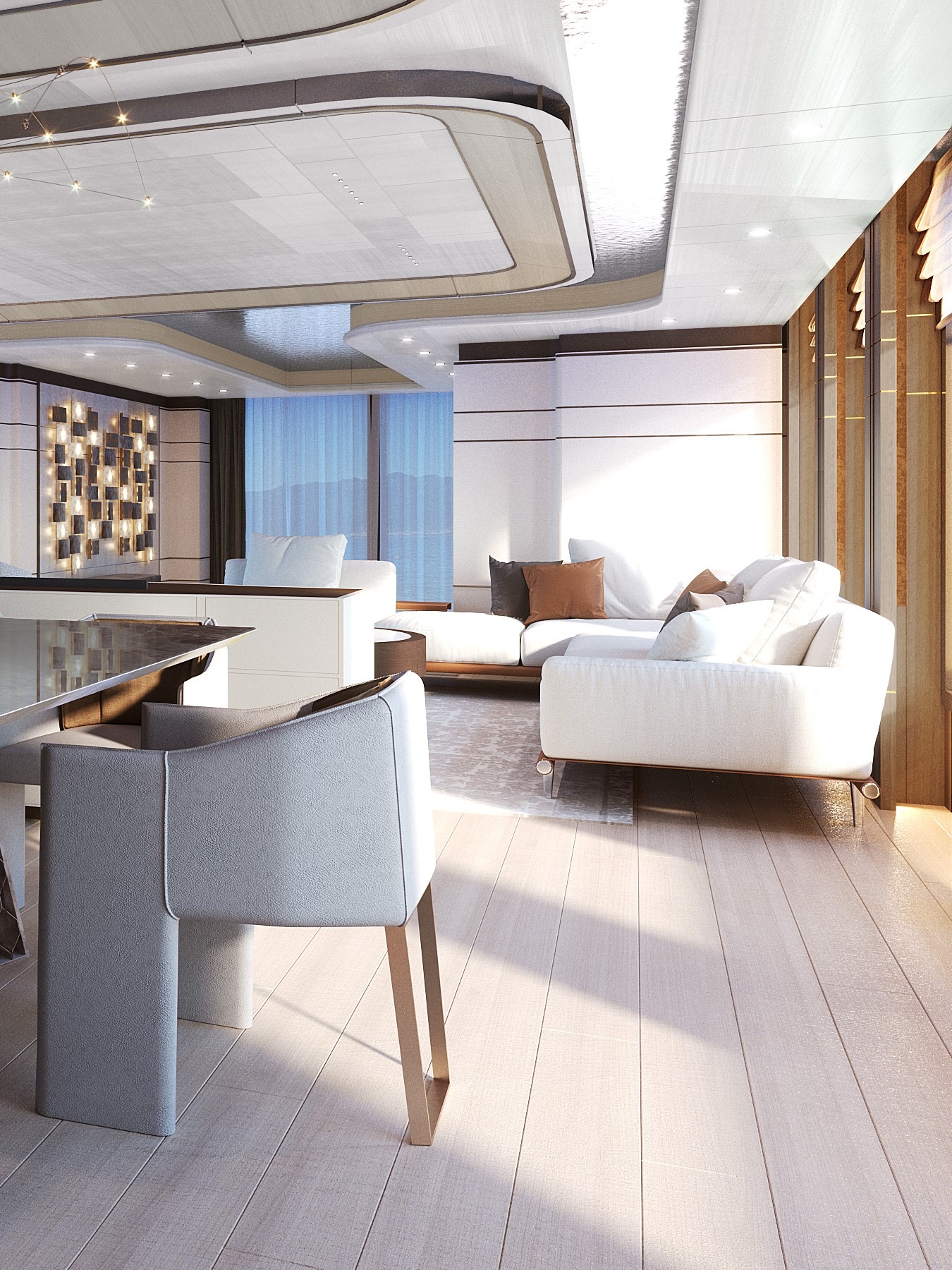
Level 3 — Full Refit
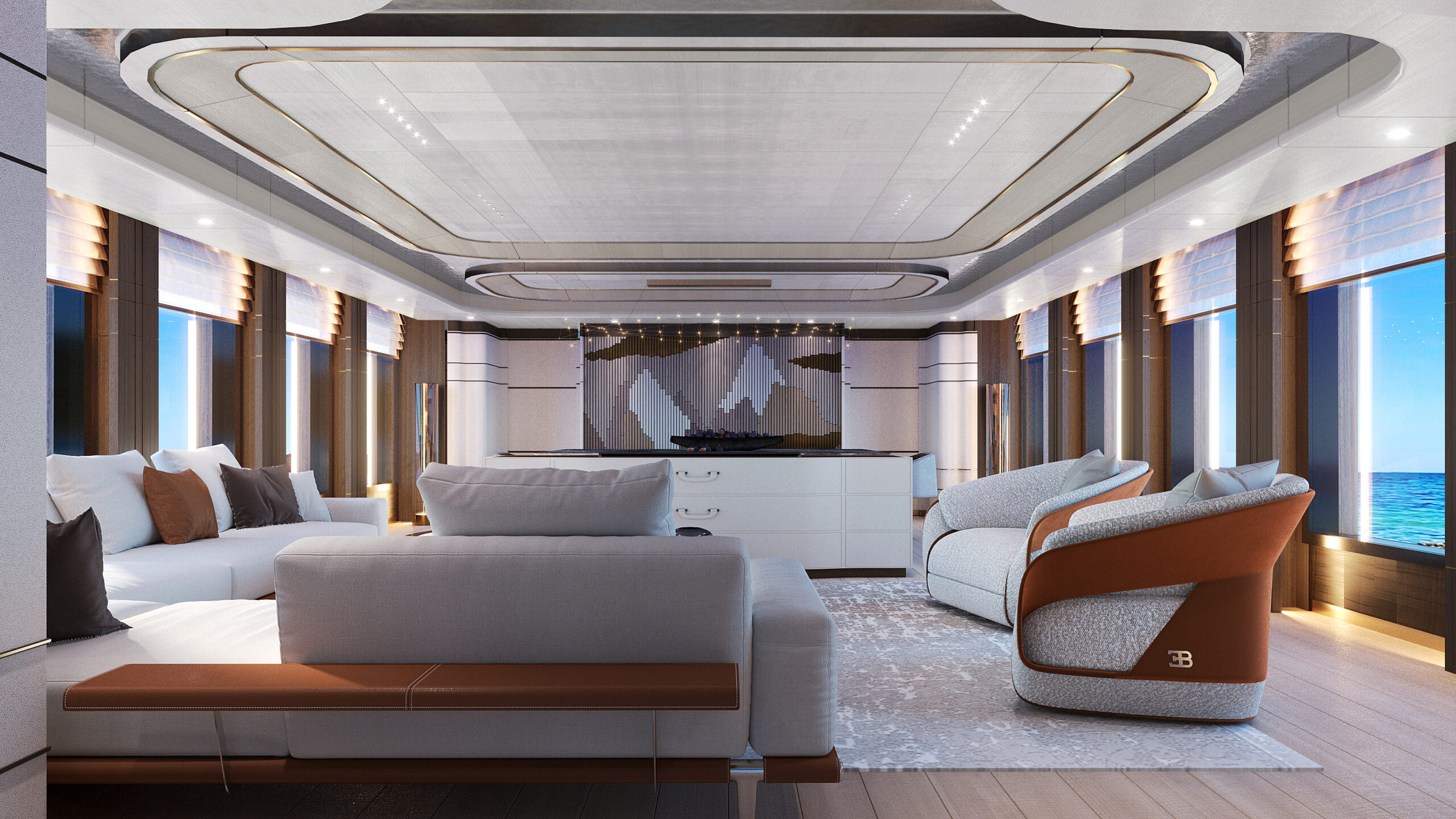
At the highest level, a full yacht refit becomes far more than a design project. It is a comprehensive transformation that allows owners to rethink not only how the yacht looks, but how it functions, how it is experienced, and how it will serve them for years to come.
At this level, design decisions become closely connected with engineering. Relocating a staircase may influence structural solutions, redesigning guest accommodation can require new ventilation routes, while introducing wellness facilities or beach club areas often involves substantial mechanical and electrical upgrades. This is why a superyacht refit is developed as one coordinated project rather than a series of independent improvements.
Unlike a soft or functional refit, this level of intervention often combines interior architecture, engineering upgrades, and major spatial reconfiguration into a single coordinated project. Layouts may be redesigned, guest accommodation reconfigured, owner’s areas expanded, wellness facilities introduced, or technical systems completely modernized to meet today’s standards.
A full refit is also an opportunity to prepare a yacht for a new chapter in its life. It may follow a change of ownership, support a transition from private use to charter operations, or simply reflect a completely different vision for life on board.
For many owners, a comprehensive yacht renovation also becomes an opportunity to future-proof the vessel. Rather than responding only to today’s needs, the project anticipates how expectations, technologies, and onboard lifestyles may evolve over the coming years.
Because every decision influences multiple disciplines, these projects require careful coordination between designers, naval architects, engineers, shipyards, and technical specialists. Material selections affect weight, new layouts influence engineering systems, and aesthetic decisions often have practical implications that extend far beyond the interior itself.
When approached holistically, a full refit creates far more than a renewed yacht. It creates a vessel that feels purposefully designed around the owner’s lifestyle rather than adapted to it.
Who Shapes a Yacht Refit
A successful yacht refit is never the result of a single discipline. It is a collaborative process that brings together specialists from different fields, each contributing knowledge that is essential to the final outcome.
Captains and crew understand how the yacht performs in everyday operation. Shipyards oversee construction and technical execution. Engineers ensure that every new solution integrates seamlessly with existing systems. Designers translate all of these requirements into spaces that are functional, coherent, and enjoyable to live in.
Their role extends well beyond aesthetics. Designers coordinate decisions across disciplines, ensuring that engineering, functionality, and the visual language of the project develop as one coherent vision instead of a collection of separate solutions.
The complexity of a refit lies in the fact that no decision exists in isolation. A seemingly simple change to the interior may influence structural elements, engineering routes, lighting layouts, ventilation systems, or future maintenance. Likewise, technical upgrades often create new opportunities for improving the overall spatial experience.
For this reason, the most successful refit projects begin with a shared vision rather than a collection of individual tasks. When every specialist works toward the same objective, technical performance and design quality reinforce one another instead of competing for priority.
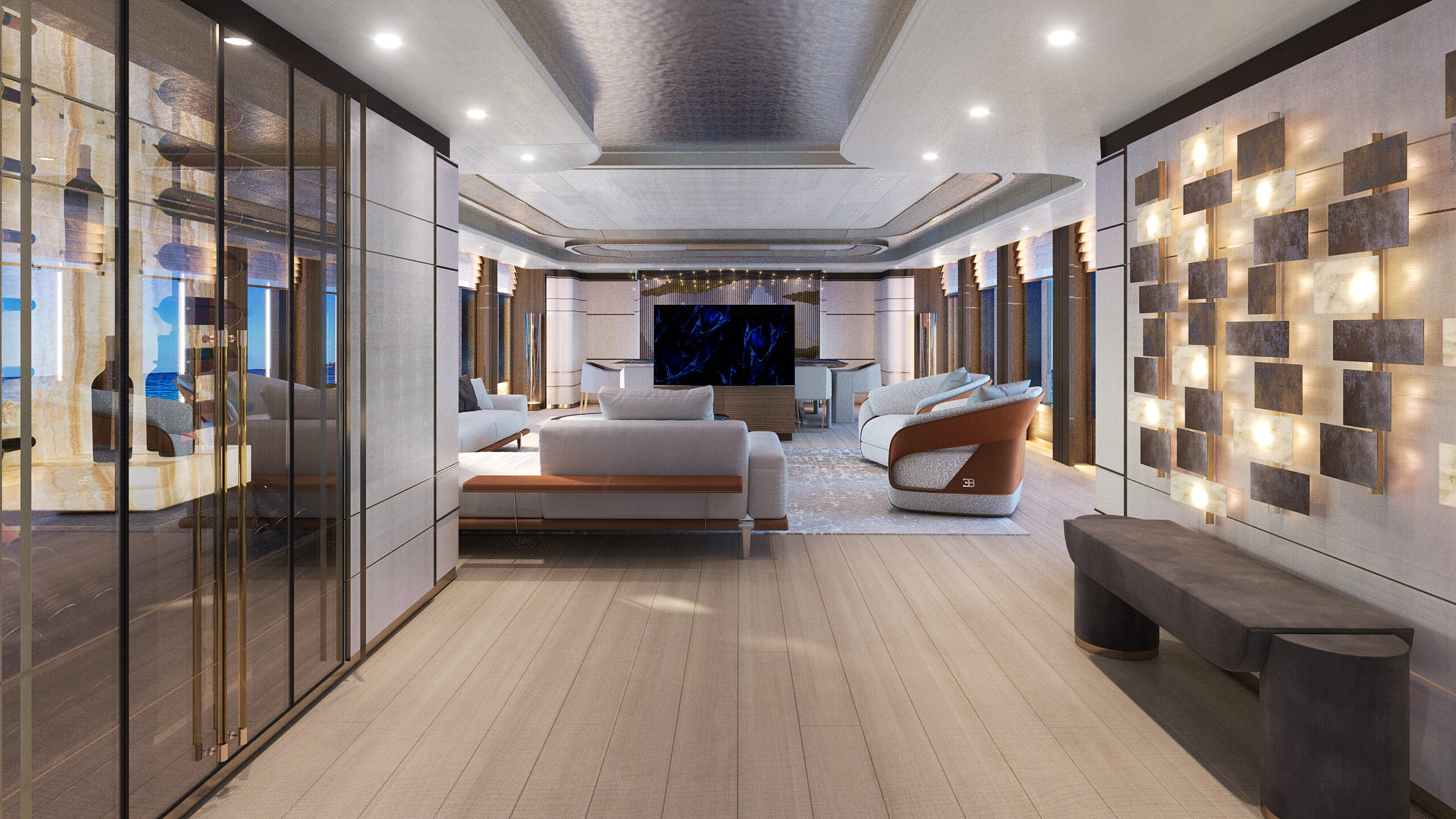
Choosing the Right Level of Yacht Refit
Selecting the right level of yacht refit is rarely about doing more. It is about understanding what will create the greatest value for the way the yacht is actually used.
Choosing the appropriate level of intervention is rarely about budget alone. The same yacht may benefit from a subtle interior refit, a functional reconfiguration, or a complete superyacht refit, depending entirely on how the owner intends to use the vessel in the years ahead.
In some cases, a carefully considered soft refit is enough to refresh the atmosphere and extend the relevance of an interior for many years. In others, improving functionality brings a far greater return than replacing finishes or introducing new materials. And sometimes a comprehensive transformation becomes the only logical step, allowing the yacht to support an entirely new way of living on board.
The most successful projects begin by identifying the real objective rather than the scale of the intervention. When the purpose is clearly defined, every subsequent decision becomes more deliberate, every investment more effective, and the final result far more cohesive.
Conclusion
Every yacht refit begins with a decision to improve. What defines its success is not the scale of the project, but how precisely each change responds to the way the yacht is lived in.
A carefully considered soft refit can completely refresh the onboard atmosphere. A functional refit can transform everyday comfort without altering the yacht’s identity. And a full refit offers the opportunity to reimagine every aspect of life on board — from spatial planning and engineering to aesthetics and technology.
There is no universal solution that suits every yacht or every owner. The right approach always depends on the yacht itself, the owner’s ambitions, and the experiences they want to create in the years ahead.
Choosing the appropriate level of intervention is rarely about budget alone. The same yacht may benefit from a subtle interior refit, a functional reconfiguration, or a complete superyacht refit, depending entirely on how the owner intends to use the vessel in the years ahead.
OLT DESIGN Insight
A successful yacht refit is never about changing everything — it’s about changing the right things. The best projects preserve the soul of the yacht while reimagining its potential, ensuring every intervention feels effortless and perfectly aligned with your future on board. Meaningful evolution over unnecessary scale: that is the hallmark of our work.