Bedrooms in Europe and the United States: how design approaches differ
Bedrooms are usually the most private rooms in a home, but their design often reveals a lot about what people value most in comfort and daily life. The way a bedroom is planned, furnished, and used reflects cultural habits, attitudes toward rest, and even how people structure their daily lives. For clients with international experience, the difference between European bedrooms and American master bedrooms is immediately noticeable. It goes far beyond style. It is about space, hierarchy, function, and expectations.
In the United States, the bedroom has gradually evolved into a private living suite. In much of Europe, it remains a more restrained and intimate space, primarily dedicated to sleep and recovery. Neither approach is inherently better, but they are fundamentally different, and understanding these differences is essential when designing luxury homes for global clients.

The American master bedroom: a private living zone
One of the most noticeable differences between European and American bedrooms is scale. In the United States, the master bedroom is rarely treated as a single-function space. Especially in luxury homes, it becomes a private living zone within the house.
American master bedrooms are designed to accommodate more than sleep. Seating areas are common, whether in the form of armchairs, benches, or small lounge corners. Access to terraces or private outdoor spaces is often integrated, reinforcing the idea of the bedroom as a place to unwind gradually rather than simply retreat at night.
This spatial generosity reflects a broader American approach to comfort. The bedroom is expected to support daily routines, quiet mornings, and slow evenings without requiring movement to shared living areas. As a result, the master bedroom often feels closer to a private suite than a traditional sleeping room.
The bedroom as a daily living space
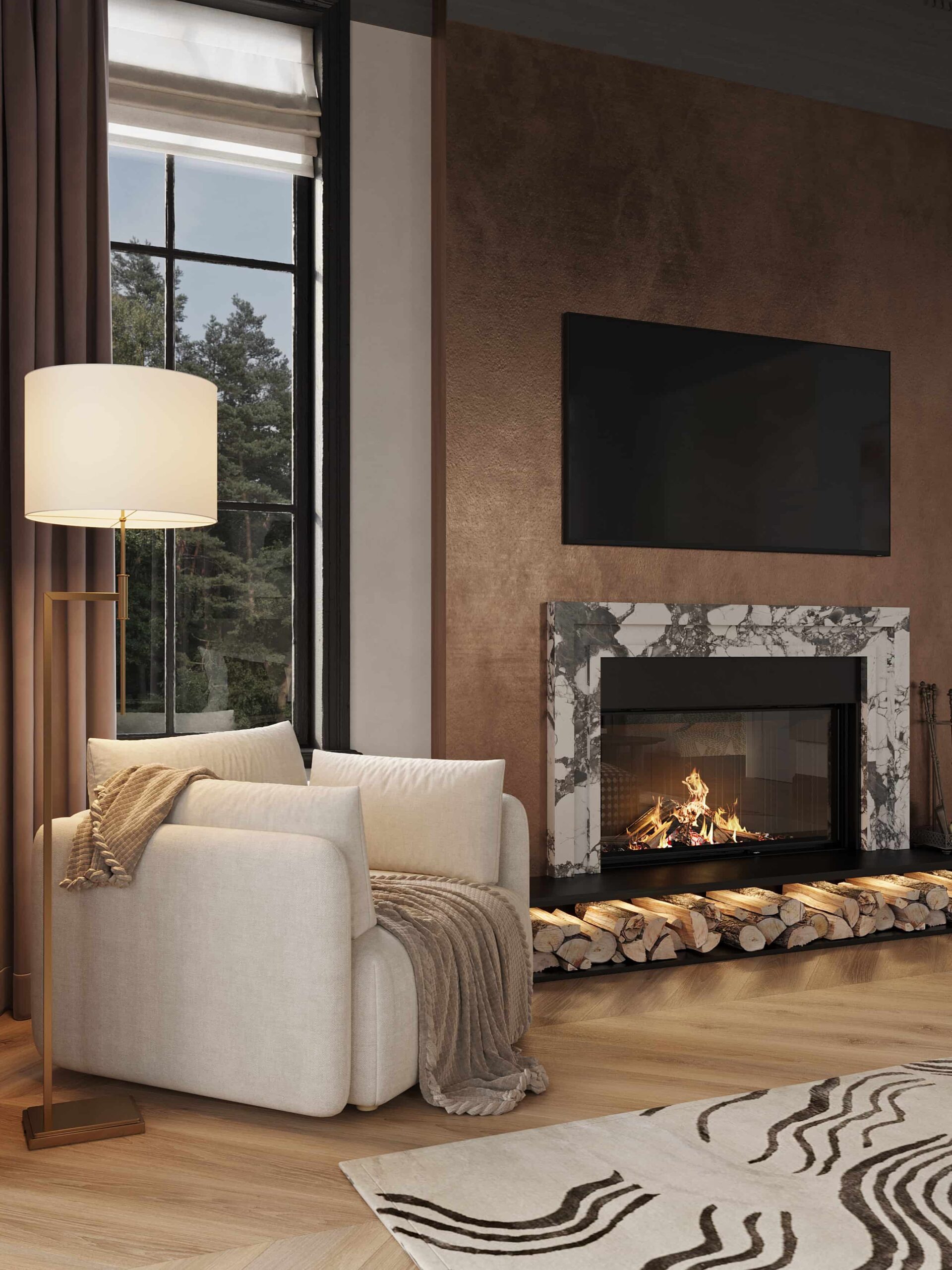
In American culture, the bedroom is not strictly reserved for nighttime use. Morning routines, evening relaxation, and even daytime activities often take place there. As a result, master bedrooms in the US are designed to support extended time spent in the space, multiple activities, visual and acoustic comfort throughout the day.
Furniture layouts often include armchairs, ottomans, benches, or even small sofas. Lighting is layered to accommodate reading, ambient use, and task lighting. The room is designed to feel complete on its own. This multifunctional approach is one of the defining characteristics of the luxury bedroom USA concept.
Walk-in closets as a standard feature
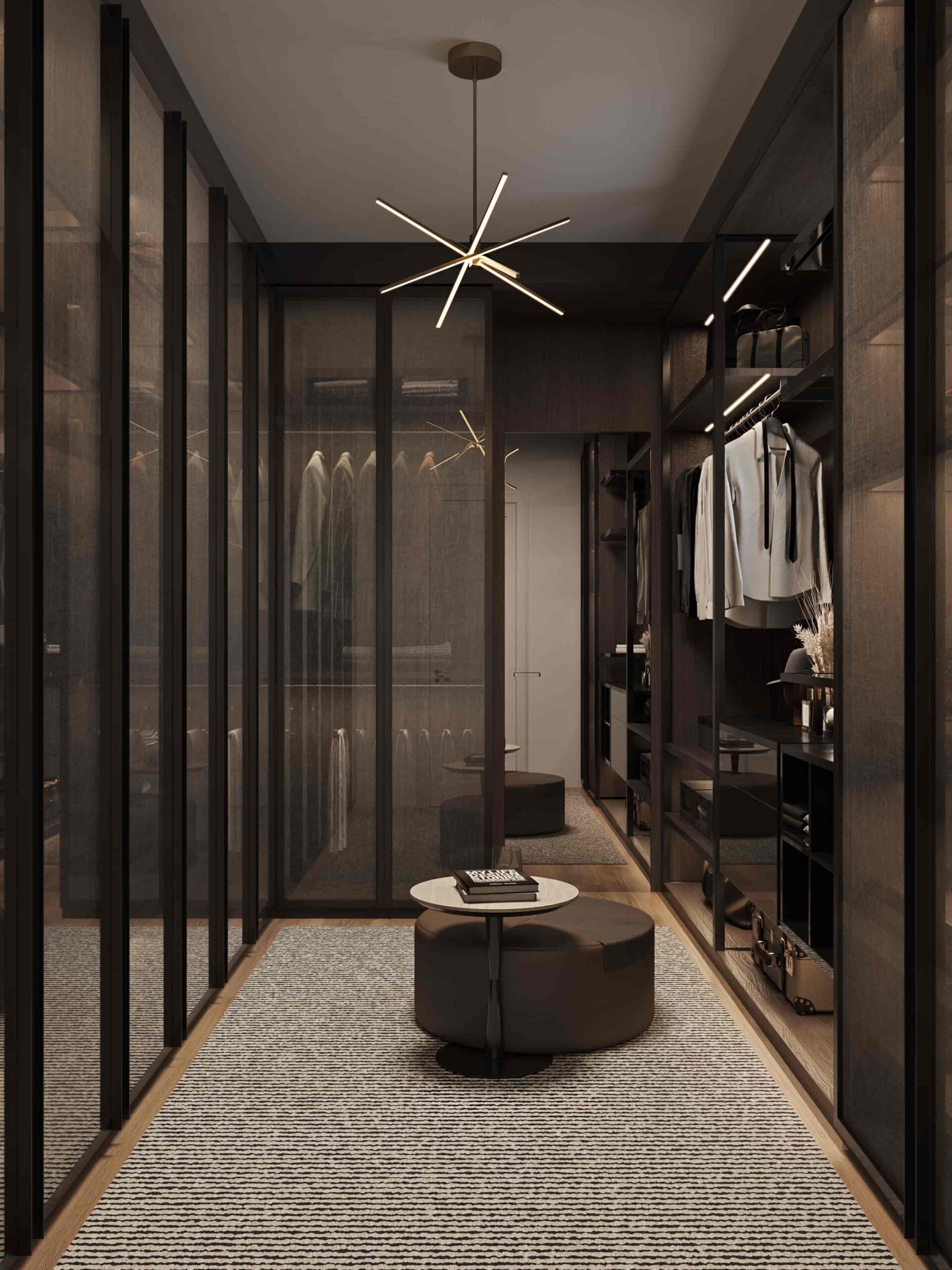
Another major distinction is storage. In the US, walk-in closets are not considered an upgrade. They are a standard expectation in master bedrooms. In luxury homes, they often become rooms in their own right. American walk-in closets typically feature generous circulation space, custom cabinetry and lighting, seating areas or islands, and separate sections for different users. In many cases, the walk-in closet acts as a buffer zone between bedroom and bathroom, reinforcing the idea of the master suite as a self-contained environment.
En-suite bathrooms as an extension of the bedroom
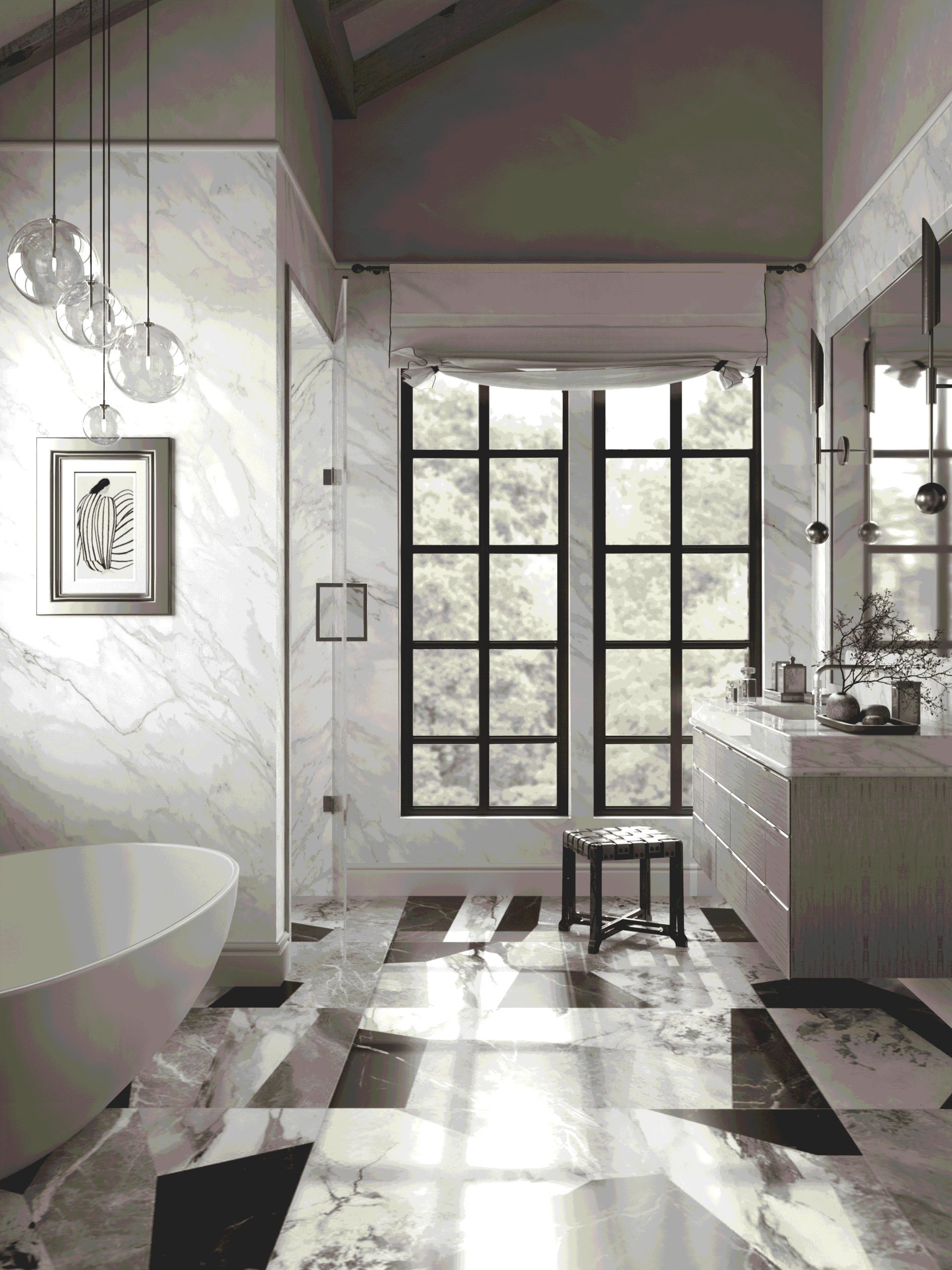
In American homes, the master bathroom is considered an integral part of the bedroom experience rather than a separate utility space. A typical US master suite includes:
- a spacious en-suite bathroom
- double vanities
- large walk-in showers
- freestanding tubs
- private toilet rooms
The transition between the bedroom, dressing area, and bathroom is fluid and intuitive. Materials, lighting, and finishes are often coordinated to create a unified atmosphere. This approach emphasizes comfort, privacy, and daily convenience. These values strongly influence American residential design.
European bedrooms: restraint, function, and intimacy
In European homes, the bedroom is approached with a different mindset. Rather than being designed as a multi-purpose private suite, it is treated as a clearly defined, intimate space with a specific role. This philosophy influences everything from room size and layout to storage solutions and the relationship between the bedroom and the bathroom, resulting in spaces that feel calm, intentional, and quietly refined.
Bedrooms as spaces for rest
In much of Europe, the bedroom is treated very differently. Rather than functioning as a private living area, the bedroom is primarily a space for sleep and recovery. Activities such as watching television, working, or socializing are usually kept outside the bedroom. European bedroom design prioritizes calmness with visual simplicity, minimal distraction, and strong separation between day and night zones. As a result, European bedrooms often feel quieter and more focused, even when designed at a luxury level.
Compact proportions and intentional layouts
European bedrooms are typically smaller than American master bedrooms, especially in urban contexts. However, this compactness is not seen as a limitation, but as an intentional design choice. Space is carefully planned to support efficient circulation, clear furniture placement, and visual balance. Beds are often positioned centrally with minimal additional furniture. The emphasis is on proportion rather than abundance. This approach reflects a European tradition of architectural discipline and spatial efficiency.
Storage and wardrobe design in Europe
Storage solutions in European bedrooms are generally more integrated and discreet. Instead of walk-in closets, designers often rely on built-in wardrobes flush with walls, custom cabinetry that blends into the architecture, and concealed storage systems. The goal is to maintain visual calm within the bedroom itself. Clothing and accessories are present, but not visually dominant. In high-end European homes, dressing rooms may exist, but they are often separated from the bedroom or treated as secondary spaces.
Bathroom separation and privacy
While en-suite bathrooms are common in European luxury homes, they are usually more compact and more clearly separated from the sleeping area. Design solutions often include:
- sliding or pocket doors
- frosted or textured glass partitions
- short transitional corridors
This separation reflects a cultural preference for zoning and privacy. The bedroom remains a protected, quiet space, distinct from daily routines.

Bedroom design difference in the USA and Europe: cultural foundations
American bedroom design is shaped by values of comfort, personal freedom, and spatial generosity. Key characteristics include large room sizes, multifunctional layouts, emphasis on convenience, and strong integration of storage and bathrooms. The bedroom is seen as a personal domain. A place where the individual can retreat without compromising comfort.
On the other hand, European bedroom design reflects values of restraint, clarity, and intentional living. Common traits include smaller, more focused spaces with minimal furniture, architectural simplicity, and emphasis on quality over quantity. Luxury is expressed through materials, craftsmanship, and proportion rather than scale.
Style and aesthetic differences
American master bedrooms often lean toward soft, comfort-driven luxury. Typical elements include upholstered beds with headboards, layered bedding and textiles, neutral palettes with warm accents, and plush rugs or wall-to-wall carpeting. The overall atmosphere is relaxed and inviting. Furniture is often larger in scale, reinforcing the sense of abundance.
European bedrooms are generally more restrained and architectural in appearance. Design focuses on clean lines with simple forms, natural materials such as wood and linen, matte finishes, and limited decorative elements. Furniture tends to be lighter, both visually and physically. The space feels intentional rather than indulgent.
Materials and finishes: different expressions of luxury
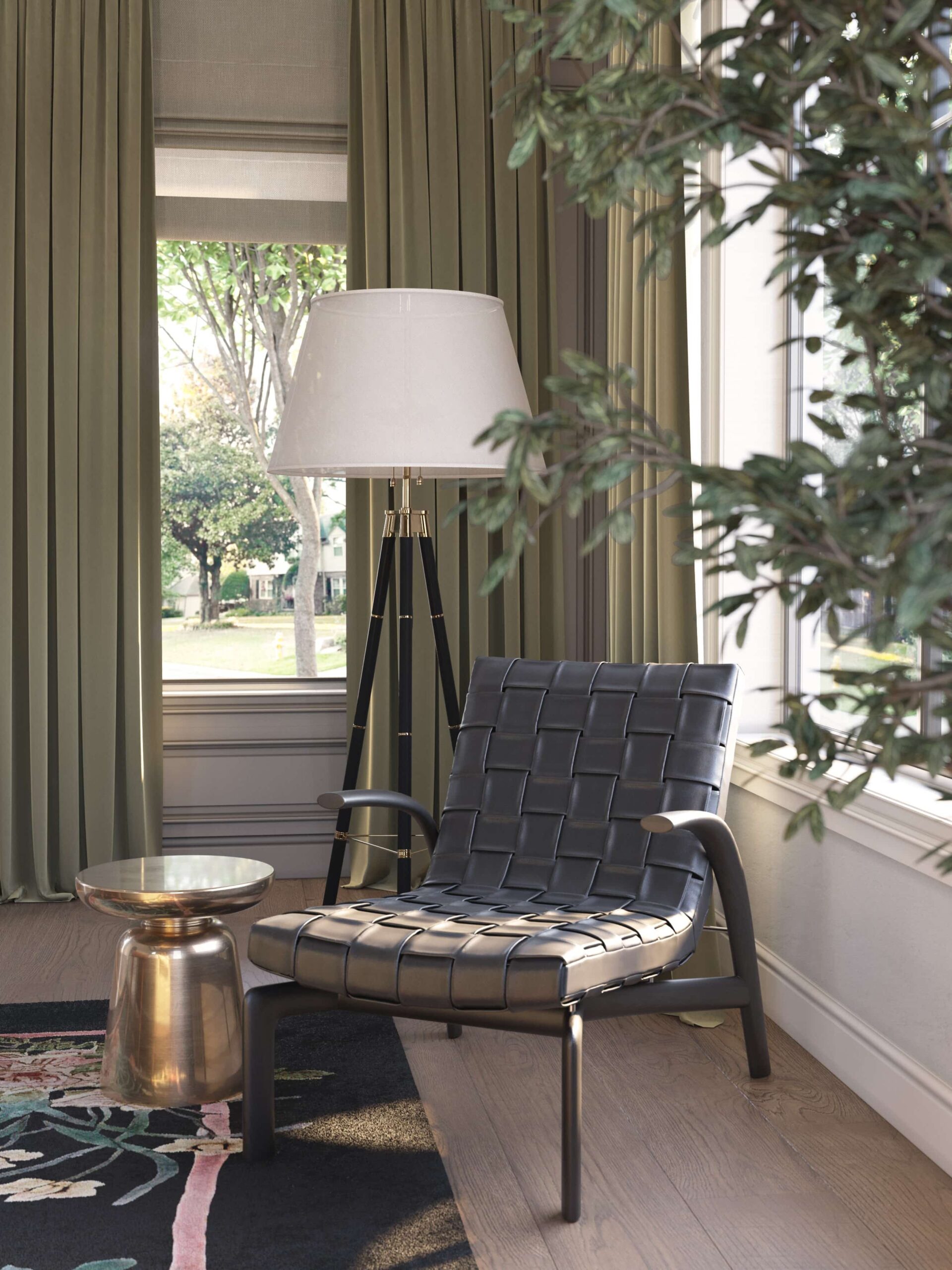
In the United States, bedroom materials are chosen primarily to enhance comfort. Surfaces are often soft to the touch, with upholstered beds and headboards setting the tone for the space. Thick curtains help create a sense of enclosure and acoustic calm, while layered lighting adds warmth and flexibility throughout the day and evening. Wood finishes tend to lean toward warmer tones, reinforcing an atmosphere that feels inviting and relaxed. Altogether, American bedrooms are designed to feel cushioned, comfortable, and easy to inhabit.
European bedrooms express luxury in a more restrained and tactile way. Instead of softness, the focus is often on authenticity and material honesty. Natural wood, stone, and plaster are used for their texture and visual depth rather than for decoration. Textiles are breathable and understated, allowing materials to speak for themselves. Surface treatments are minimal, with matte finishes and subtle details replacing layers of upholstery or heavy drapery. The result is a space that feels calm, grounded, and intentionally composed.
Both approaches place a strong emphasis on quality, but they communicate it differently. American luxury tends to prioritize physical comfort and visual warmth, while European luxury values material integrity and quiet refinement. Each reflects a distinct idea of what it means for a bedroom to feel truly luxurious.
Lighting and atmosphere
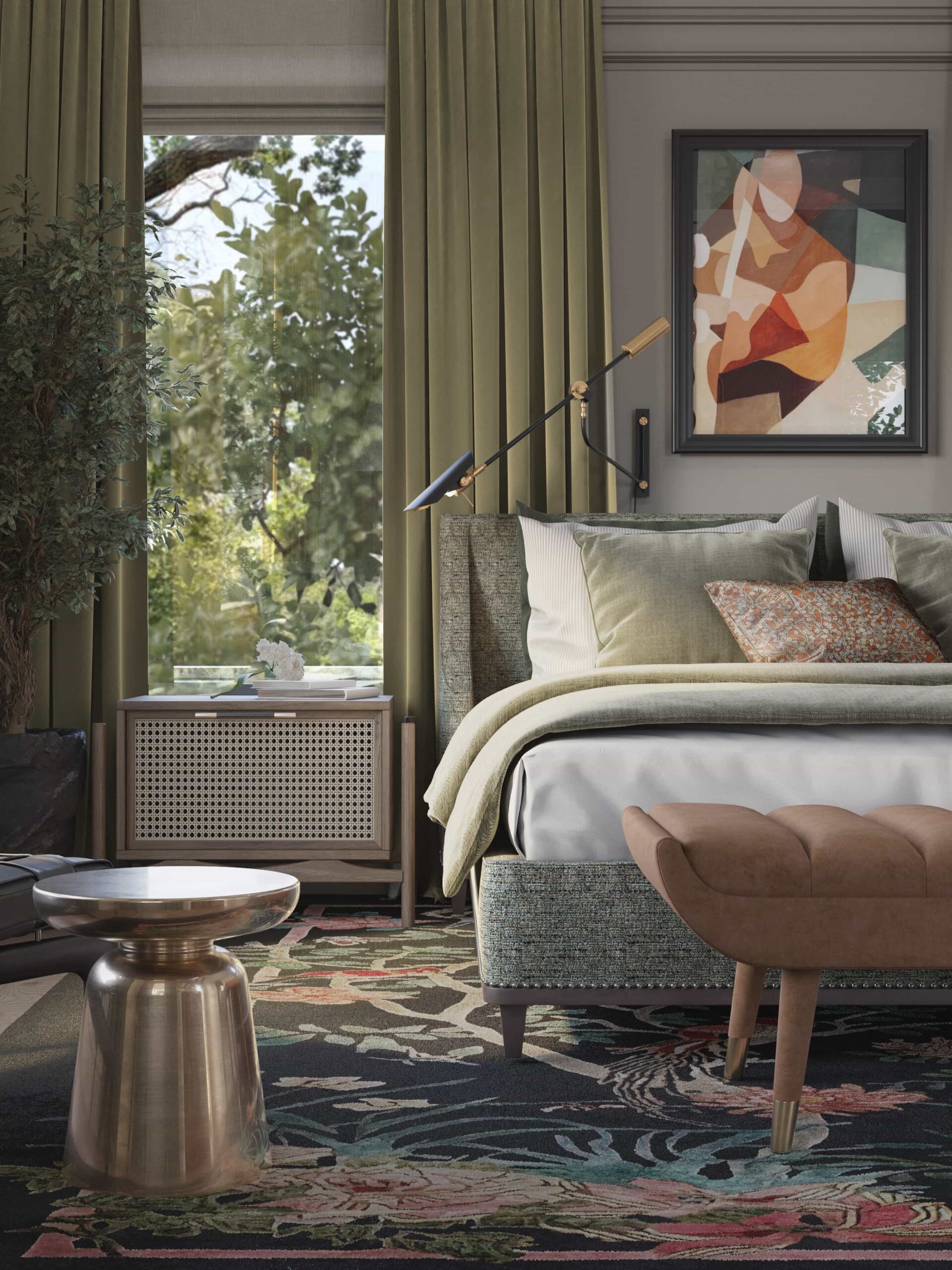
Lighting plays a crucial role in shaping the bedroom experience. American bedrooms often feature layered lighting systems designed for versatility — ambient, task, and accent lighting coexist to support different activities. European bedrooms usually favor softer, more indirect lighting. Wall-mounted fixtures, concealed LED strips, and minimal ceiling lights create a calmer environment. These choices reinforce the different philosophies behind each approach.
Hybrid bedrooms for international clients
For clients with international lifestyles, the most successful bedroom designs often blend American and European principles. Common hybrid solutions include:
- American-style suites with European restraint
- walk-in closets paired with visually calm bedrooms
- en-suite bathrooms with clearer zoning
- multifunctionality without visual overload
This approach offers the comfort and convenience of the American master bedroom while preserving the calm sophistication of European design. Bedroom concepts for international clients are developed around lifestyle rather than geography. The question is never “American or European,” but “how will this space be lived in?”
Bedrooms in luxury real estate and investment contexts
For developers and investors, understanding bedroom design differences is critical. In the US market, buyers expect large master suites with walk-in closets and en-suite bathrooms. In European markets, buyers may prioritize architectural quality, location, and efficient layouts over bedroom size. Designing for international buyers often means finding a balance in creating bedrooms that meet American expectations without alienating European sensibilities.
The bedroom design difference between the USA and Europe is not about trends. It reflects deeper cultural attitudes toward rest, privacy, and luxury. American master bedrooms prioritize space, comfort, and functionality. European bedrooms emphasize calm, clarity, and architectural discipline. Understanding these differences allows designers and homeowners to make informed choices and to create bedrooms that truly support the way people live.