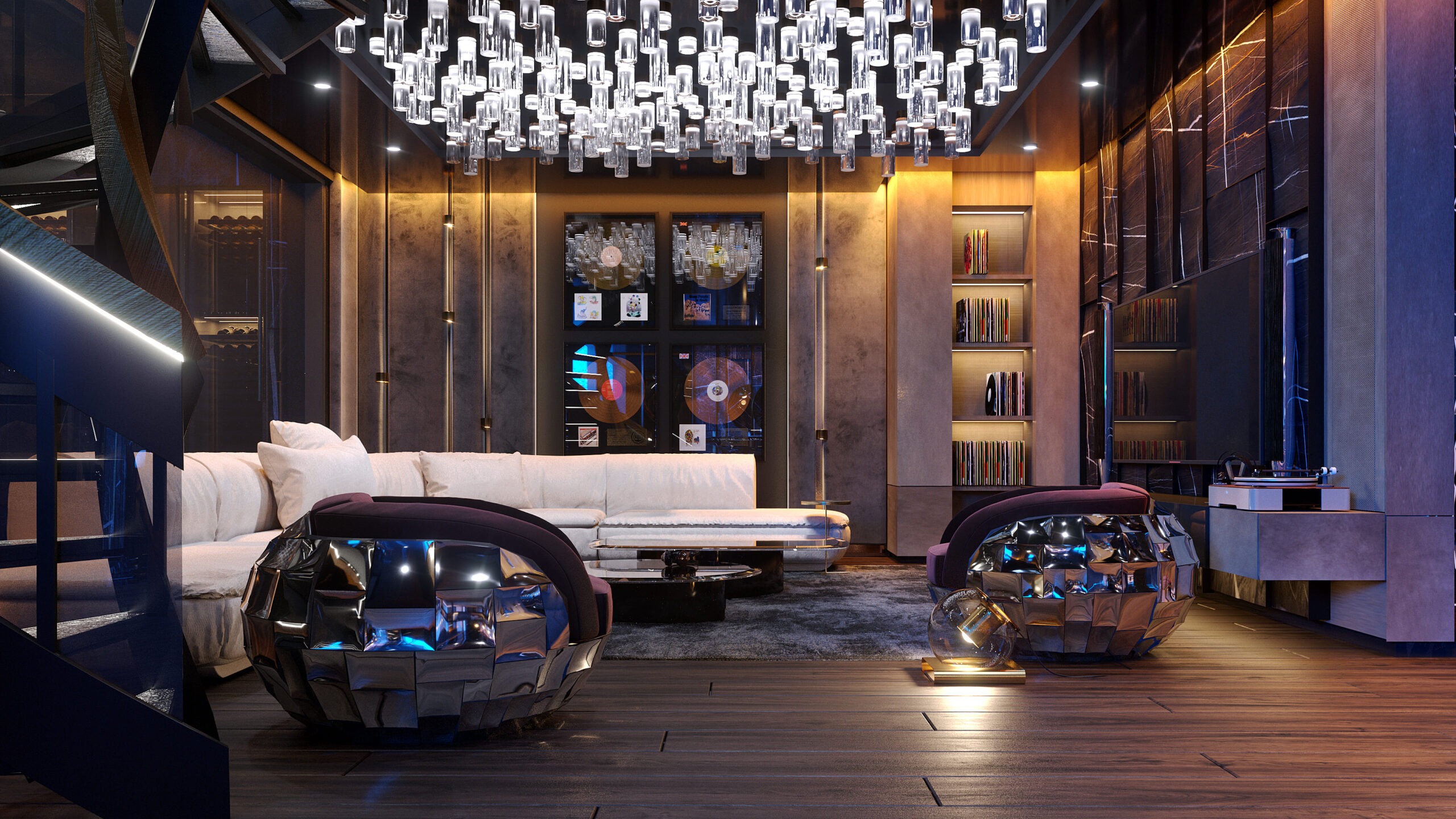
For decades, basements remained one of the most overlooked spaces in residential architecture. They were typically viewed as technical areas intended for seasonal storage, engineering equipment, or anything homeowners preferred to keep out of sight. Underground levels were rarely considered places for everyday living and almost never played a meaningful role in the overall architectural concept of a residence.
Today, that perception has changed dramatically. Luxury basement design has become one of the defining directions in contemporary residential architecture, transforming underground levels into highly functional living environments. In modern luxury homes, the basement is increasingly becoming one of the most valuable parts of the property. The reason goes far beyond gaining additional square footage. Architects and homeowners have started to view underground levels differently — as spaces that make it possible to accommodate lifestyle experiences that often have no natural place on the main floors of a residence.
Modern basement design is no longer centered around storage. Instead, luxury basement design focuses on creating immersive environments that seamlessly combine comfort, privacy, entertainment, and long-term property value. Instead, it focuses on creating new opportunities for relaxation, privacy, wellness, entertainment, and even collecting. For many homeowners, the underground level is gradually becoming the most personalized part of the house — a space that reflects their interests, routines, and way of life.
Why Basements Have Become One of the Defining Trends in Modern Residential Architecture
The growing popularity of underground spaces is closely tied to the evolution of the luxury real estate market. In many parts of the world, land continues to become more expensive, while zoning regulations often limit how much a home can expand above ground. Architects are therefore challenged to find new ways of increasing functionality without altering the building’s appearance or sacrificing valuable outdoor space.
As a result, luxury basements are increasingly viewed not as secondary spaces but as essential components of high-end residential architecture, offering opportunities that traditional above-ground layouts simply cannot provide.
At the same time, homeowners’ expectations have evolved. A modern residence is no longer limited to bedrooms, a kitchen, and a living room. Today’s homes are expected to support a much wider range of activities: work, fitness, relaxation, hobbies, entertaining guests, wellness routines, and the storage of personal collections. All of this requires additional space.
An underground level provides that opportunity without compromising architecture. Unlike above-ground floors, it allows large functional zones to be created without changing the silhouette of the house or reducing the size of the garden, courtyard, or outdoor living areas. For homeowners, this means far more than additional square footage — it means greater flexibility in shaping everyday life.
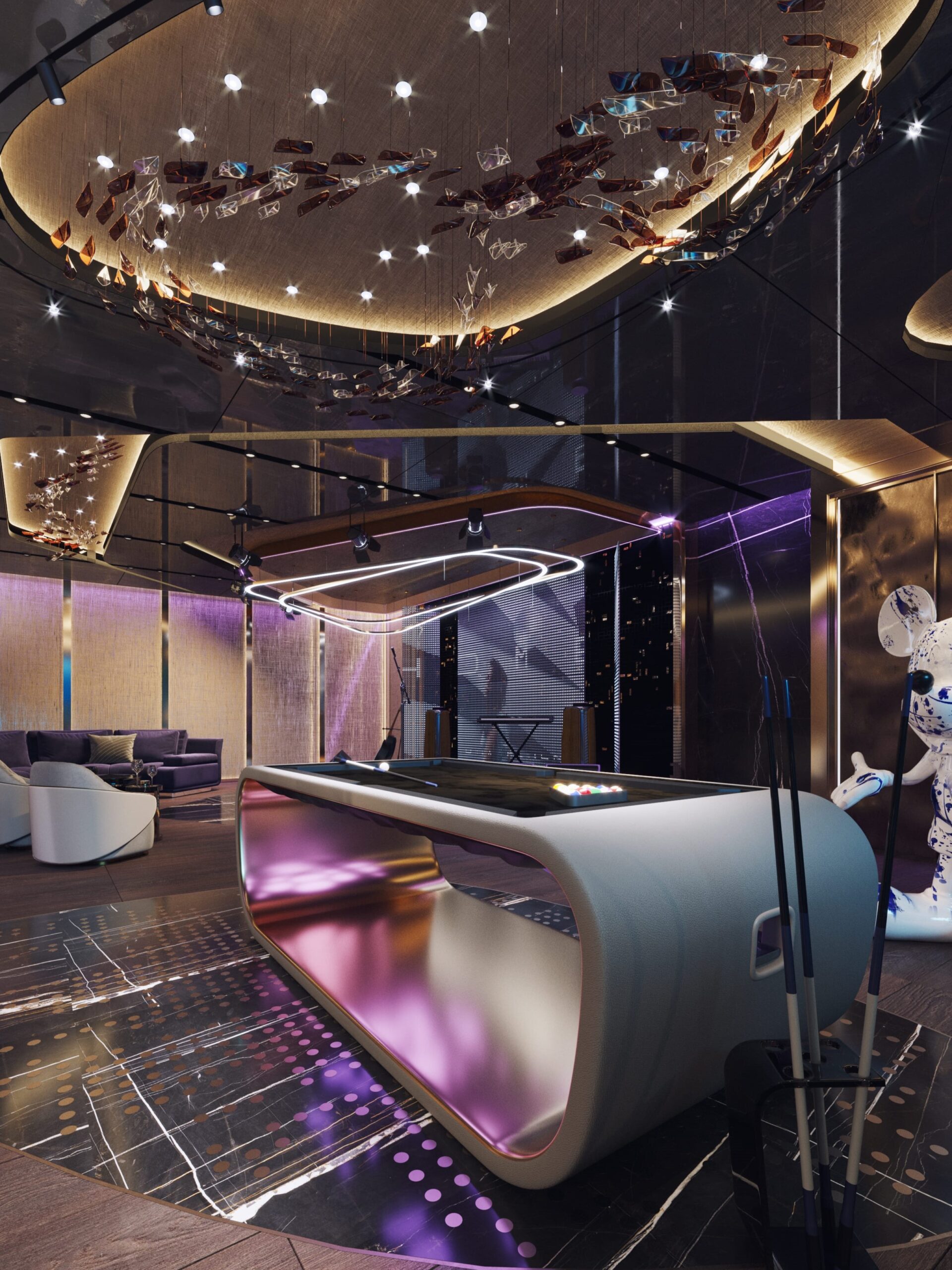
Technology has also played a critical role. These innovations have fundamentally changed what homeowners expect from a finished basement, allowing underground spaces to achieve the same quality standards as primary living areas. High-performance ventilation systems, climate control, sound insulation, professional waterproofing, and sophisticated lighting solutions now make it possible to create underground environments that offer the same level of comfort as primary living spaces above ground. Many of the limitations once associated with basements have effectively disappeared through thoughtful design and engineering.
A Space That Doesn’t Have to Follow the Rules of the Rest of the House
Modern luxury architecture reflects an important psychological trend: external restraint versus internal absolute freedom. From the outside, a villa may project a calm, understated form of luxury, seamlessly integrated into its surroundings. Yet descending to the lower level often reveals an entirely different reality.
This freedom explains why luxury basement projects have become increasingly ambitious, often incorporating experiences that would be difficult to integrate elsewhere within the home
Today, the basements of high-end residences are increasingly becoming the epicenter of private entertainment, featuring bespoke bars, karaoke rooms, tasting lounges, and immersive social spaces. Above ground, the atmosphere may revolve around family life and everyday routines. Below ground, it becomes a space where owners can express a more personal, emotional, and experiential side of their lifestyle.
Living rooms are typically designed to establish the overall character of the interior. Kitchens serve practical daily functions. Bedrooms prioritize comfort and rest. Each of these spaces follows its own set of expectations. The basement operates differently. Physically separated from the primary living zones, it offers far greater freedom for experimentation with function, atmosphere, and design. That is precisely why some of the most compelling residential experiences today are being created underground.

How the Role of the Basement Has Changed Over the Past Two Decades
Not long ago, most basements served purely supporting functions. They housed storage rooms, laundry areas, technical spaces, and utility functions. The space was used, but rarely considered an essential part of the living experience.
Today, the situation is entirely different. Many homeowners now approach a basement remodel as an opportunity to create an entirely new lifestyle zone rather than simply improve an existing utility space. In many contemporary homes, the underground level has become the location for the most individualized functions within the residence — spaces that reflect the passions, interests, and habits of the homeowner.
The most common basement programs now include:
- Private cinemas and entertainment rooms
- Wellness centers and home spas
- Wine cellars and tasting rooms
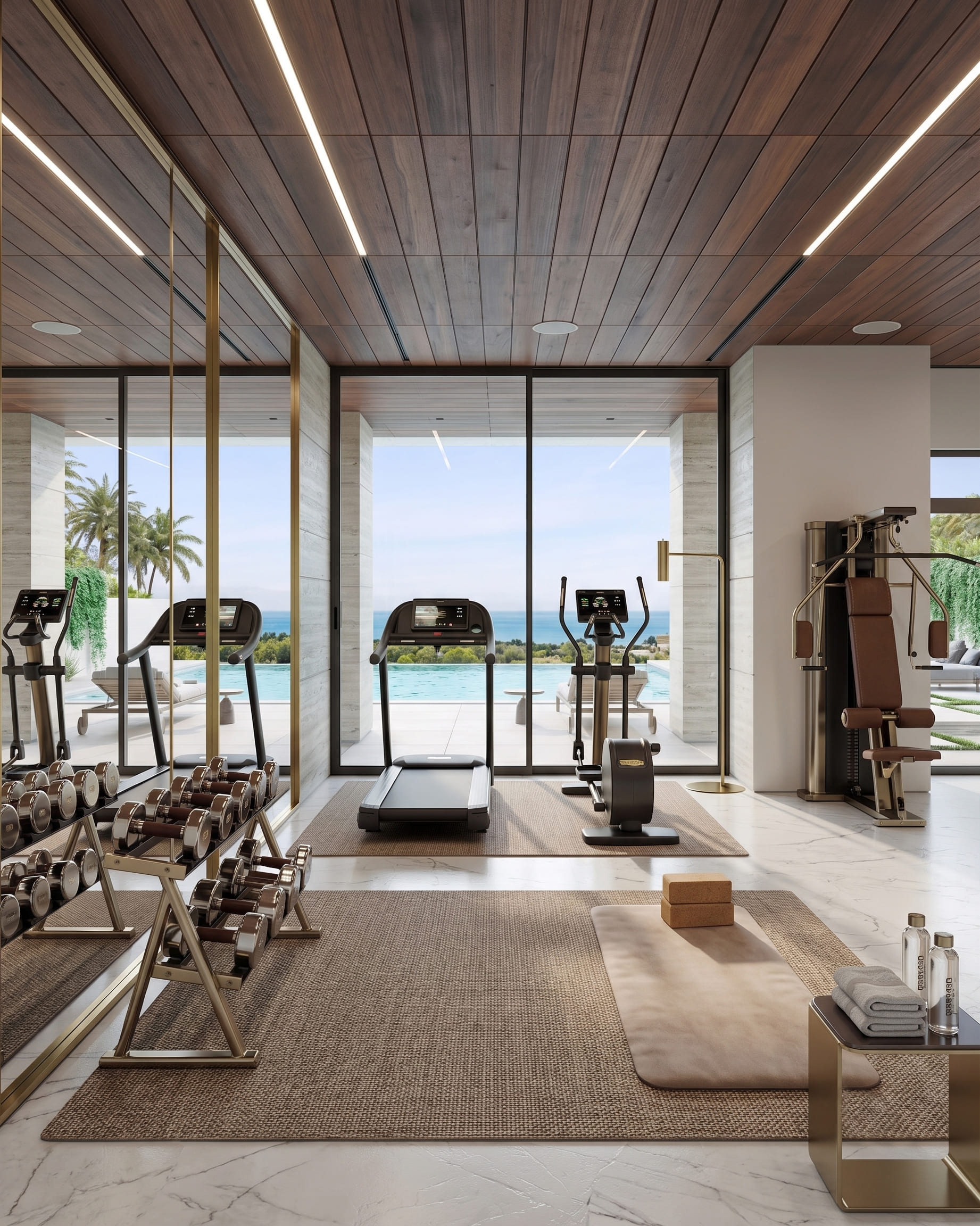
- Home gyms
- Music studios
- Private club spaces and entertainment lounges
- Gaming rooms
- Family lounges
- Hobby and collection spaces
- Car galleries and collector garages
However, the transformation goes beyond the list of functions itself. The real shift is that basements are no longer spaces used only when necessary. Increasingly, they are becoming places where homeowners spend a significant portion of their time.
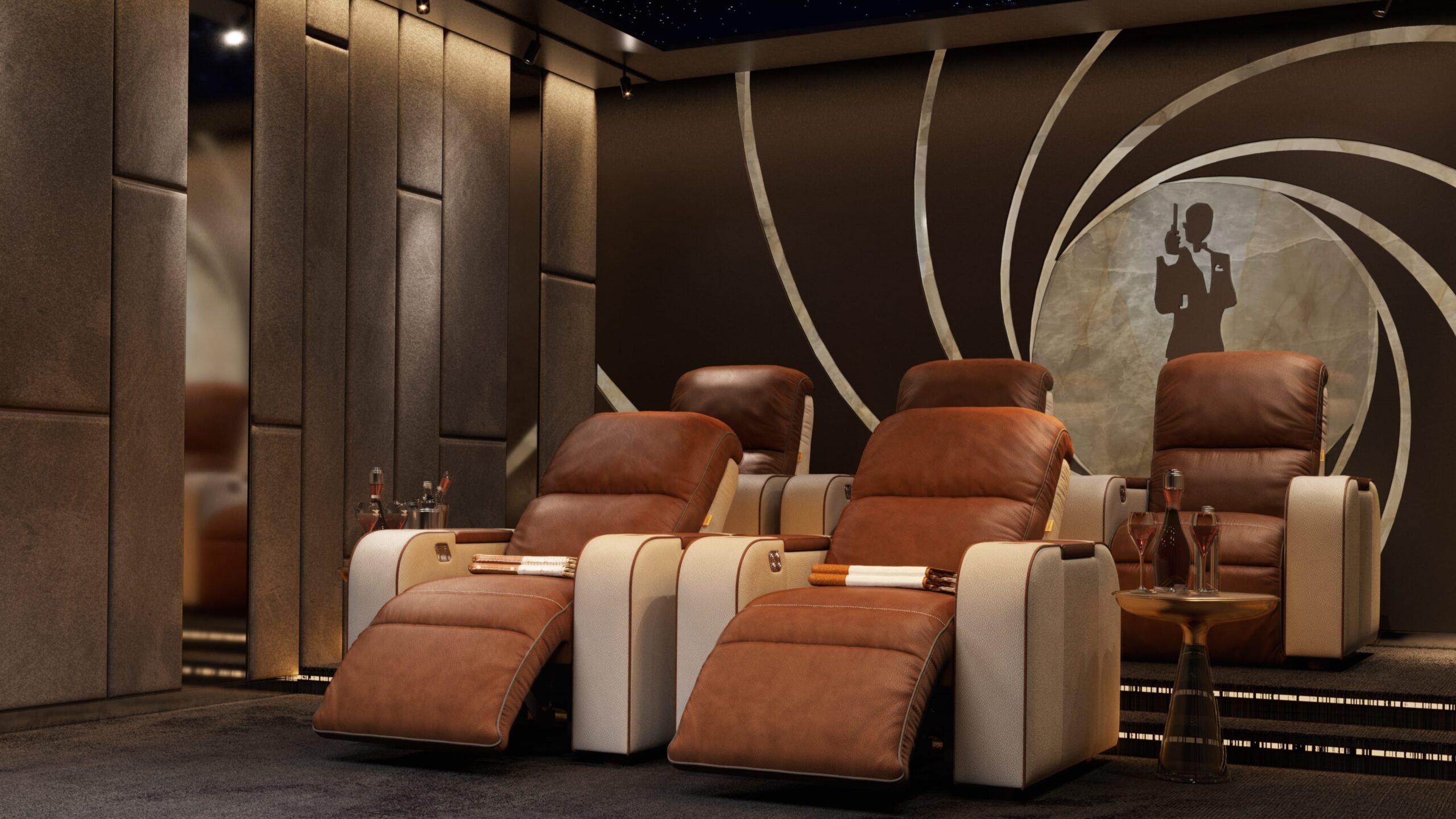
Interestingly, many of these functions naturally perform better underground. Home cinemas benefit from the absence of daylight. Wellness spaces gain an additional level of privacy. Wine rooms are easier to maintain at stable temperatures. Entertainment areas can operate independently from the rest of the house without disturbing other family members.
Safety: The Basement as a Protected Living Space
While entertainment and lifestyle functions often receive the most attention, security has become an equally important consideration in contemporary residential design.
Recent years have highlighted the importance of resilience, self-sufficiency, and preparedness in private homes. As a result, many homeowners now view basement levels not only as spaces for leisure and recreation, but also as valuable components of a long-term security strategy.
A thoughtfully designed underground level can provide an additional layer of protection through:
- reinforced structural systems;
- backup engineering infrastructure;
- independent power and utility solutions;
- dedicated safe rooms;
- emergency living areas.
The objective, however, is not to create a bunker-like environment. The most successful projects integrate security discreetly into a comfortable and fully functional living space. Protection becomes part of the architecture rather than a visible feature that dominates it.
In this sense, a secure basement is increasingly viewed as a long-term investment in peace of mind rather than an optional addition to a residence.
More Than Additional Space: The Basement as a Real Estate Investment
The value of a modern basement extends far beyond its square footage.
As luxury homes become increasingly complex, underground levels often contribute significantly to the overall quality and market appeal of a property. A well-designed basement allows homeowners to add functions that would otherwise require substantial expansion above ground, preserving both architectural proportions and valuable outdoor space.
From an investment perspective, luxury basement design can significantly increase both the functionality and long-term market appeal of premium residential properties.
For future buyers, these spaces often represent features that are difficult or expensive to add later. Professional wellness facilities, private cinemas, tasting rooms, collector garages, and dedicated entertainment areas can significantly enhance a property’s desirability.
The most successful projects treat the basement as an integrated part of the home from the very beginning rather than an afterthought. When architecture, engineering, and interior design are planned together, underground spaces become assets that continue to add value throughout the life of the property.
What Stands Behind the Comfort of Modern Underground Spaces
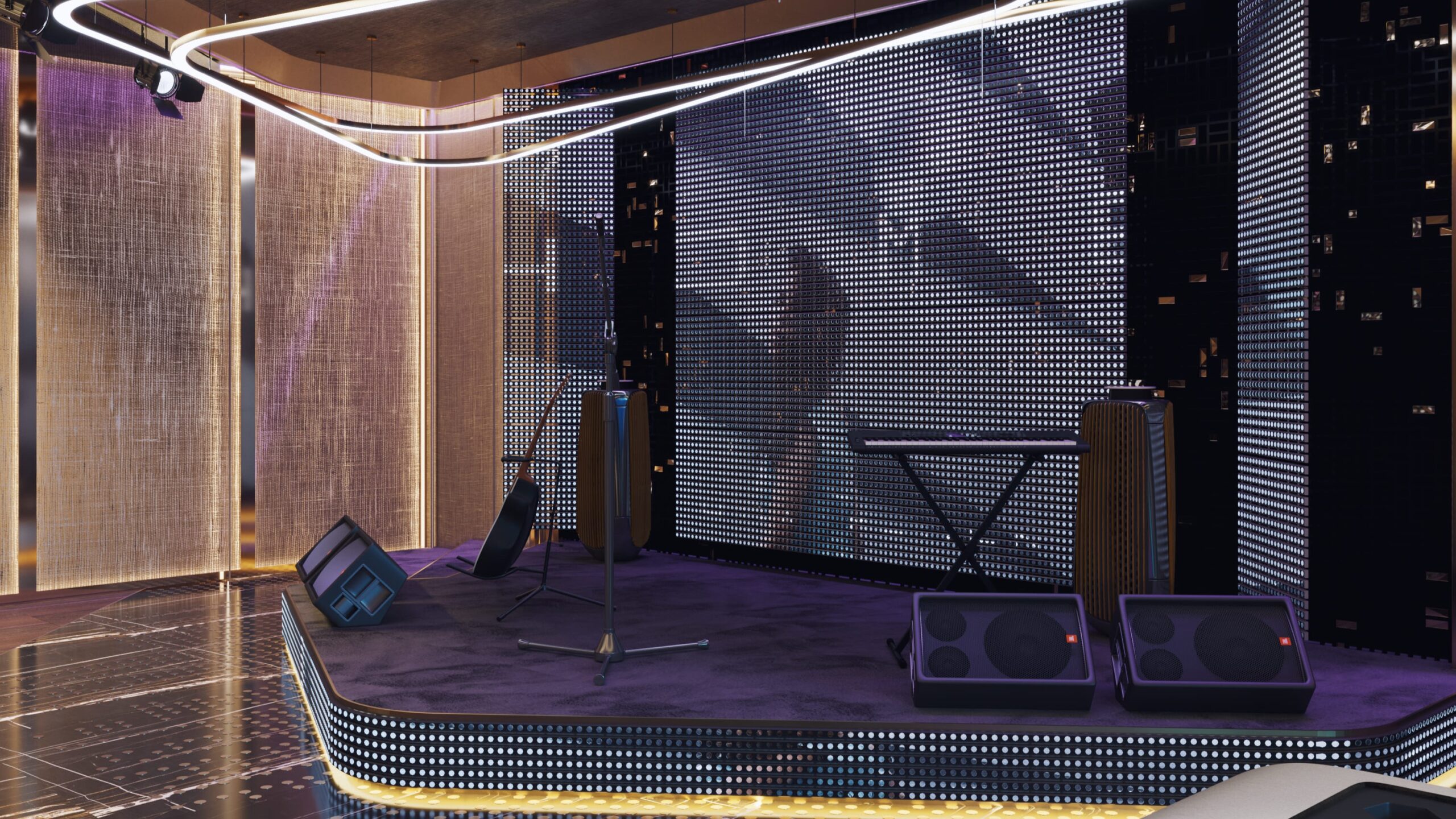
One of the greatest advantages of contemporary basements is their ability to accommodate highly immersive spaces that would be difficult to achieve elsewhere in the home. Private cinemas, music rooms, entertainment lounges, and other experience-driven environments are designed to create powerful emotions for those inside while remaining virtually invisible to the rest of the household.
For architects, this creates a complex challenge: sound levels of 100–110 dB on the basement level should not become noise or vibration in the primary bedroom above, where family members may be sleeping.
Achieving this level of comfort requires sophisticated engineering and rigorous acoustic standards:
- Structural vibration isolation. Walls, floors, and ceilings can be mounted on specialized elastomeric isolation systems that physically separate interior structures from the building’s concrete frame. This significantly reduces structural noise transmission and low-frequency vibrations.
- Architectural acoustics. Instead of relying on hard reflective surfaces, designers incorporate acoustic panels, specialized textiles, and textured finishes that absorb unwanted reflections and improve sound quality within the space itself.
- Silent climate control. Entertainment areas require powerful ventilation capable of refreshing air multiple times per hour. Engineers therefore design low-velocity airflow systems equipped with acoustic attenuators, ensuring that mechanical equipment remains virtually inaudible during operation.
These are the types of solutions that rarely appear in photographs yet have a profound impact on everyday comfort. In the best projects, architecture and engineering work together seamlessly, creating spaces that feel effortless while concealing hundreds of technical decisions behind the scenes.
Bringing Natural Light Underground
One of the most persistent misconceptions about basements is that they must feel dark and enclosed. Advances in basement design now allow architects to eliminate many of the visual limitations traditionally associated with underground construction.
Contemporary architecture has long proven otherwise. Today, architects employ a variety of strategies to introduce natural or natural-like light into underground environments:
- sunken courtyards;
- light wells;
- vertical light shafts;
- solar tubes;
- reflective surfaces;
- advanced architectural lighting systems.
These solutions can dramatically transform how underground spaces are perceived. In some cases, daylight can be redirected from the roof level directly into basement interiors, creating environments that feel remarkably open and connected to the outside world.
Combined with proper ventilation, carefully selected materials, and thoughtful spatial planning, these strategies help eliminate many of the traditional associations people have with underground spaces. The most successful basement designs rarely feel like basements at all.
The Future of Basement Design
The role of the basement continues to evolve. Future luxury basements will likely integrate even more advanced engineering systems while remaining visually connected to the overall architecture of the residence.
What was once considered secondary space is increasingly becoming one of the most strategic assets within a residence. Advances in engineering, lighting, climate control, and construction technologies are expanding what is possible underground, allowing architects to create environments that rival — and in some cases surpass — traditional above-ground living spaces.
At the same time, homeowner priorities are changing.
Privacy, security, wellness, flexibility, and highly personalized experiences are becoming central elements of luxury living. The basement is uniquely positioned to accommodate these needs because it offers a degree of freedom that is difficult to achieve elsewhere within the architectural framework of a home.
As a result, the future of basement design is not simply about adding more space. It is about creating better space — environments tailored to the lifestyles, interests, and aspirations of those who live there.
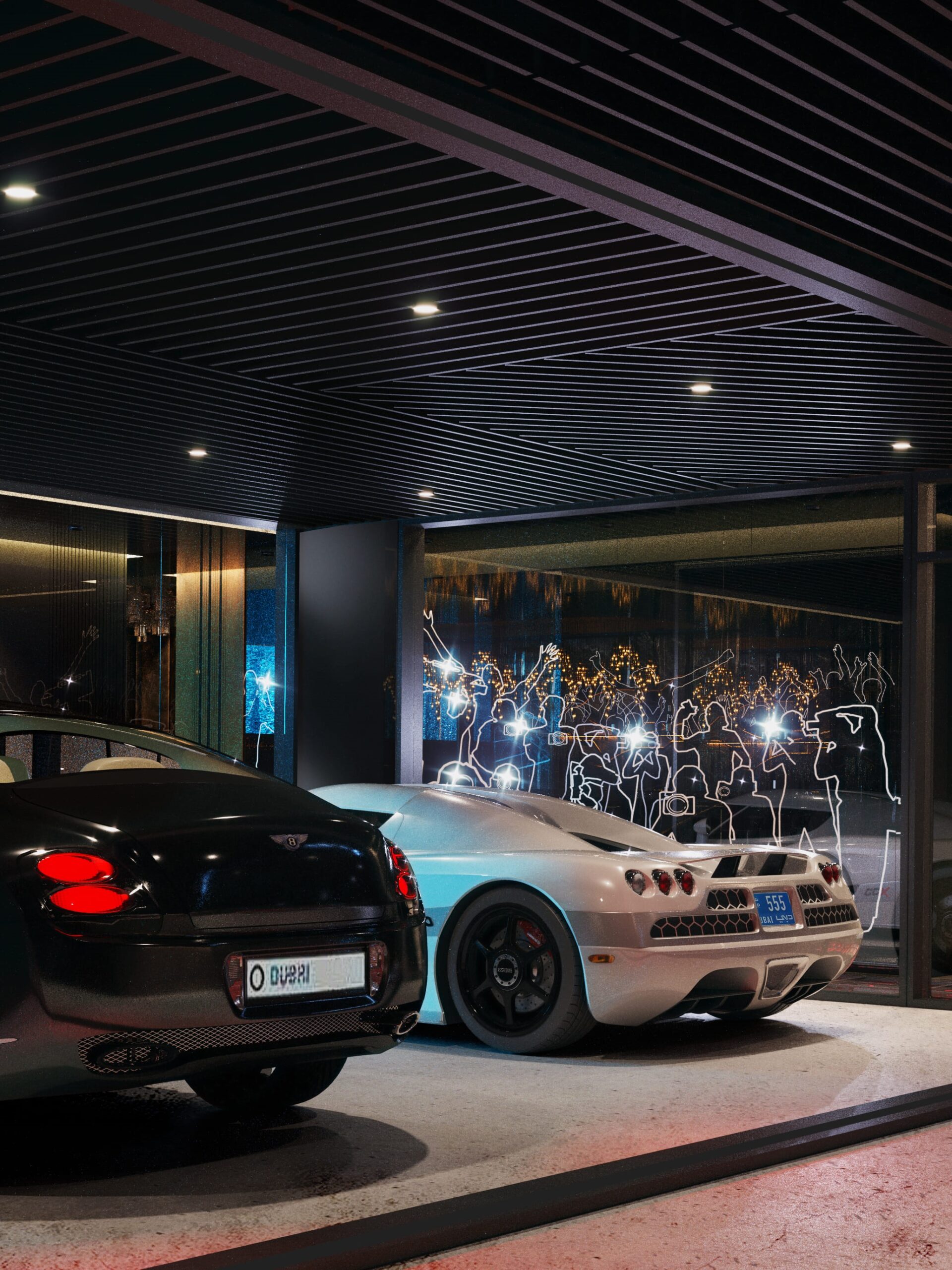
The role of the basement has changed fundamentally. Whether incorporated into a new custom residence or created through a carefully planned basement remodel, these spaces have become an important element of contemporary luxury living.
What was once viewed as a secondary area of the home has become one of the most versatile and valuable components of modern residential architecture.
Whether it functions as a protected living environment, a private entertainment destination, a wellness retreat, a technical hub, a collector’s gallery, or a combination of all these elements, the modern basement offers far greater possibilities than many homeowners realize.
Its true value lies in the combination of additional space, privacy, functionality, and the freedom to create environments that fully reflect the owner’s lifestyle.
The question is no longer whether a basement should be used.
The question is how creatively its potential can be unlocked.
Some of the most remarkable spaces in contemporary homes are no longer found above ground.
They are simply hidden beneath it.