Design styles in superyachts: from minimalism to art deco
Every superyacht tells its own story long before it sets sail. The lines, textures, and materials reveal not only craftsmanship but a clear vision of what life at sea should feel like. Over time, superyacht interior design has become more than a technical discipline. It’s a form of personal expression that evolves with cultural trends and design philosophies.
Today’s luxury yacht interiors span a wide range of aesthetics, from the quiet purity of minimalism to the bold, sculptural energy of Art Deco. Each style speaks its own language, balancing comfort, artistry, individuality, and shaping how its owner experiences the ocean.
Designing for the sea, however, is unlike designing for land. Every decision must balance imagination with practicality, creativity with the realities of movement, light, and climate. The challenge, and the beauty, lie in turning these constraints into an atmosphere that feels natural, elegant, and effortless.
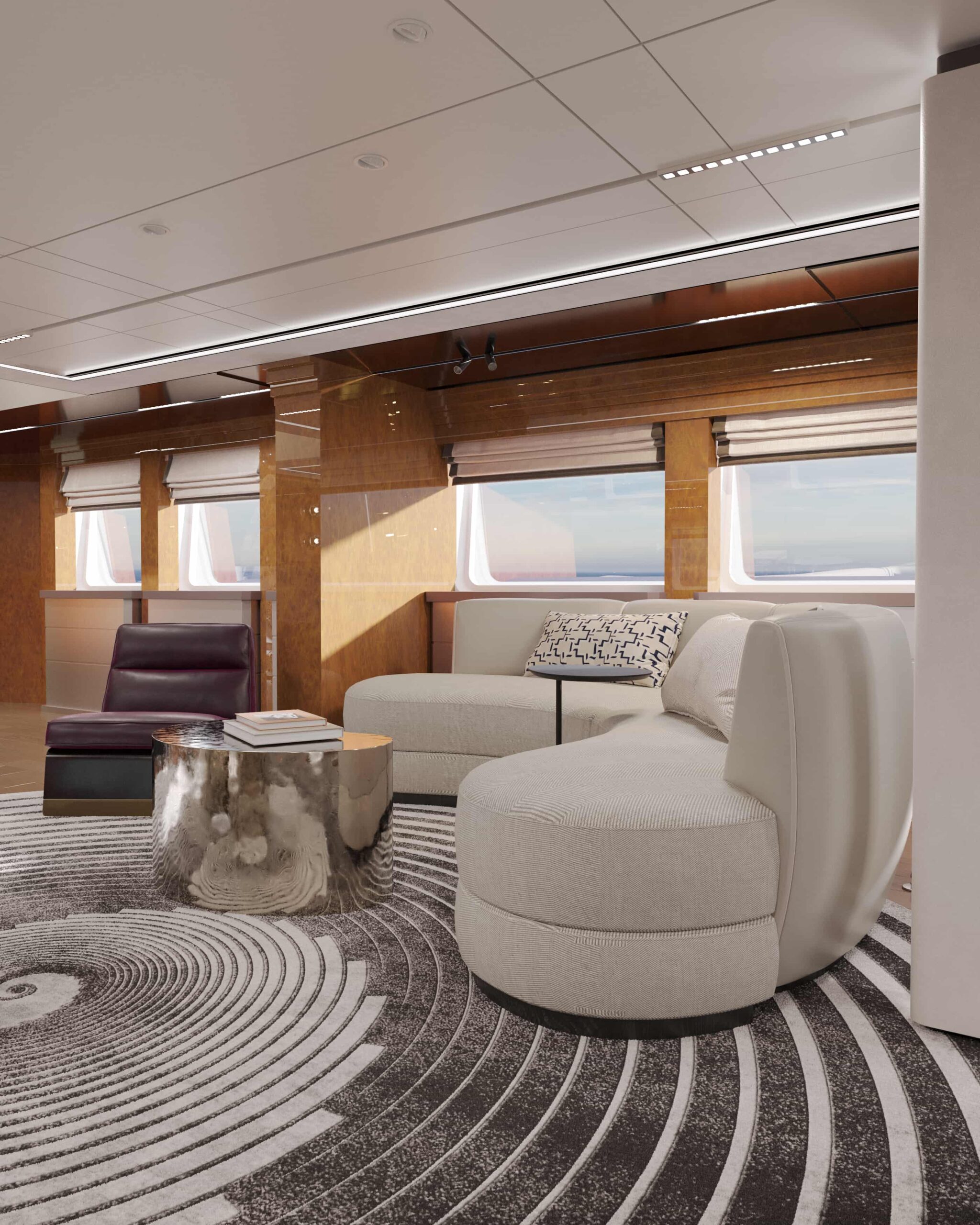
The role of style in yacht interiors
Unlike architecture on solid ground, a yacht interior must move with the ocean while maintaining composure. Every curve and joint serves a purpose, yet together they create something more emotional, like a rhythm that mirrors the movement of waves. Style here is not simply decoration. It’s an architectural philosophy. Whether stripped to essentials or layered with ornamental detailing, design defines how space behaves, how light shifts across surfaces, and how one feels stepping barefoot across the deck at dawn.
Designers often describe yachts as the most complete form of living art. They must house all the functions of a home, maintain a visual harmony with the exterior, and express the personality of the owner. All within a space that is constantly touched by light, salt, and motion. That’s why interior styling in superyachts has evolved beyond mere aesthetics. Nowadays, it’s a meditation on lifestyle and identity.
Minimalism: pure lines and peaceful space
Minimalism arrived in yacht design as an antidote to excess. It’s a design language that values silence over noise, clarity over complexity, and essence over ornamentation. In the world of modern yacht design, minimalism doesn’t mean emptiness. It means intention.
Light and flow
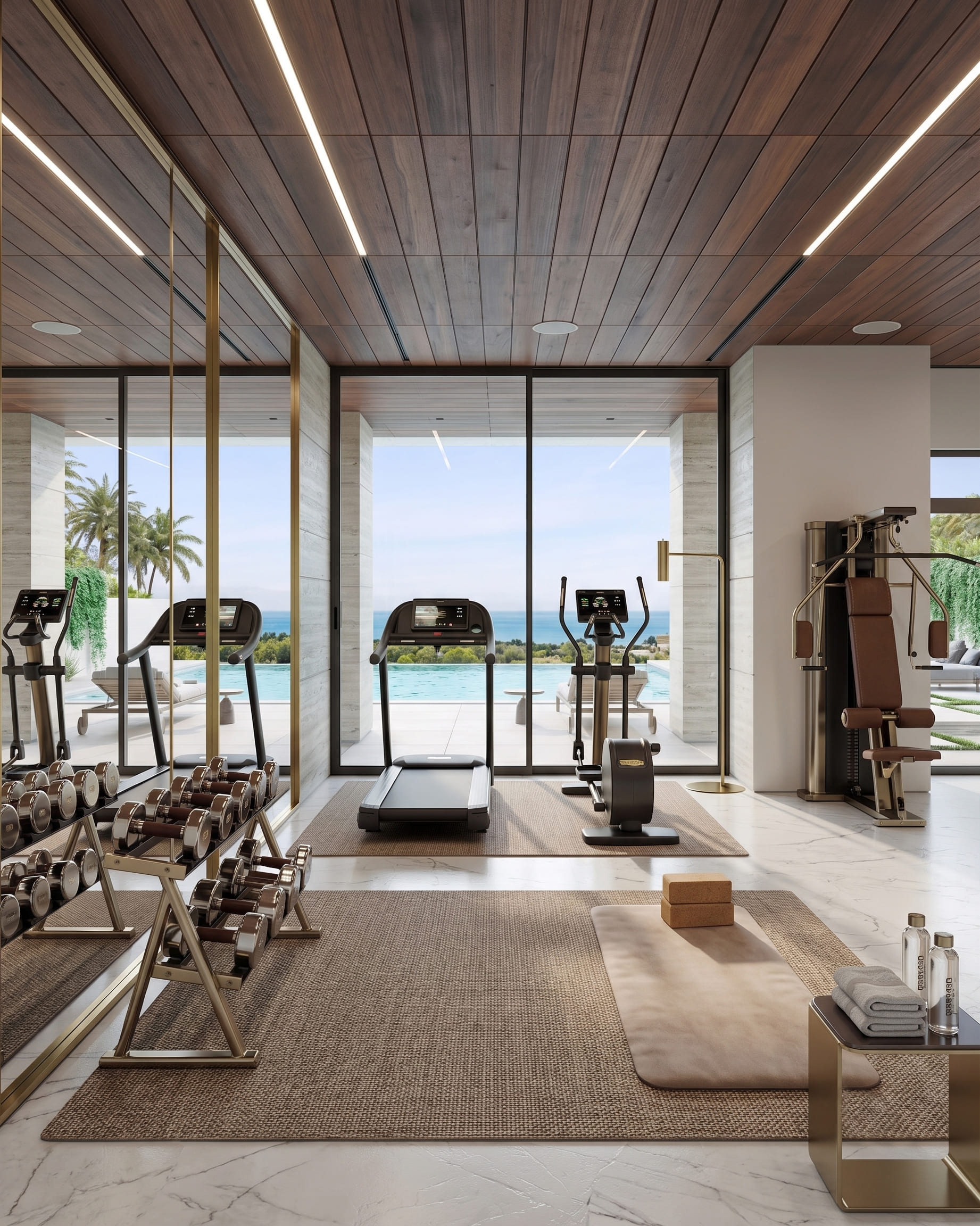
Minimalist yacht interiors revolve around flow and light. Spaces open seamlessly from one area to another, often with panoramic glazing that merges the interior with the endless horizon. The furniture is sculptural yet restrained, carefully chosen to emphasize line and proportion rather than decoration. This approach creates an atmosphere where every detail breathes.
Natural light becomes the main decorative element, shifting across soft-toned materials and smooth surfaces. The palette is often neutral with stone white, sandy beige, weathered oak, or subtle grey to allow reflections of the sea and sky to take center stage. Lighting is soft and hidden, echoing the quiet hum of the ocean. The goal is not to impress at first glance, but to evoke a slow, lasting sense of tranquility. The kind that only emerges when the unnecessary has been stripped away.
Natural materials
Minimalism celebrates authenticity. Materials are used for what they are, not disguised behind gloss or pattern. Oak feels like oak, stone carries its natural veins, and metal retains a matte texture that resists glare from the sun. This material honesty suits the marine environment. Every choice is practical as much as aesthetic: durable, light, and resilient to movement and moisture. Textiles lean toward natural fibers like linen, cotton, wool blends that breathe easily and age gracefully.
In minimalist yachts, craftsmanship becomes invisible; it’s in the flawless joinery, the precision of a seam, the exactness of alignment. It’s about control. About creating a sense of serenity not through luxury’s excess, but through its discipline.
Modern classic: timeless elegance for the sea
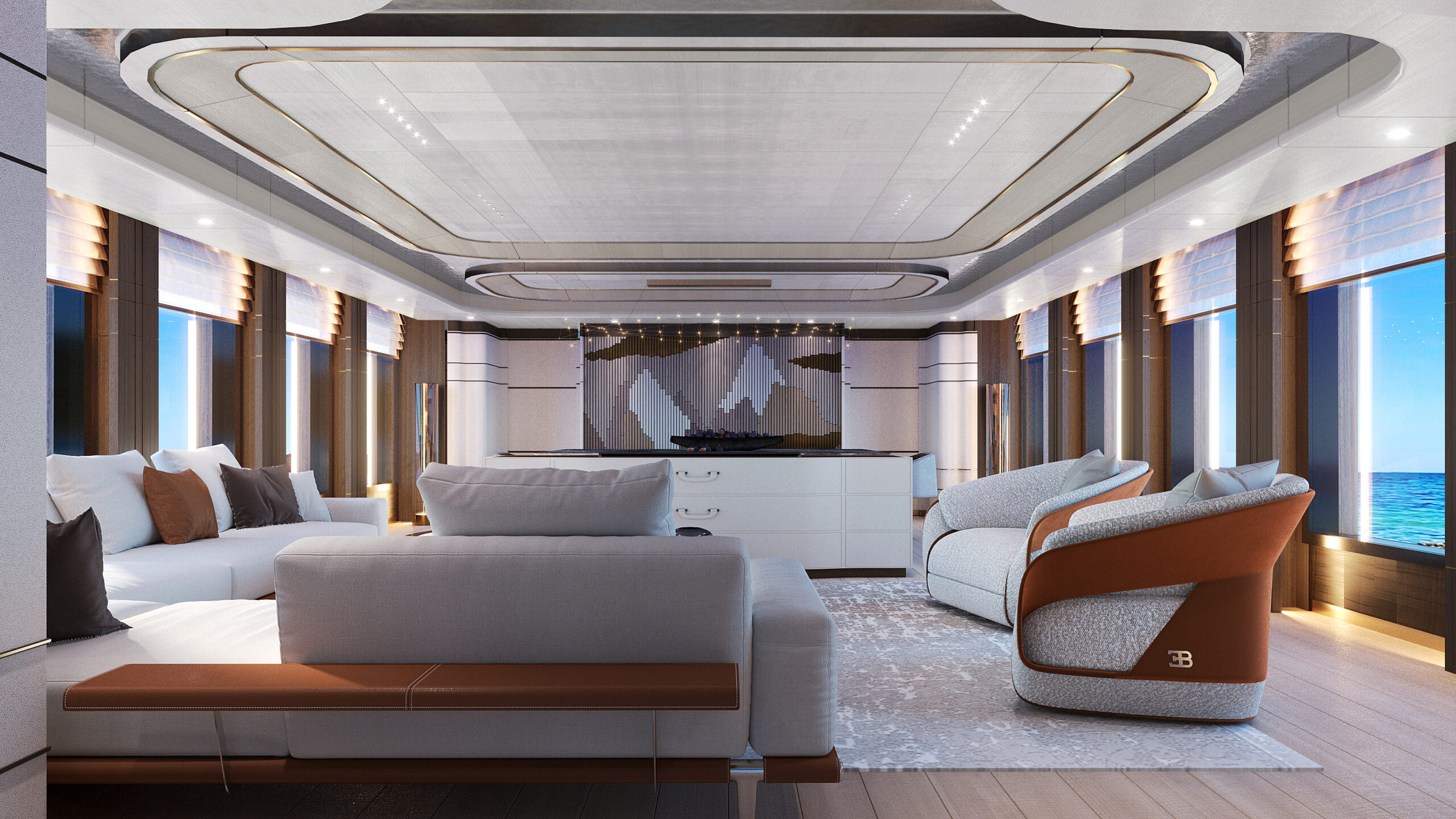
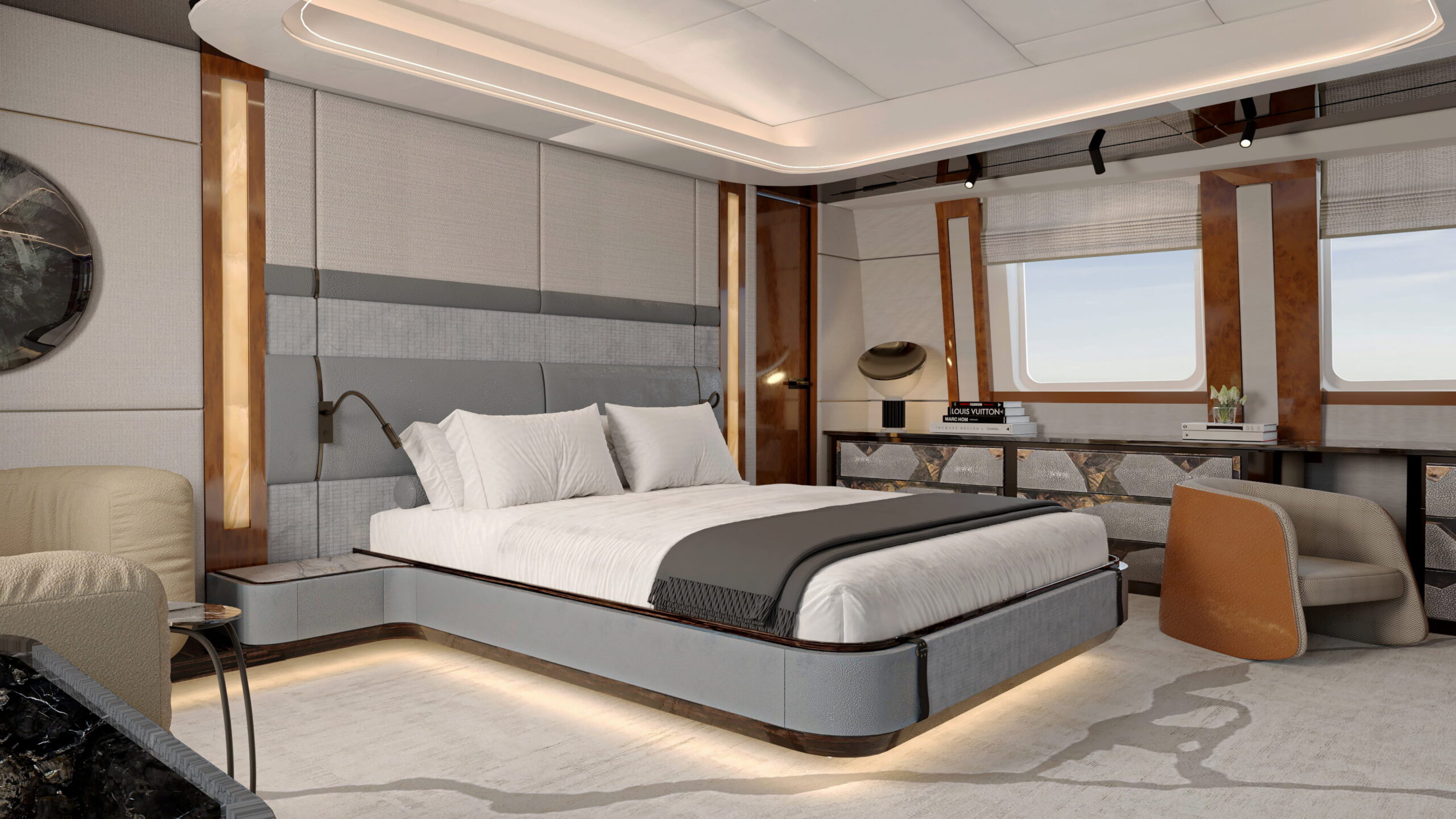
Between the restraint of minimalism and the vibrancy of Art Deco lies the timeless appeal of modern classic style. It’s an aesthetic that honors heritage while embracing contemporary sensibility. It is a balance of tradition, proportion, and understated luxury. Modern classic yacht interiors favor symmetry and warm tonal harmony.
Think soft ivory walls paired with walnut veneers, brushed brass accents, and textured upholstery in muted blues and creams. Every element feels deliberate yet inviting, with enough detail to convey refinement but never enough to overwhelm. This style speaks to those who appreciate familiarity in design, like the rhythm of paneling, the balance of architectural moldings, but desire modern comfort and lightness. It’s about evolution rather than reinvention.
Lighting plays a central role here: layered illumination with dimmable ambient sources, sconces that emphasize vertical lines, and table lamps that anchor conversation areas. The atmosphere is calm, composed, and quietly luxurious like a tailored suit made from the finest fabric but cut for everyday ease. Modern classic style also adapts beautifully to life on board. It carries the romance of old-world yachting without feeling dated, creating a timeless narrative between sea and craftsmanship.
Art deco: statement of glamour and detail
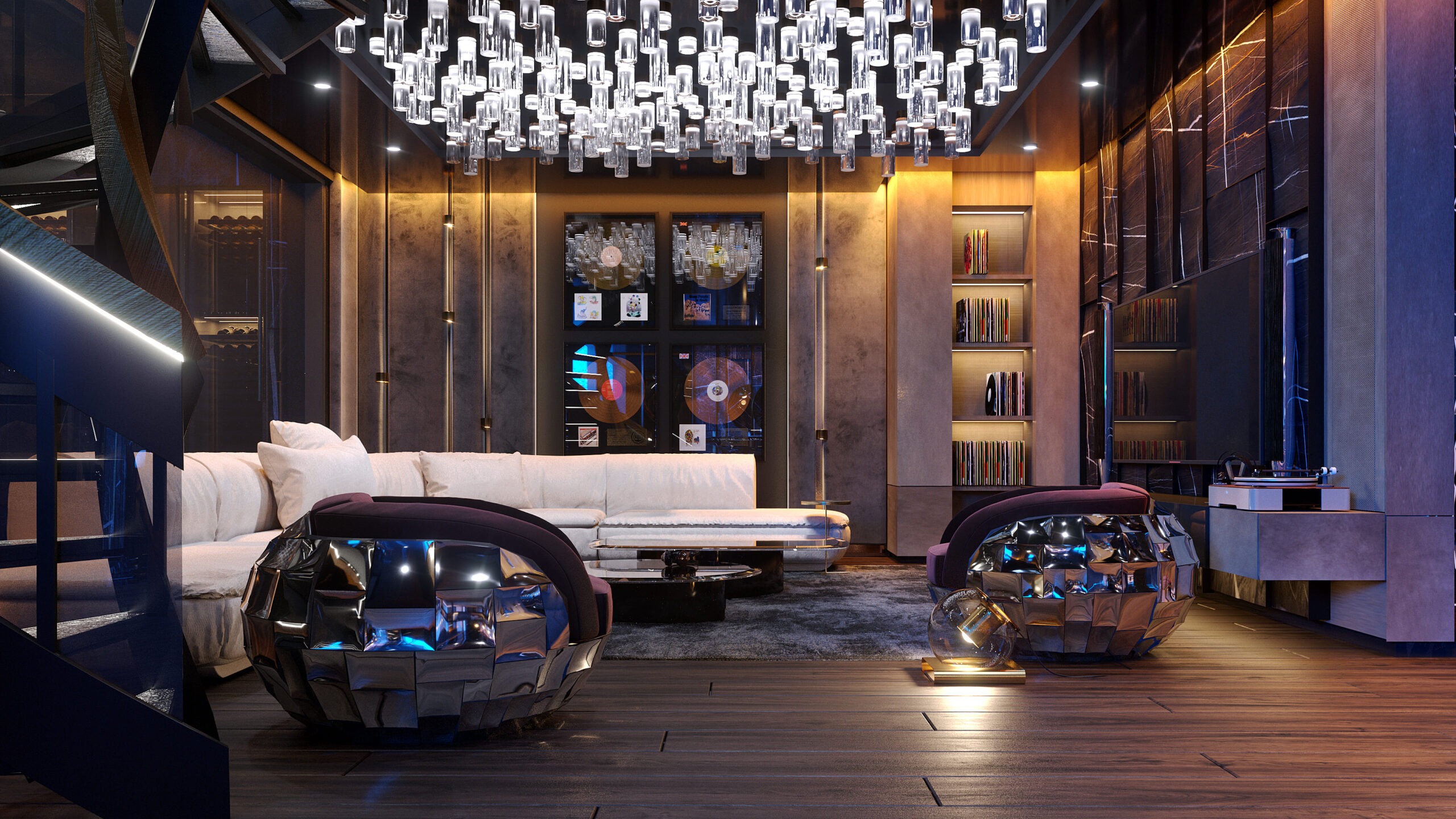
If minimalism whispers, Art Deco sings. Born from the optimism of the early 20th century, it embodies confidence, geometry, and a fascination with materials that catch light and hold attention. In the context of luxury yacht interiors, Art Deco offers a visual feast. It is a celebration of pattern, reflection, and exquisite detailing reimagined for contemporary living.
Contemporary interpretation
On land, Art Deco design is defined by lacquered wood, chrome, marble, and mirrored surfaces. But at sea, such opulence needs translation. Designers reinterpret the style using lighter, more durable materials that echo the spirit of Deco without compromising functionality. Some of the examples are high-gloss veneers that mimic the sheen of classic lacquers, while inlays of mother-of-pearl, brass, or leather introduce depth and tactility.
Geometry remains the core language. Therefore, zigzags, fans, and sunburst motifs appear subtly in marquetry, floor patterns, or lighting design. Textures replace heavy ornamentation. Instead of cold glamour, today’s Art Deco yachts lean toward warmth and elegance, blending the bold lines of the era with contemporary minimal restraint. It’s Deco refined by time and motion — less theater, more poetry.
Mood and atmosphere
Art Deco is about emotional impact. The design invites you to feel something. It is a mix of nostalgia, confidence, and delight. Lighting is key: shimmering reflections from glass fixtures, brass sconces that play with shadow, or indirect glows that dramatize architectural curves.
Fabrics add sensuality — velvet cushions, silk rugs, fine leather detailing. Colors are deeper here: midnight blue, ivory, bronze, and gold tones harmonizing with the natural gloss of polished wood. In such interiors, movement is celebrated through visual rhythm. Everything seems to flow, from sweeping staircases to curved cabinetry. Despite its complexity, Art Deco’s structured geometry offers order with a sense of human control over nature’s vastness.
Coastal contemporary: light, air, and effortless living
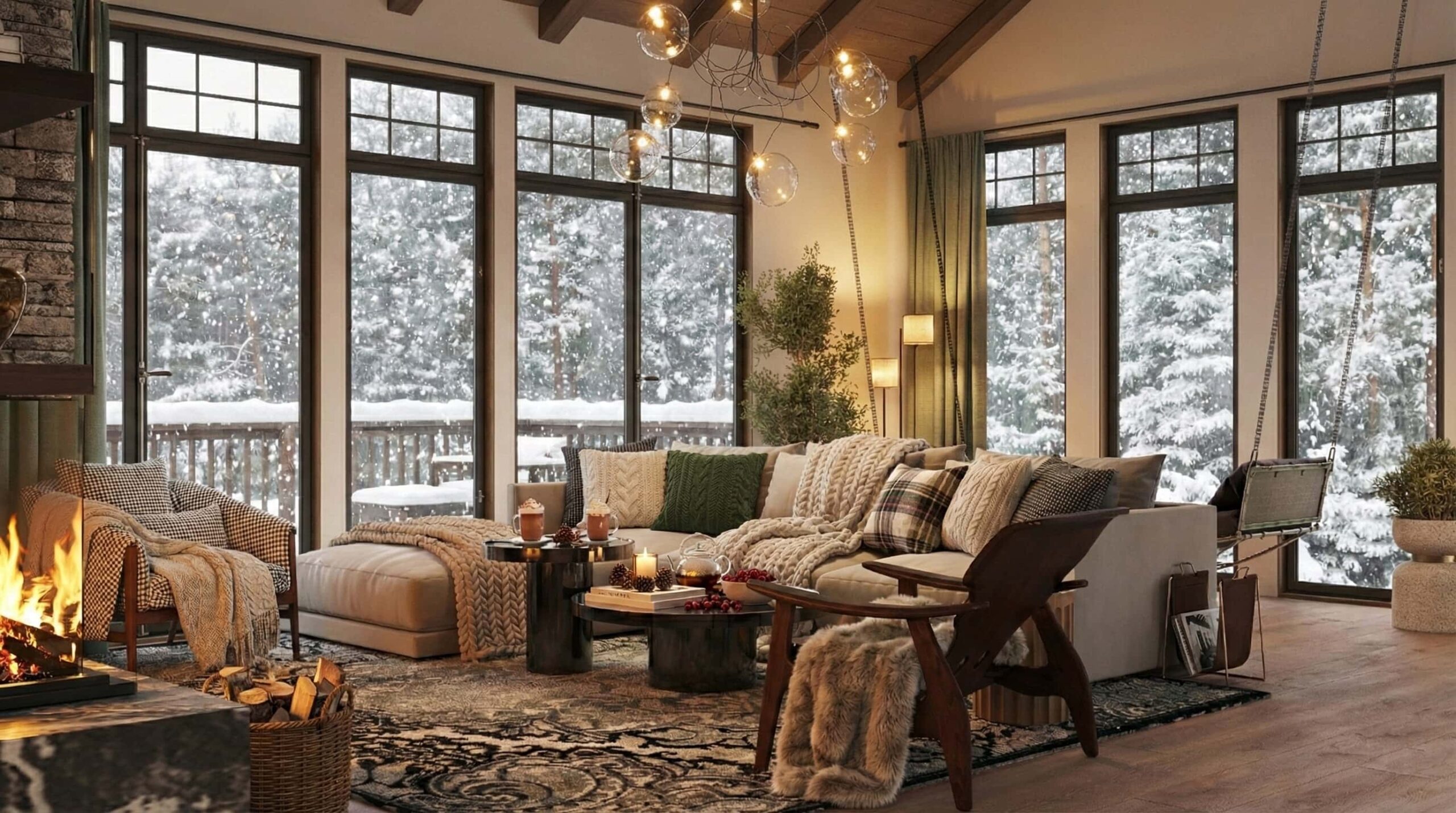
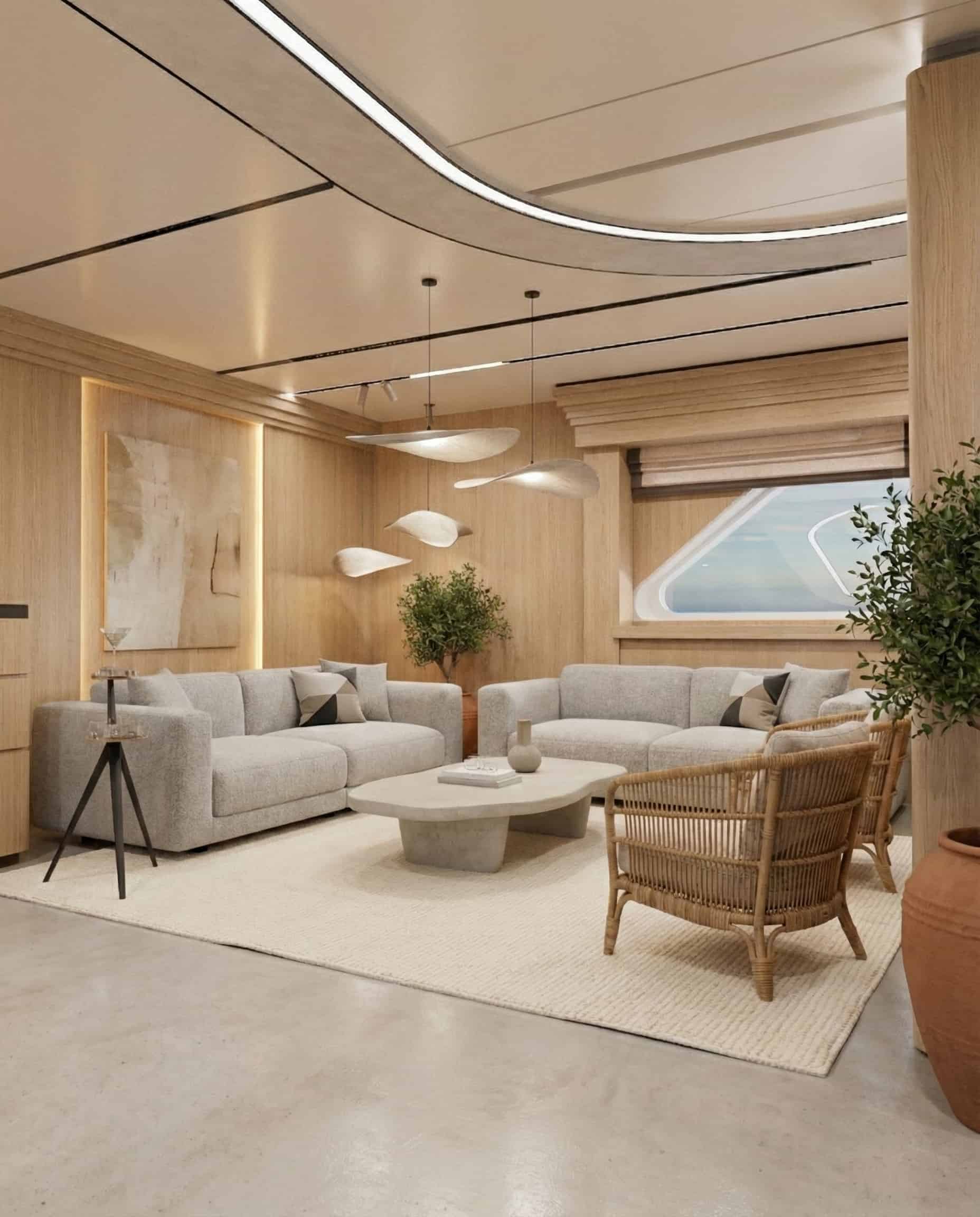
In recent years, yacht design trends have embraced a lighter, more casual aesthetic inspired by coastal living. This style, often called coastal contemporary, feels like summer distilled into form. It’s easygoing yet refined, merging the warmth of beach house comfort with the sophistication of modern design. Here, the palette brightens. Whitewashed woods, pale fabrics, and accents of seafoam or soft grey mirror the colors of open water and sky. Textures replace ornamentation: woven rattan, linen drapes, hand-brushed finishes.
Spaces are fluid and inviting, often framed by expansive glazing that blurs boundaries between interior lounges and outdoor decks. Furniture choices emphasize relaxation with wide seating, low tables, and soft edges. The luxury lies in atmosphere rather than material showmanship. Coastal contemporary style suits life on board perfectly. It celebrates natural light, cross-ventilation, and materials that resist the harshness of marine climates. It’s not about statement pieces. It’s about creating a sanctuary that feels alive with air, sun, and salt.
Adapting styles to the marine environment
Every yacht interior, no matter its aesthetic, must comply with the realities of the sea. Humidity, movement, and light conditions influence every design decision from structure to texture.
- Materials and durability
Marine environments demand lightweight, moisture-resistant materials. Teak, aluminum, composite panels, and stabilized woods form the foundation. Finishes are chosen to minimize glare, prevent corrosion, and preserve elegance. Even luxurious elements like marble are often replaced with lighter composites that mimic natural stone without the weight.
- Space optimization
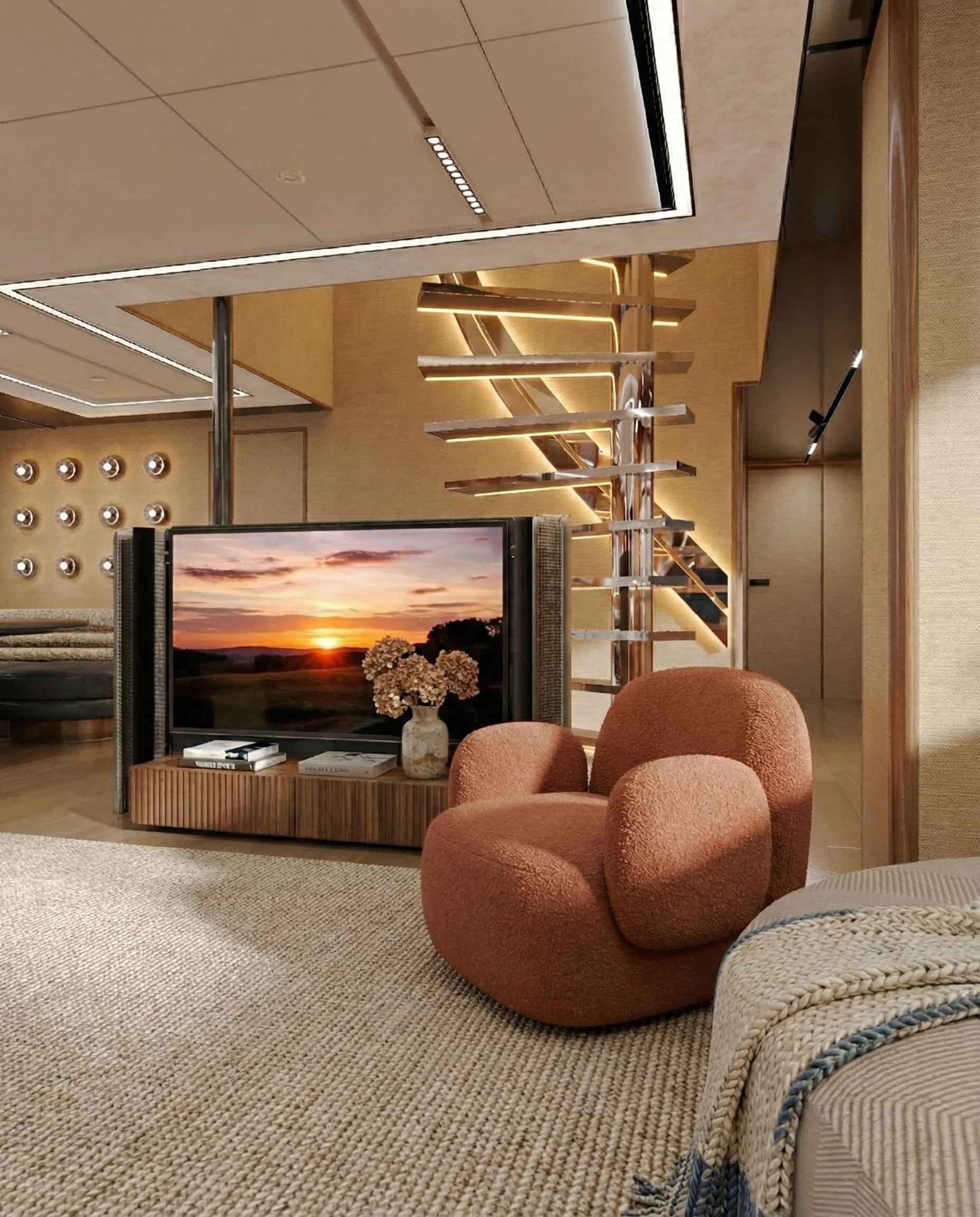
Unlike static architecture, yacht interiors rely on clever spatial logic. Storage must disappear into paneling; furniture often integrates multiple functions. A luxury yacht interior might hide drawers under lounges, fold-out tables behind walls, or lighting systems built directly into cabinetry. - Movement and safety
The ocean is alive, and so must be the design. Rounded edges, secure fittings, and balanced proportions ensure comfort during navigation. Even in the most glamorous Art Deco yachts, practicality remains sacred. - Lighting and reflection
Natural light on water behaves differently. It shifts constantly, reflecting from surface to surface. Designers use layered lighting systems to maintain consistent warmth, avoiding excessive contrast or glare. - Sustainability and innovation
Modern superyacht interior design increasingly incorporates eco-conscious materials and smart energy systems. From responsibly sourced timber to LED lighting and recycled fabrics, the new definition of luxury includes awareness of environmental impact.
Adaptation doesn’t limit creativity but refines it. True design mastery lies in achieving aesthetic ambition within technical discipline.
Personal style and expression
At its core, a superyacht interior is a mirror of its owner’s soul. Some see the ocean as a place for reflection and stillness, others as a stage for celebration. Each style, from minimalist to Art Deco, offers a different way of interpreting that relationship.
Minimalism becomes a retreat for the introspective, a floating sanctuary stripped of distraction. Modern classic design appeals to those who value heritage and quiet elegance, while Art Deco attracts the bold ones who see their yacht as a statement of artistry and confidence. Coastal contemporary, meanwhile, belongs to the dreamers who chase light and freedom across open seas.
The most remarkable luxury yacht interiors often blend elements of several styles, creating something deeply personal. A minimalist foundation might host Deco-inspired lighting. A modern classic palette may borrow coastal textures. The beauty lies in curation and the ability to merge philosophies without losing coherence. Ultimately, style is not just visual. It’s emotional. It defines how mornings feel when sunlight touches the deck, how evenings unfold under soft indirect light, how each journey feels as you cross from one horizon to another.
Superyacht design is an evolving art form that captures humanity’s oldest fascination with the ocean and translates it into architecture, craftsmanship, and emotion. From the disciplined grace of minimalism to the radiant confidence of Art Deco, each style tells a different version of the same story: our desire to shape beauty amid constant motion.
What unites them all is not ornament or trend, but harmony. The harmony between people and place, between movement and stillness, between design and the sea itself. And perhaps that’s why the finest yacht interiors never truly age. They may echo different eras, materials, or philosophies, but they all share one quiet truth: when design aligns with the rhythm of the ocean, luxury becomes something deeper than opulence. It becomes serenity.