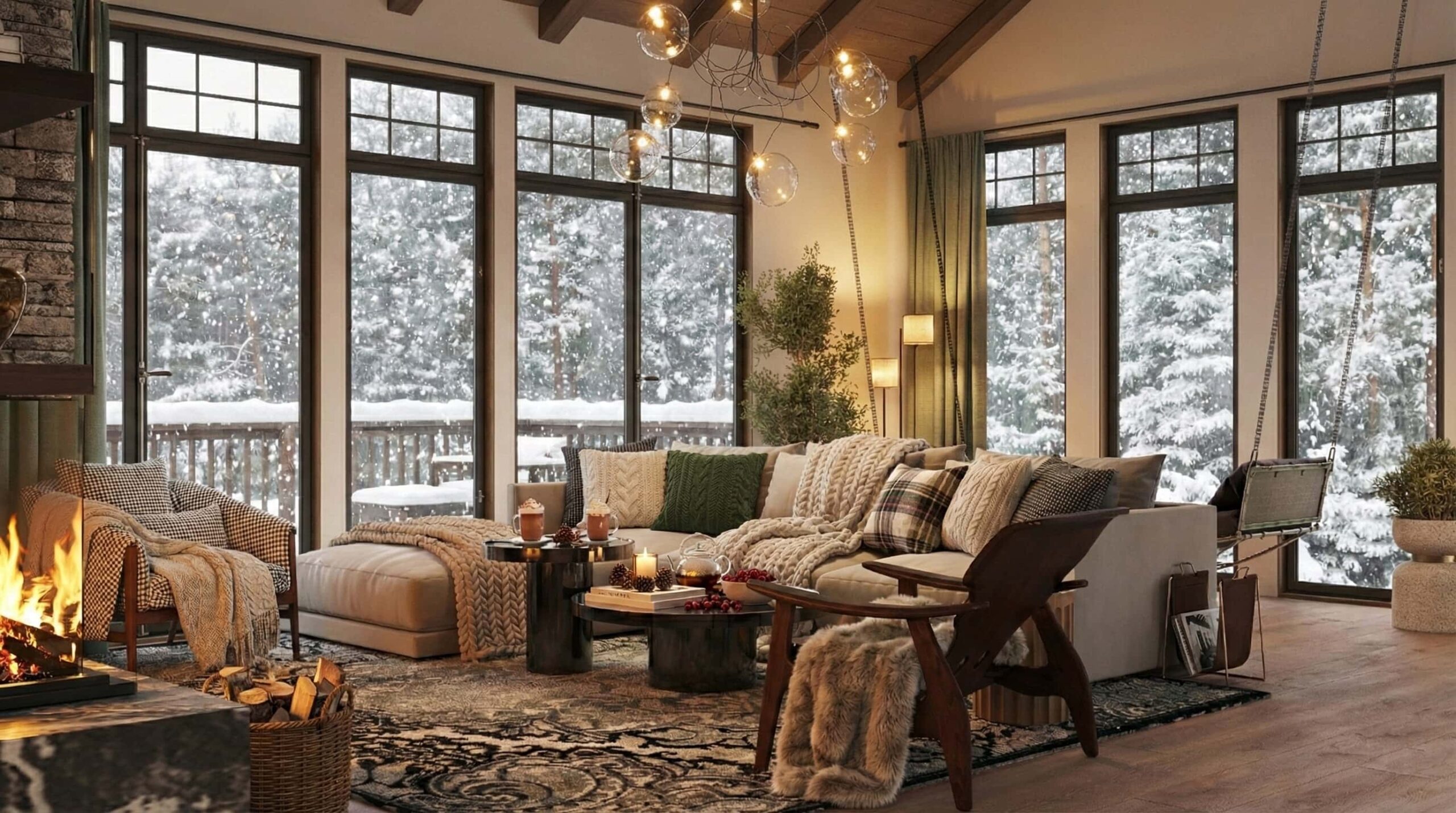
The Interior Design Trends for 2025: What to Expect
High-end design trends in 2025 are poised to revolutionize how we live, feel, and interact with our spaces. As technology advances, environmental concerns intensify, and lifestyles evolve, the interiors of tomorrow will be a direct reflection of these cultural shifts. This year promises a bold departure from predictable patterns and an embrace of designs that are personal, intelligent, and deeply connected to the environment. In this guide, we explore future interior design trends for 2025, offering homeowners, interior designers, and architects a glimpse into the future of style and function.
The Evolution of Interior Design Trends for 2025
The concept of interior design has always been dynamic, but 2025 marks a particularly sharp shift toward intentionality and balance. Trending interior design styles are no longer just about appearance — they are about emotion, behavior, and lifestyle alignment. The trends for interior design this year focus heavily on authenticity, sustainability, and adaptability.
While minimalism continues to hold its ground, it’s now softened with rich textures, organic materials, and warm, earthy tones. Clean lines remain important, but they are increasingly paired with tactile elements like boucle, raw wood, or handmade ceramics. The goal is to create a sense of depth and soul in every room.
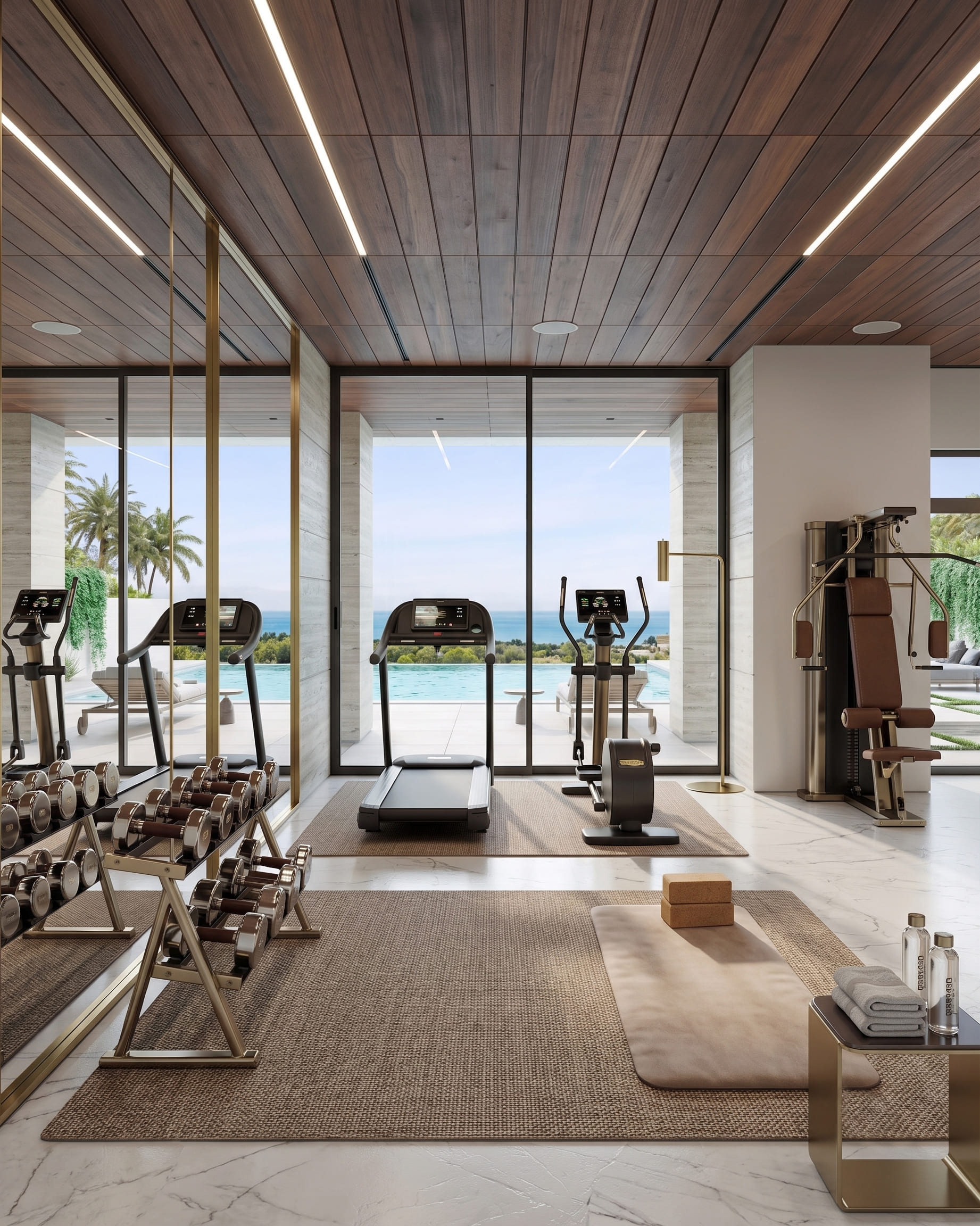
Another key shift is toward biophilic design—a concept that brings the outside in. This trend isn’t just about adding plants to your living room. It’s about architectural integration, such as large windows that invite sunlight, indoor gardens, and natural ventilation systems that support health and well-being.
Flexibility is also a growing focus in interior decoration trends. With remote work and hybrid living now the norm, spaces must do more than ever before. Modular furniture and adaptable layouts allow rooms to serve multiple functions — transitioning from office to living space, yoga studio to dining area, all within the same footprint.

Sustainable and Eco-Friendly Design Trends
Sustainability is no longer optional — it’s essential. In 2025, the push toward sustainable design takes center stage, not just in the materials used but in the way homes are constructed and lived in. Expect to see a rise in furniture made from recycled or upcycled materials, like reclaimed wood and ocean plastic. Flooring options like bamboo or cork are being favored for their low environmental impact.
Eco-friendly interiors also lean into longevity. Instead of disposable decor, more homeowners are investing in timeless pieces built to last. Locally sourced materials and handcrafted items are making a comeback, supporting both artisanship and the planet.
Brands are prioritizing transparency, offering insights into their supply chains and carbon footprints. Look for labels that highlight low-VOC finishes, organic fabrics, and biodegradable packaging.
Beyond aesthetics, sustainability is influencing energy use, too. From smart thermostats to solar-powered lighting systems, interior design is helping reduce overall home energy consumption while maintaining high-end design trends.
Integration of Smart Technologies in Interior Design
The rise of smart home technology is reshaping how we experience our spaces. In 2025, homes are more connected than ever, with voice-activated assistants, sensor-based lighting, and automated climate control systems becoming staples of modern interiors.
Modern design tech isn’t just about convenience. It’s about creating spaces that intuitively respond to your needs. Smart mirrors in bathrooms now provide skincare diagnostics and lighting adjustments. In kitchens, appliances can recommend recipes based on what’s in your fridge.
Furniture is also going high-tech. Expect beds that track sleep quality, coffee tables with built-in wireless charging, and home offices with integrated soundproofing and lighting presets tailored to boost productivity.
This seamless integration enhances both functionality and aesthetics, ensuring that sophisticated, unique design trends don’t sacrifice usability. The key is to embed technology so gracefully into the design that it feels invisible yet indispensable.
High-End and Luxury Interior Design Trends for 2025
Luxury interior design in 2025 moves beyond opulence for the sake of opulence. It becomes more nuanced, focusing on quality, personalization, and emotional resonance. True luxury now lies in craftsmanship, unique materials, and spaces that tell a story.
Affluent homeowners are seeking experiences, not just aesthetics. Interiors are expected to evoke feelings — comfort, nostalgia, inspiration. This shift brings a strong emphasis on high-end design trends and meaningful details. Interior design trends 2025 place value on timelessness and individuality rather than flashy trends that fade quickly.

Sophisticated Materials and Luxurious Textures
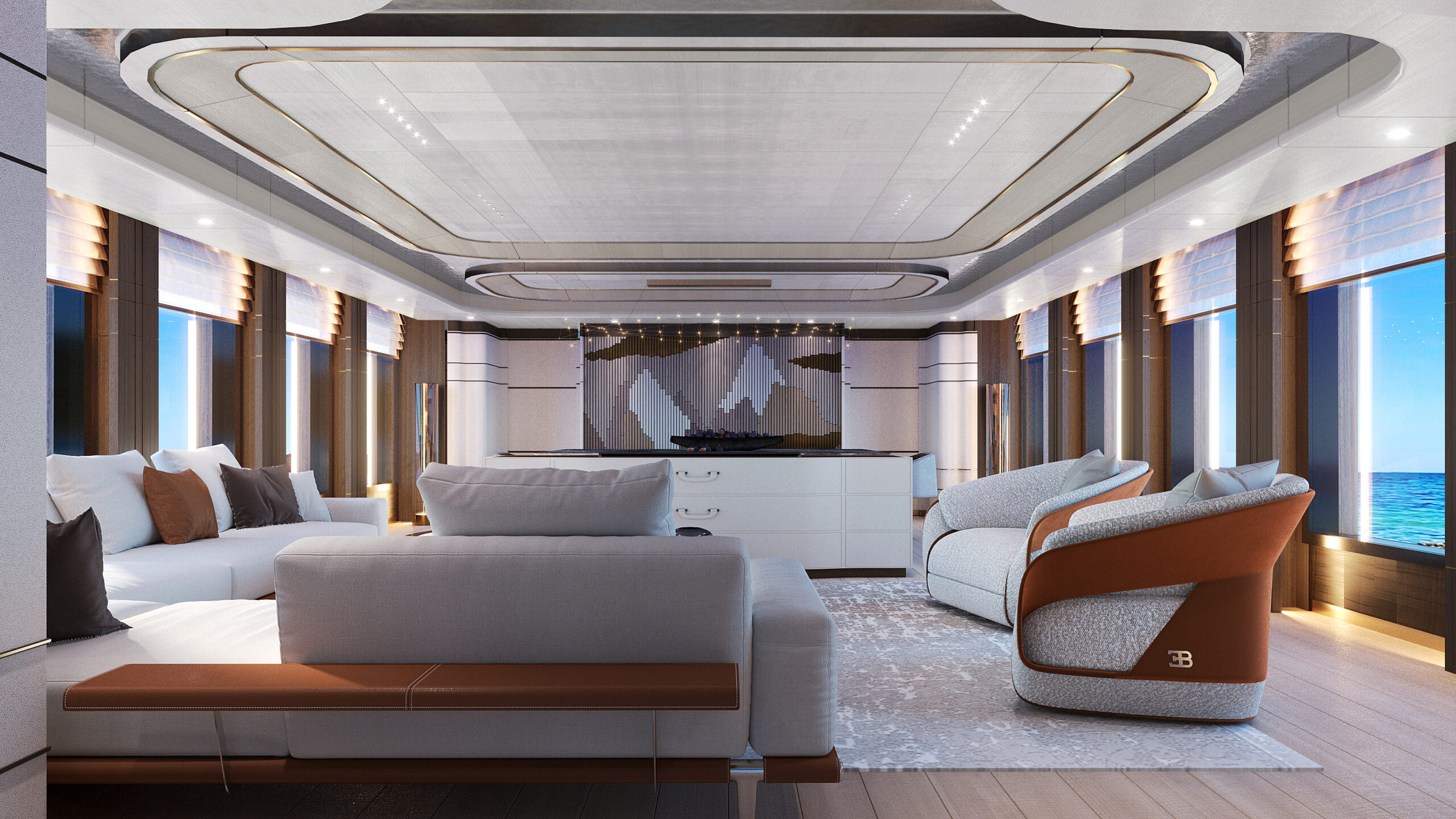
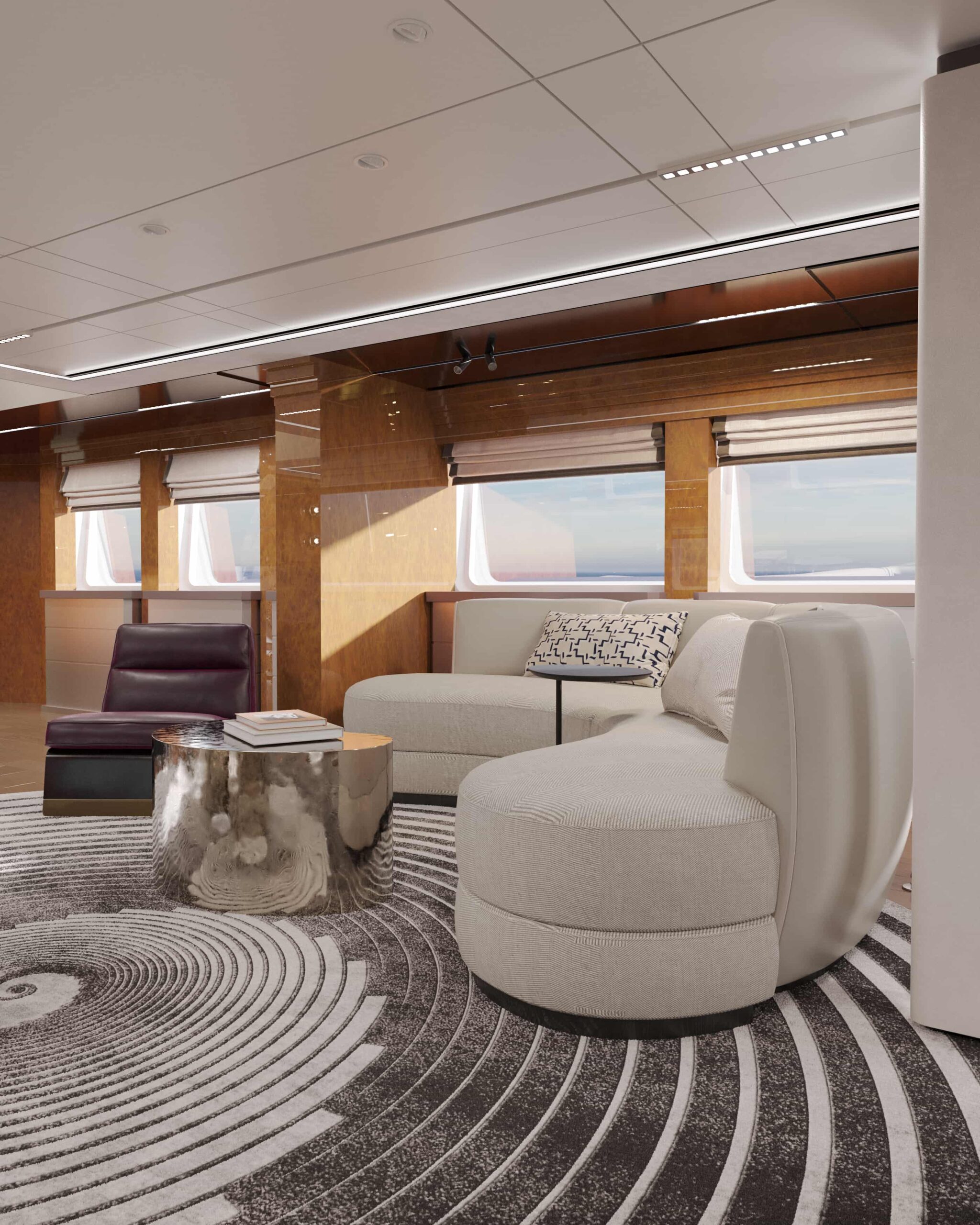
Luxurious textures are fundamental to creating a rich sensory experience. Velvet, silk, handwoven wool, and leather with artisan finishes are leading materials. These textures are often juxtaposed with natural surfaces like rough stone or burnished metal, creating a tactile tension that exudes elegance.
One of the sophisticated design trends making waves is the layering of finishes — imagine brushed brass against matte travertine or polished concrete next to aged wood. These combinations elevate simple forms into statement pieces.
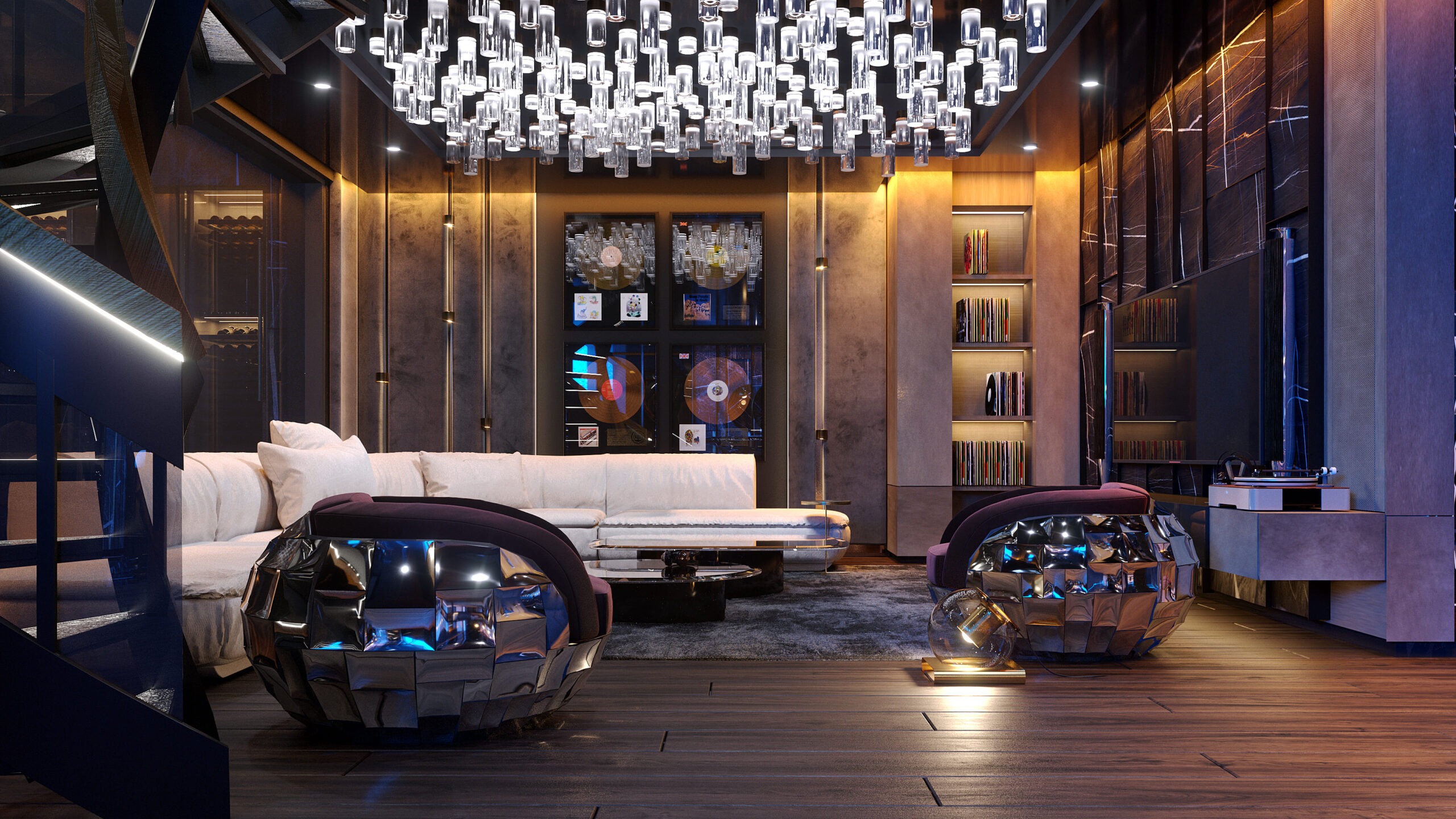
Textiles are going bespoke, with custom embroidery, block prints, or artist-designed patterns becoming increasingly popular. Even ceiling treatments are stepping up, with fabric paneling or sculptural lighting turning the overhead plane into a design feature.
Material innovation is also part of the luxury narrative. Engineered stones with embedded lighting, translucent resins with botanical inclusions, and hand-fired ceramics introduce surprise and texture in unexpected places. Designers are exploring sensory layering — how a room feels to the touch, the interplay of textures under changing light, even how sound behaves in relation to soft or hard finishes.
Another interior design trend for 2025 is that luxury also goes quiet. There’s a rise in subtle indulgence, where quality speaks in hushed tones: ultra-soft cashmere throws, handmade zellige tiles, and wall finishes that shift color with the time of day. It’s not about showing off wealth — it’s about curating intimacy and elegance.
Bold Colors and Statement Pieces
Gone are the days of all-neutral palettes. In 2025, bold design trends are taking over with jewel tones, moody hues, and unexpected color combinations. Deep emerald, rich terracotta, navy blue, and mustard yellow are making their way into living rooms, bedrooms, and kitchens alike.
Colorology — understanding the psychological effects of color — is playing a greater role in design decisions. Blue calms, green rejuvenates, red energizes. In the hands of skilled designers, these colors become tools to shape the mood of a space.
Statement decor is another highlight. Think oversized art, sculptural lighting fixtures, or one-of-a-kind vintage finds. These pieces serve as visual anchors, creating focal points that instantly elevate a room’s design.
Trending interior design styles show a preference for personalization. Whether through custom millwork, monogrammed accents, or heritage pieces passed down through generations, the trend is toward spaces that feel unmistakably personal.
Creative Seasonal Decor Updates for 2025
Seasonal decor is evolving in 2025 from holiday kitsch to thoughtful transformations that align with both nature and lifestyle. Homeowners are increasingly looking for creative seasonal decor updates that are versatile, stylish, and sustainable.
Rather than a total overhaul, seasonal interior trends now lean into micro-changes — swapping out cushion covers, rotating artwork, or switching floral arrangements. These subtle changes help reflect the seasons without overwhelming the base design.
Natural elements take center stage. Think dried botanicals in winter, fresh herbs in spring, sun-bleached driftwood in summer, and warm-toned foliage in autumn. These updates bring texture and vitality to the home while staying eco-conscious in interior decoration trends.

Adapting to Seasonal Changes with Design Flexibility
One of the key trends in flexible design is the ability to shift aesthetics without major overhauls. Swapping out textiles, such as curtains, rugs, or throw pillows, allows for easy updates that reflect the mood of the season.
In spring and summer, breezy linens and pastel tones evoke freshness, while autumn and winter call for plush textures, deeper hues, and cozy layering. Integrated storage solutions make it easy to rotate seasonal items while keeping the space organized.
Seasonal decor ideas now include scent as well — diffusers with essential oils like lavender in summer or cinnamon in winter help set the tone. Lighting is also crucial: warmer lights in colder months create comfort, while daylight-simulating bulbs keep energy up during short days.
These simple updates, when combined with high-end design trends, offer an elegant way to maintain freshness year-round without sacrificing cohesion.
Incorporating Natural Elements for Seasonal Appeal
The connection to nature is one of the most powerful themes of 2025. Natural design trends bring the beauty of the outdoors inside with materials like stone, rattan, clay, and raw wood. These elements help establish a sense of groundedness and calm.
Biophilic design is central to this. It’s not just about houseplants — it includes living walls, water features, and natural light optimization. Seasonal blooms, branches, or dried botanicals add ever-changing texture and color to a room, keeping it alive and evolving.
These touches not only enhance visual appeal but also improve air quality and emotional well-being. In today’s busy world, this connection to the natural world is more than an aesthetic choice — it’s a necessity in sophisticated, unique design trends.
The interior design trends in 2025 represent a convergence of technology, nature, and luxury. Whether it’s through smartspaces, biophilic design, or high-end finishes, the focus is on creating environments that serve both function and feeling.
From creative seasonal decor updates to bold and sophisticated materials, the trends encourage authenticity, comfort, and intentional design choices. As the year unfolds, expect to see luxury interiors that not only look stunning but also support the diverse needs of modern life.
By staying informed with modern design trends and embracing innovation, homeowners, designers, and architects can create spaces that are not only stylish but deeply resonant, transforming interiors into personalized sanctuaries that stand the test of time.