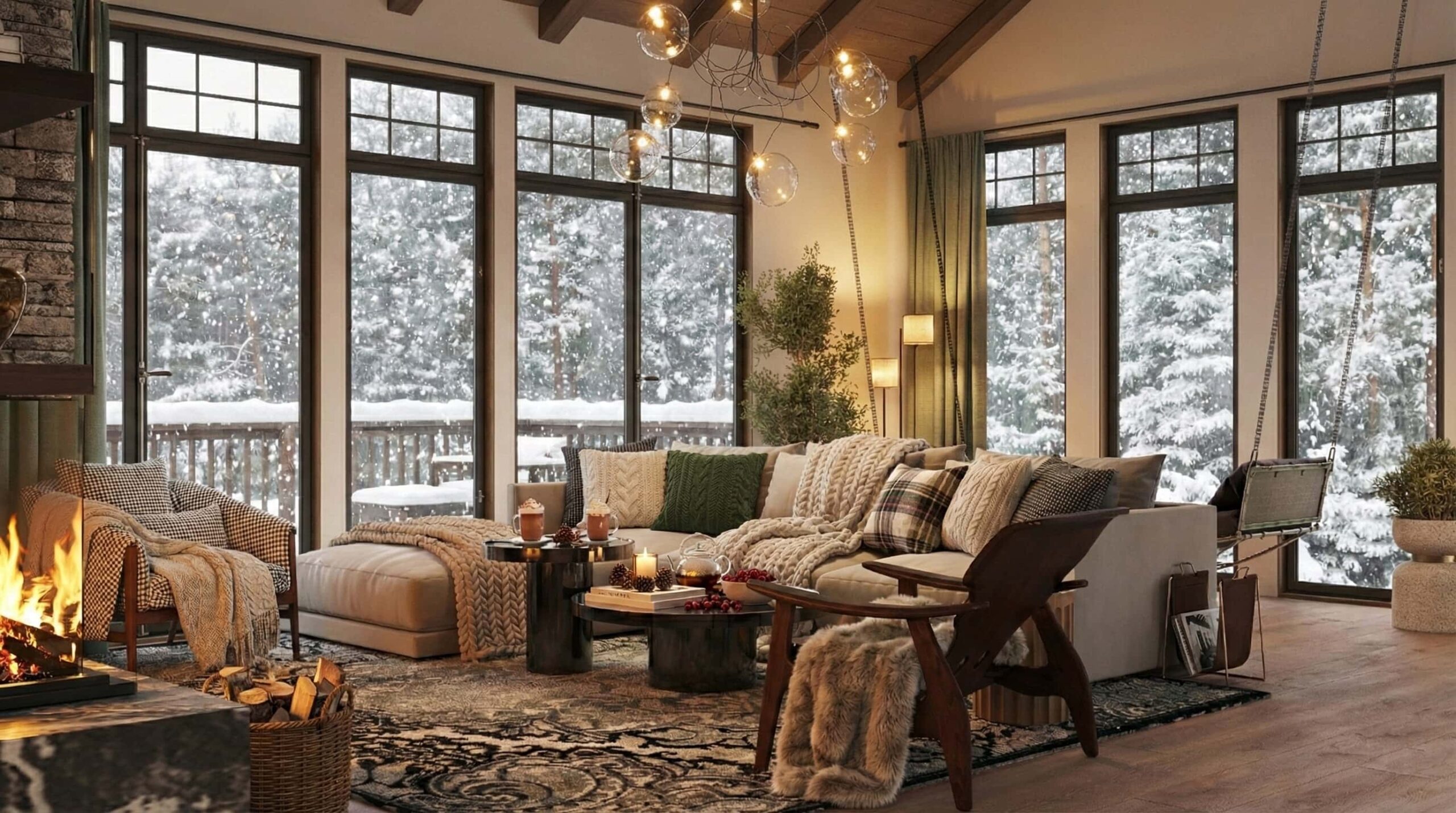
Residential interior design is the art and science of enhancing home decor to achieve a functional, aesthetically pleasing, and comfortable living environment. It plays a crucial role in defining personal spaces that reflect individual tastes while ensuring practicality. Thoughtfully designed living room design solutions contribute to a cohesive and stylish ambiance that suits a homeowner’s lifestyle. This article explores the essential elements of residential interior design, offering insights into space planning, material selection, and the latest trends that shape modern interior aesthetics.
Key Elements of Residential Interior Design
A well-designed home consists of multiple interior design principles that work together to create a cohesive and stylish environment. Understanding these fundamental home decor trends helps in making informed decisions that balance aesthetics with practicality. From space planning to selecting high-quality materials, every detail contributes to an inviting and functional home.
Space Planning and Layout Optimization
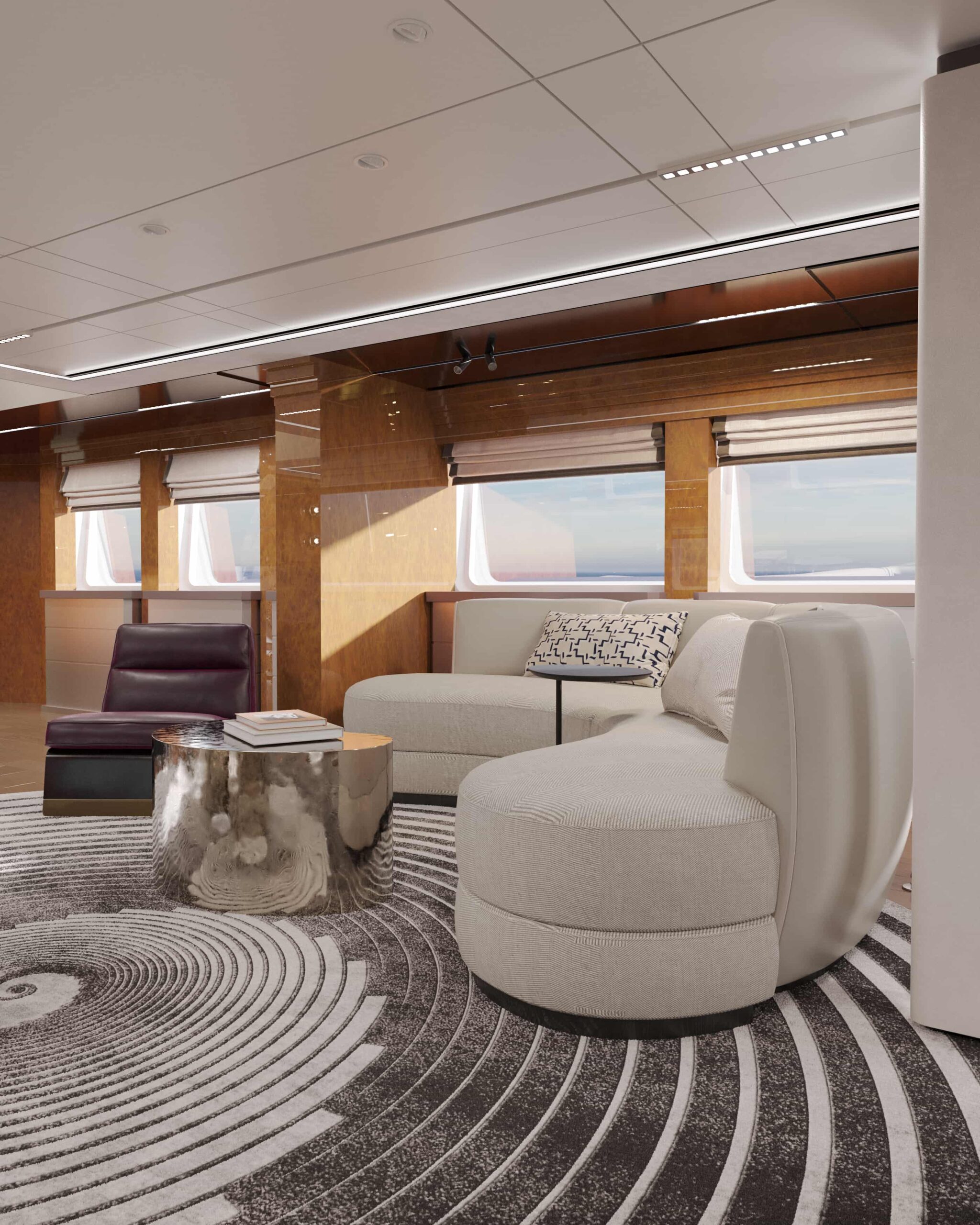
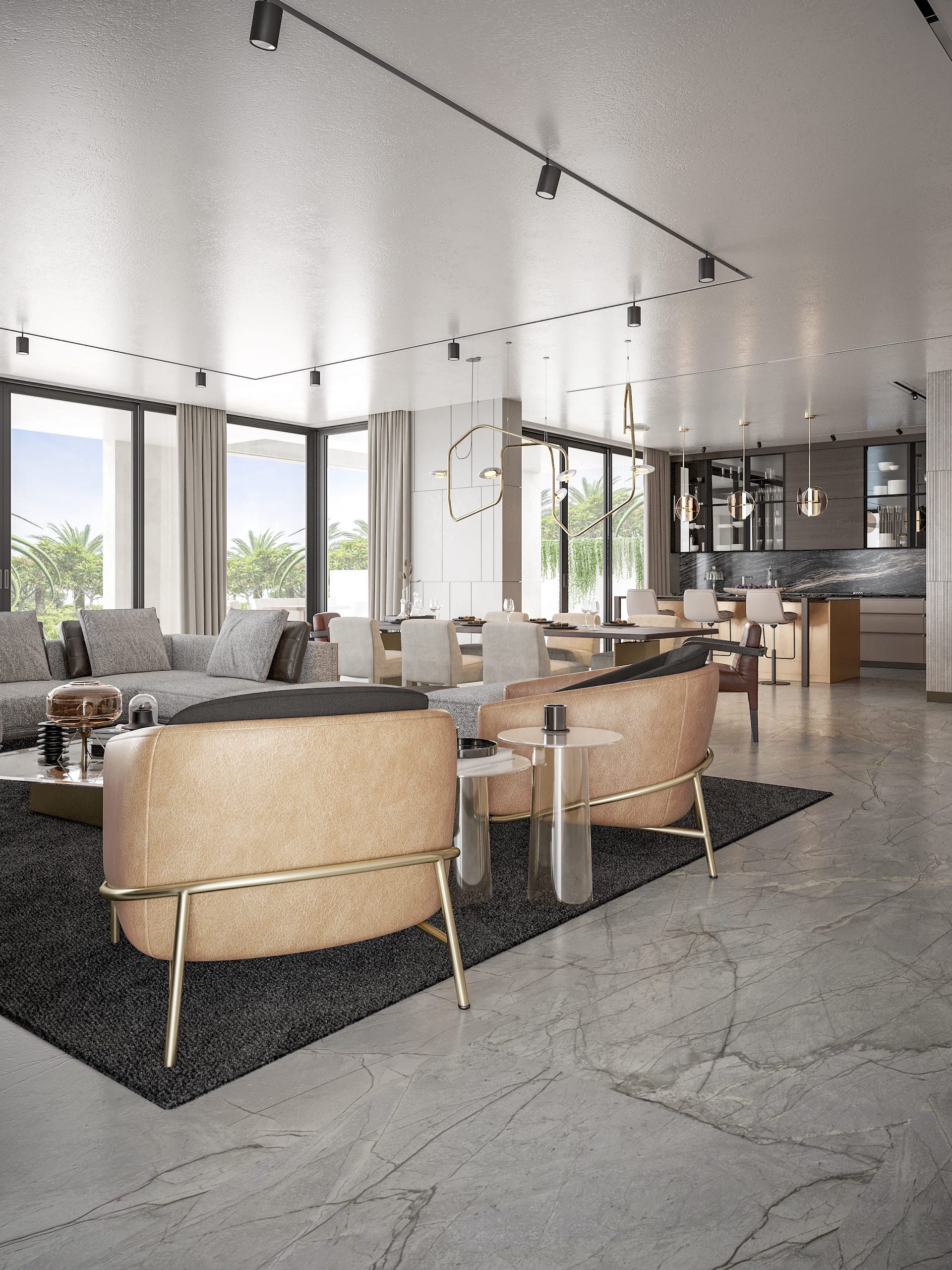
Effective space planning is fundamental to creating an organized and efficient home environment. A well-thought-out room layout ensures that every square foot is utilized optimally. Whether a small apartment design or a spacious residence, prioritizing functionality while maintaining an open, flowing design is key. Open-concept living spaces have become increasingly popular, integrating living, dining, and kitchen areas into a cohesive design that maximizes usability and enhances social interaction. Residential interior designers often use zoning techniques, statement rugs, and varied lighting to define different areas within an open-plan space without compromising fluidity.
Color Schemes and Material Selection
Colors significantly impact the mood and ambiance of a home, setting the tone for the entire interior. Warm tones create coziness and intimacy, while neutral palettes offer timeless elegance and versatility. Cool tones, such as blues and greens, evoke tranquility and relaxation. Residential interior decorators emphasize the importance of choosing home design colors that reflect the desired atmosphere while maintaining harmony with furniture and decor.
Material selection plays an equally vital role in achieving a well-balanced residential interior design. Durable, high-quality materials such as natural wood, marble, and eco-friendly composites enhance both aesthetics and longevity. Sustainable materials are becoming increasingly popular as homeowners prioritize environmentally conscious choices, opting for reclaimed wood, bamboo, and low-VOC paints to create healthier living spaces.
Furniture and Decorative Elements
Furniture design should complement the overall aesthetic while serving practical purposes. Thoughtfully chosen pieces contribute to both comfort and style, ensuring that the space remains both visually appealing and highly functional. Modern residential interior designers emphasize multi-functional pieces, such as storage-integrated seating, extendable dining tables, and modular sofas, to enhance adaptability in contemporary living spaces.
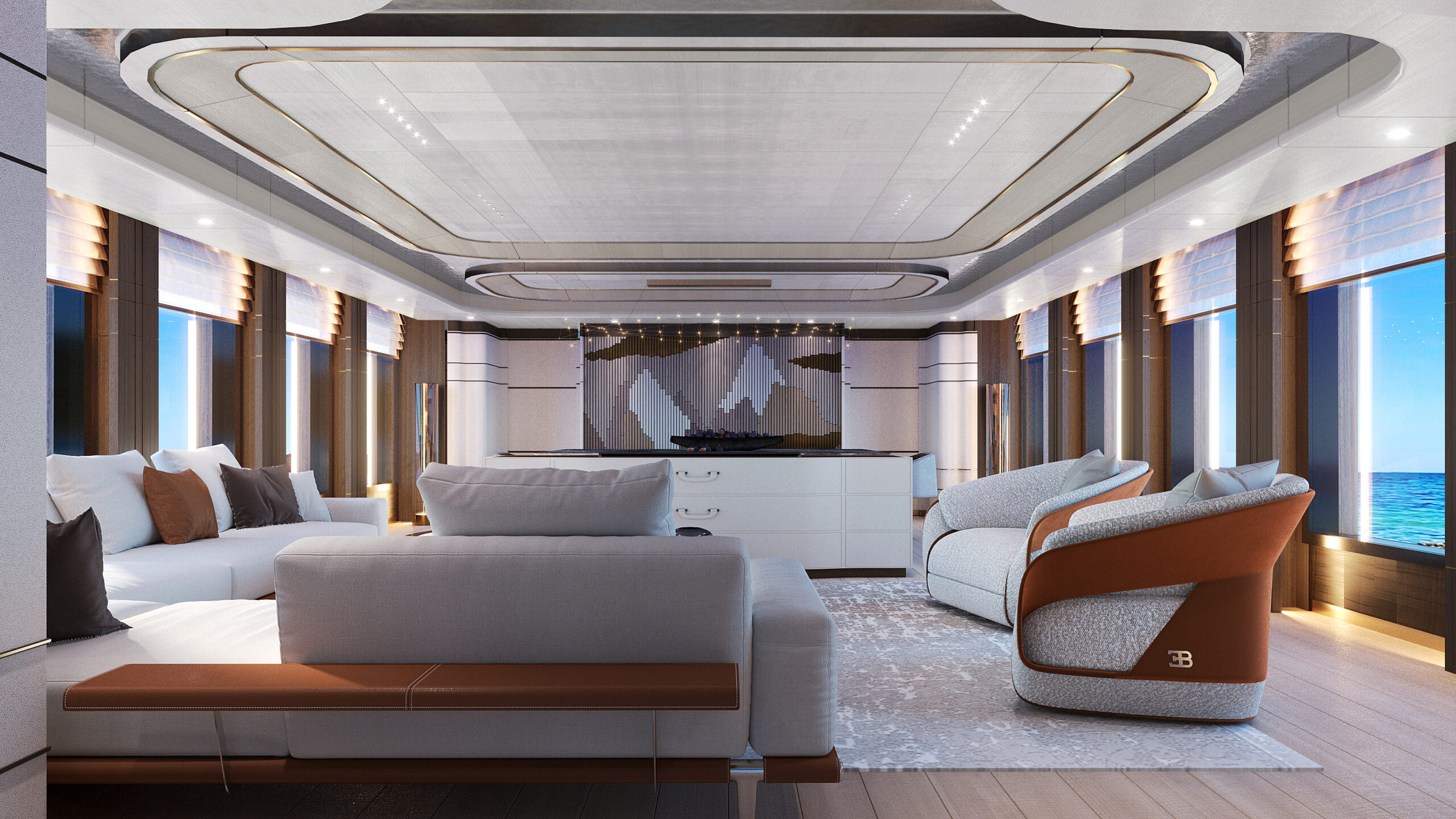
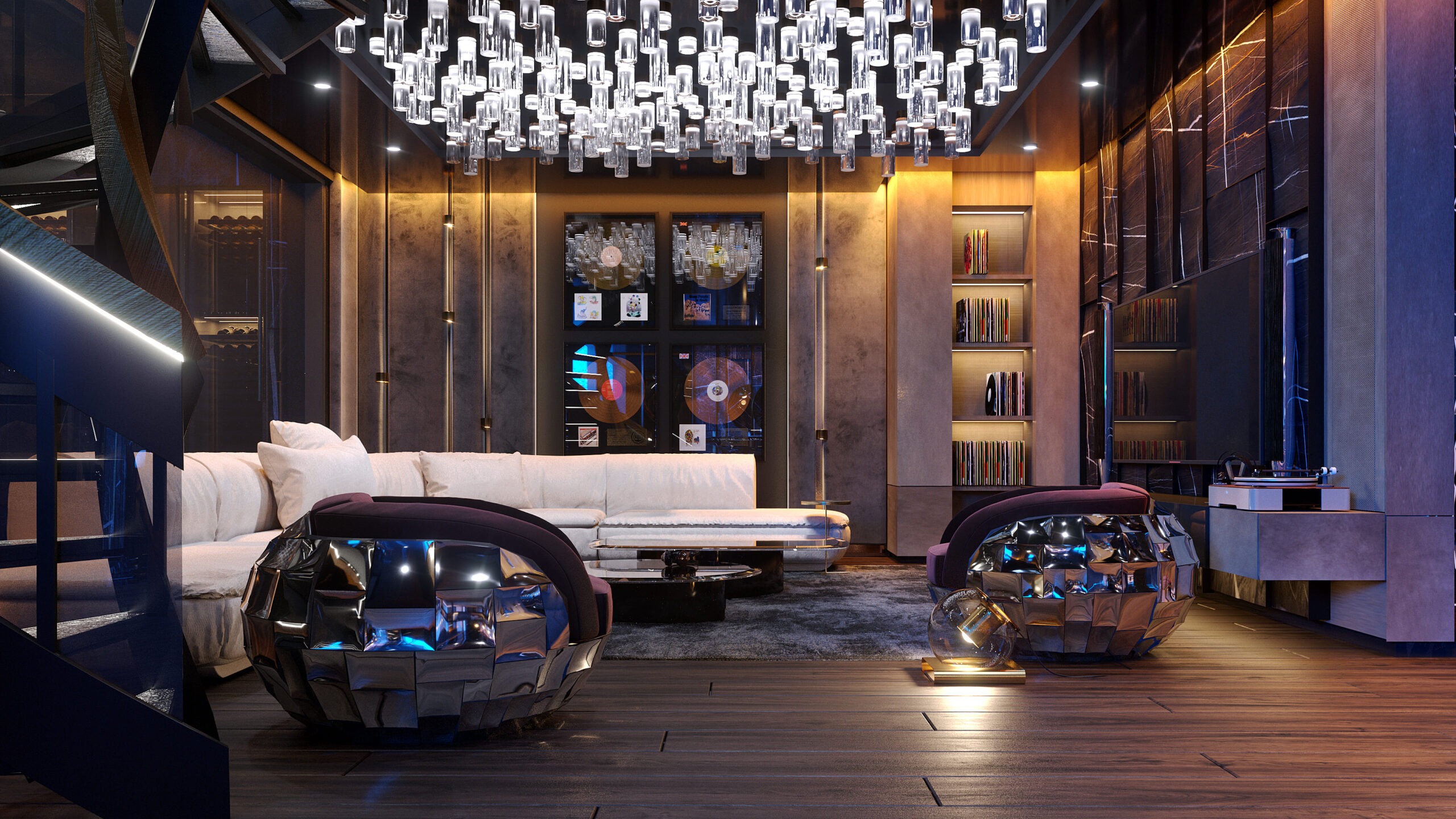
Modern decorative elements play an essential role in defining the personality of a home. Textiles, artwork, and carefully curated accessories add warmth and character, transforming an ordinary space into an inviting retreat. Rugs define seating areas, cushions introduce color contrasts, and statement lighting serves as both a functional necessity and an artistic feature. Residential interior decorators skillfully incorporate home accessories to elevate the overall aesthetic while maintaining a balanced composition.

Creating Functional and Cozy Living Spaces
A home should be more than just visually appealing — it should also support the daily activities and comfort of family room design. Functional living space and cozy interior design go hand in hand when designing a well-balanced interior. The key is to ensure that every element serves a purpose while maintaining a cohesive, inviting ambiance.

Designing for Open-Concept Living
The open-concept design trend is a hallmark of modern home layouts, seamlessly integrating the kitchen, dining, and living areas into one functional space. This layout enhances openness, improves light flow, and promotes interaction among occupants. Open kitchen living concepts replace walls with islands or partial partitions to define areas without restricting movement.
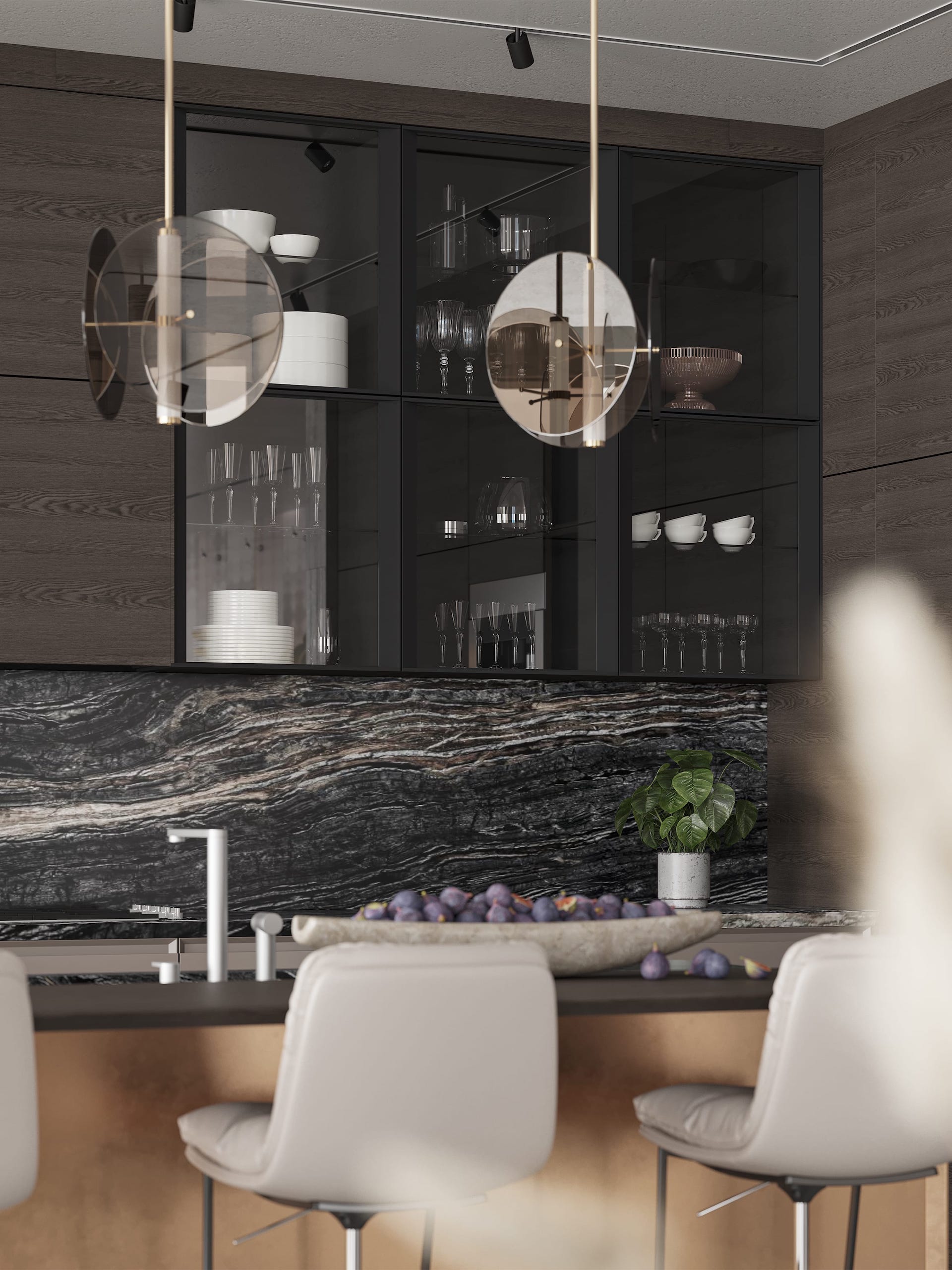
To create harmony, designers use consistent flooring, complementary color schemes, and strategic furniture placement. Kitchen cabinetry and dining furniture should blend with the living space for a cohesive aesthetic. Layered lighting, combining recessed fixtures, pendant lamps, and under-cabinet illumination, enhances functionality while maintaining visual continuity. Well-planned residential interior design in open spaces maximizes both style and efficiency, catering to modern lifestyles.
Maximizing Storage Solutions
Effective storage solutions are crucial for maintaining a clutter-free environment, particularly in home organization of smaller houses. Residential interior decorators incorporate various space-saving ideas such as built-in cabinets, hidden compartments, and vertical shelving to optimize storage without compromising aesthetics. Custom storage solutions, such as floor-to-ceiling bookshelves, under-stair drawers, and multi-purpose furniture, enhance space efficiency. Utilizing a combination of concealed and open shelving helps maintain a balanced look, allowing homeowners to display curated decor while keeping essentials neatly tucked away.
Incorporating Natural Light
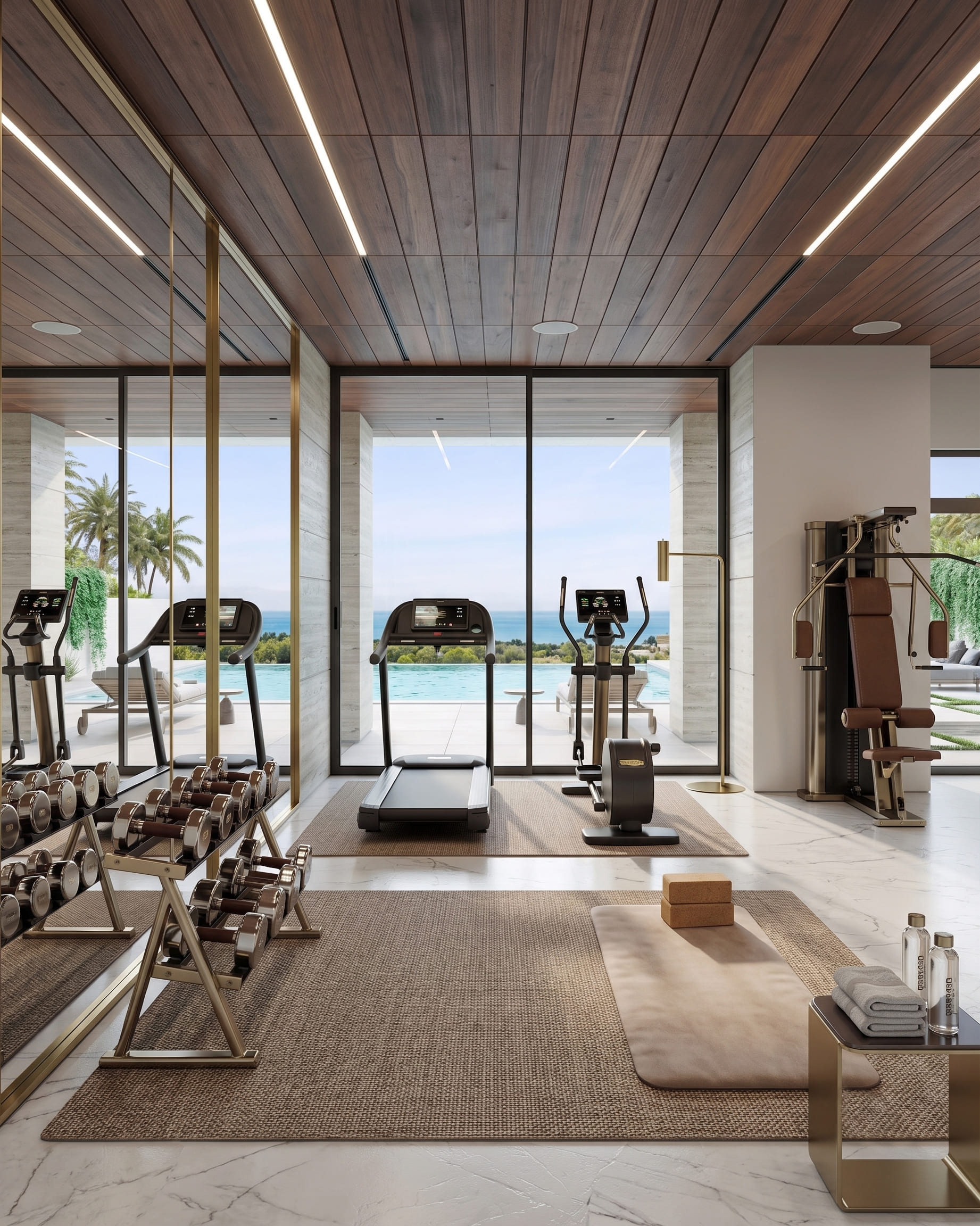
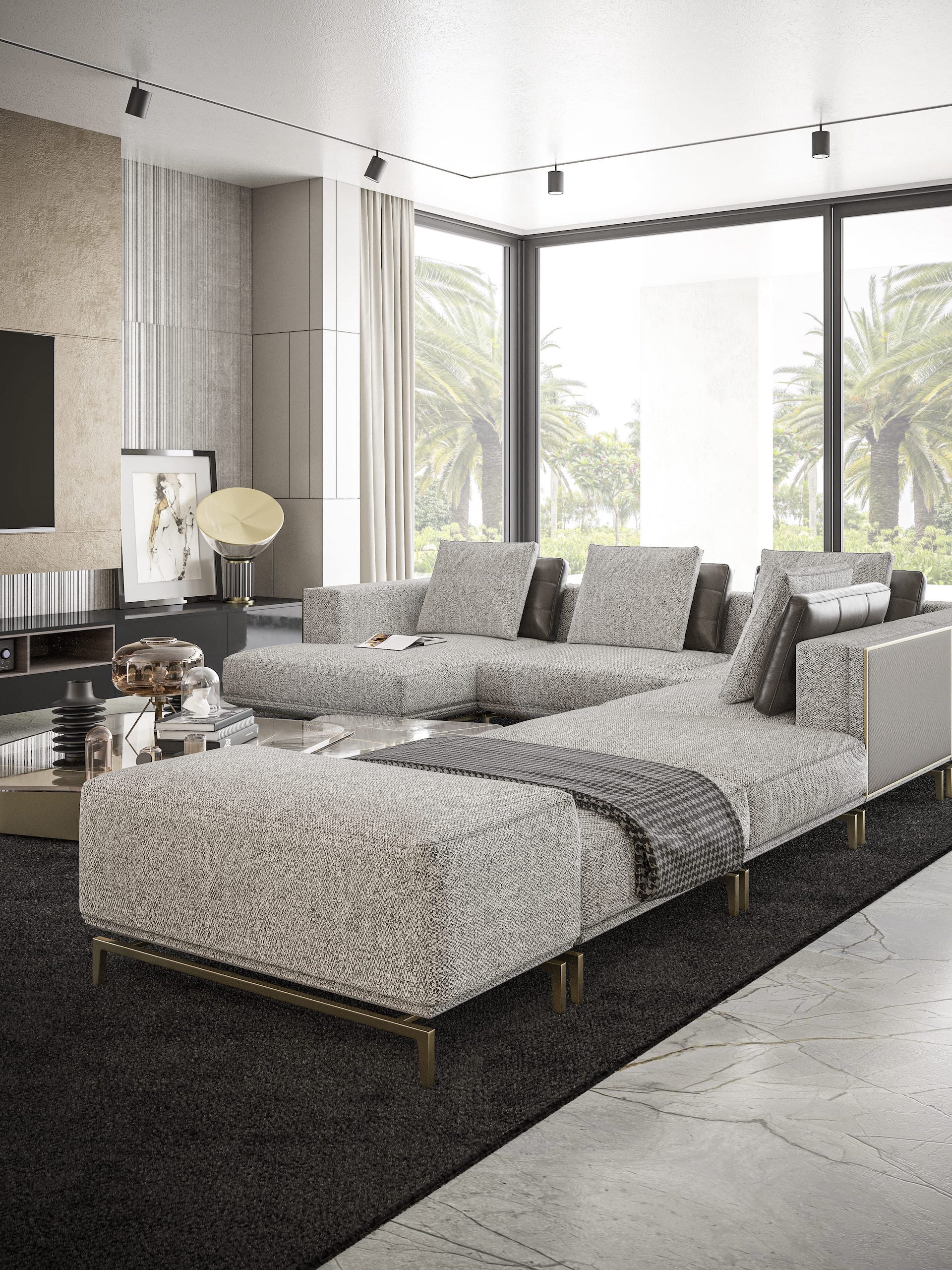
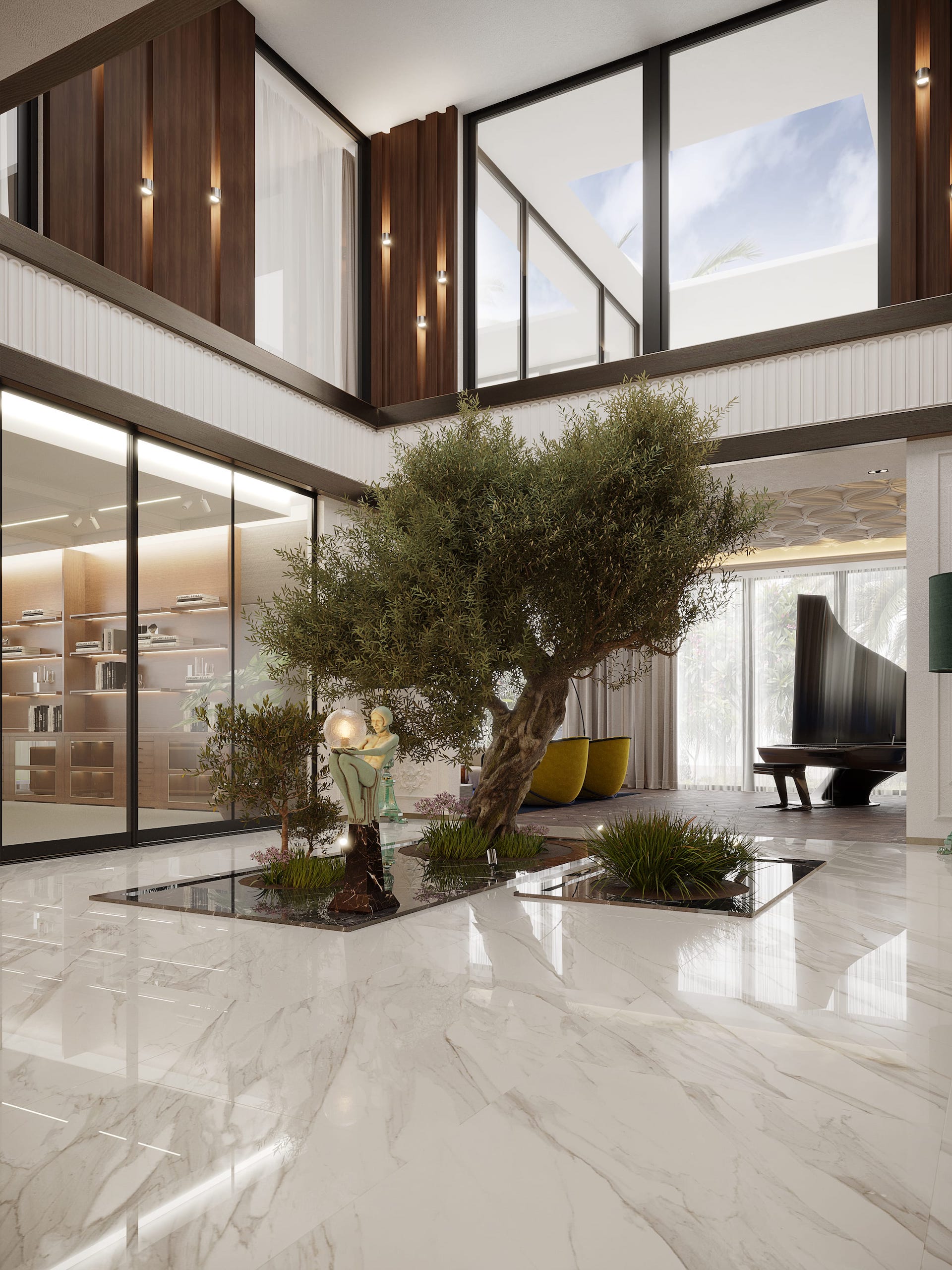
Lighting plays a fundamental role in residential interior design, influencing both aesthetics and functionality. Large window design, skylights, and glass doors enhance natural illumination and daylighting, reducing reliance on artificial lighting while making spaces feel more expansive and welcoming. Sheer curtains, strategically placed mirrors, and light-reflecting surfaces further amplify brightness, adding an airy, open feel to the interiors. Smart lighting solutions, such as dimmable LED fixtures and automated window treatments, enable homeowners to control light levels according to mood and time of day.
Interior Design Styles for Residential Spaces
There are numerous designs, from minimalist interiors to Scandinavian style, available for homeowners, each offering a distinct character and charm. Choosing the right interior design style depends on personal preferences and lifestyle needs. Understanding various styles ensures a cohesive and personalized home environment. Below are some of the most popular styles for residential interior design:
Modern and Contemporary Interior Design
Modern interior design emphasize simplicity, clean lines, and functionality. Materials like glass, metal, and wood create a sleek and sophisticated aesthetic. Interior design residential approaches often incorporate open layouts, neutral tones with bold accents, and minimalistic furniture. Strategic use of geometric forms, high-tech elements, and natural light enhances the contemporary appeal, ensuring a clutter-free yet inviting ambiance. Large-scale windows, polished concrete floors, and streamlined furniture contribute to the overall modern aesthetic.
Contemporary home decor, often used interchangeably with modern, is slightly different in that it evolves with trends. It embraces softer curves, varied textures, and artistic elements that add a dynamic touch. While modern interiors focus on minimalism, contemporary design allows for more fluidity in styling, integrating diverse materials and colors for a balanced yet innovative space.
Classic and Traditional Interior Design
Traditional interiors focus on timeless elegance, featuring intricate woodwork, antique furniture, and rich color palettes. Classic designs exude warmth and sophistication while preserving historical influences. Symmetry and balance play a central role, with ornate moldings, luxurious textiles, and classic furnishings contributing to the grandeur of residential interior designs rooted in tradition. Chandeliers, large-scale drapery, and plush carpets are signature elements of traditional decor. The emphasis is on craftsmanship, quality, and details that bring an air of refinement to the space.
Scandinavian and Cozy Interiors
Scandinavian design embraces minimalism, functionality, and comfort. Neutral tones, natural materials, and cozy textiles define this style, making it ideal for those seeking a serene yet stylish home atmosphere. The emphasis is on creating a bright, airy environment through light woods, white walls, and plush textures that promote relaxation and well-being. Layering soft textiles, such as wool rugs and linen drapes, enhances the inviting ambiance, while sleek, well-crafted furniture maintains the minimalist appeal.
A defining element of Scandinavian interiors is the hygge style — a Danish philosophy that prioritizes cozy interiors, warmth, and a sense of well-being. Soft lighting, candle arrangements, and simple yet effective storage solutions contribute to this aesthetic, making it a preferred choice for those who want a harmonious, clutter-free environment.
Sustainable and Eco-Friendly Interior Design
Sustainability is an important consideration in modern interior design. Eco-friendly design focus is on contributing to a healthier home environment while reducing environmental impact. By choosing sustainable design options and eco-friendly materials, you can create a green home design that supports both your health and the planet’s well-being.
Using Sustainable Materials
Eco-conscious design incorporates sustainable materials such as bamboo, natural wood, and recycled metal. These choices not only reduce environmental impact but also add a unique character to interiors. High-efficiency insulation and low-emission materials contribute to improved indoor air quality, making homes healthier and more environmentally responsible. Choosing eco-friendly furniture, for example energy-efficient windows, non-toxic finishes, and biodegradable materials, enhances both sustainability and aesthetic appeal.
Energy Efficiency and Smart Homes
Smart home technology enhances convenience, energy efficiency, and sustainability. Automated lighting, thermostats, and eco-friendly appliances contribute to sustainable living while optimizing comfort. Integrating energy-efficient design principles, such as passive design strategies like cross-ventilation and thermal mass materials, further boosts energy efficiency in residential interior design. Smart thermostats adjust to daily routines, reducing energy waste, while LED lighting systems ensure long-term savings and sustainability. Additionally, green building solutions can be incorporated to create a more environmentally friendly and energy-efficient home.
In conclusion, residential interior design goes beyond aesthetics, playing a crucial role in creating functional living spaces that enhance both comfort and practicality. Thoughtful home decor choices can transform your living environment, ensuring it is not only visually appealing but also tailored to meet your needs. By focusing on modern home design principles, you can create a space that promotes relaxation, productivity, and well-being, making your home a place to truly enjoy every day.