Meditation and relaxation spaces in luxury homes
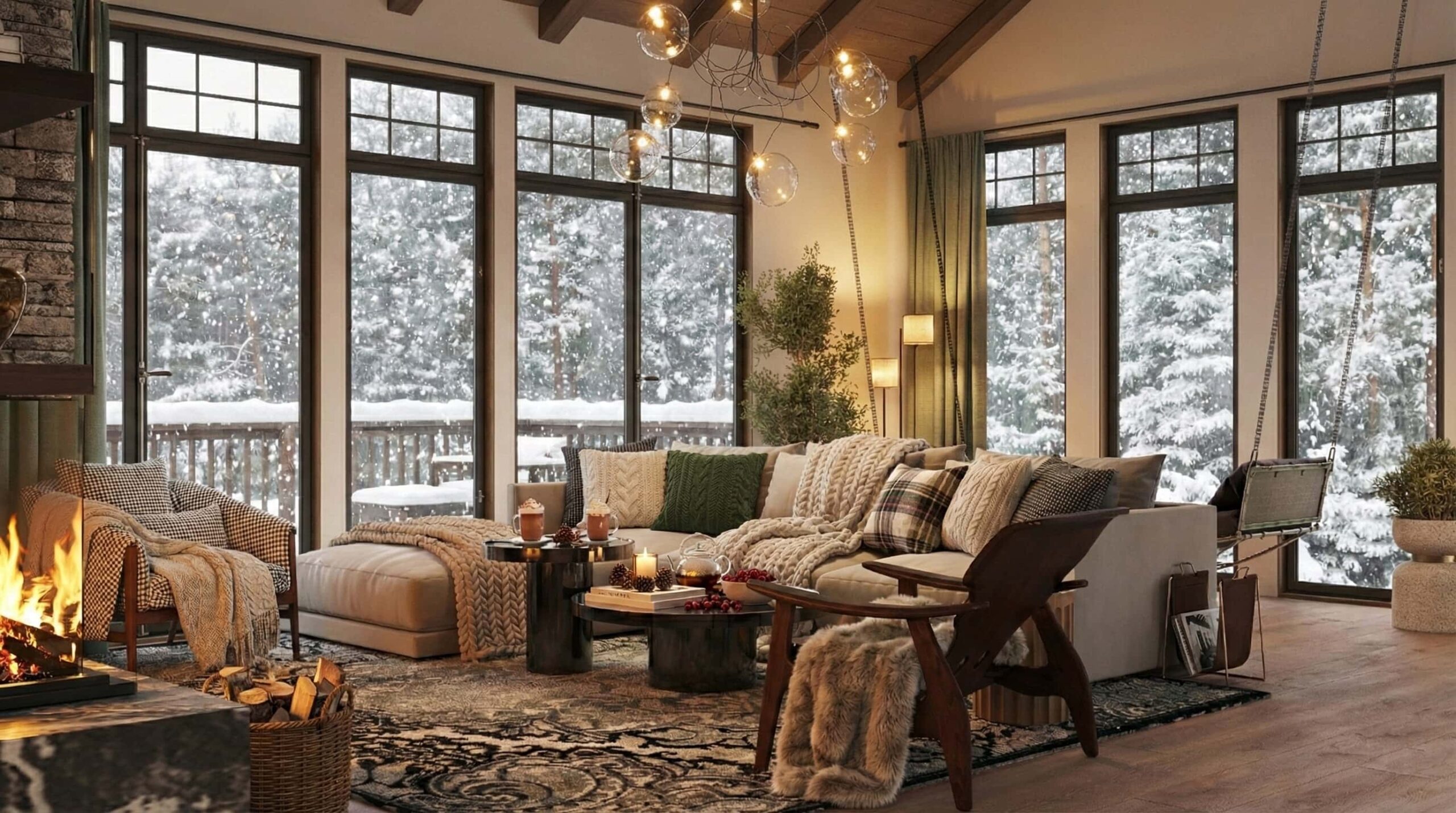
In today’s fast-paced world, luxury homeowners are increasingly prioritizing wellness and tranquility in their living spaces. A dedicated meditation and relaxation area provides a serene retreat from daily stress, promoting mental clarity and emotional balance. Whether designing a cozy relaxing room or a grand luxury meditation room, thoughtful planning and design choices can transform a simple corner into a sanctuary of peace. This article explores meditation room decor ideas, architectural considerations, and essential elements to create the ultimate zen home design.
Key features of a meditation and relaxation space
A meditation space design is more than just a dedicated area—it is a retreat that nurtures mindfulness and repose. Thoughtfully curated elements help transform an ordinary room into a sanctuary for stillness, balance, and rejuvenation. Essential considerations include:
- Location – choosing a quiet and calm home environment is fundamental to maintaining focus and solitude. The ideal setting should be shielded from high-traffic zones, ensuring a sense of detachment from everyday distractions.
- Lighting – proper illumination plays a significant role in creating a calming atmosphere. Soft, warm lighting—whether from natural sources, dimmable LED fixtures, or strategically placed candles—helps to cultivate a serene ambiance.
- Natural materials – the use of organic materials such as wood, stone, bamboo, and natural fibers fosters a deep connection with nature. These elements provide grounding energy, reinforcing the tranquility essential to a luxury meditation room.
- Aromatherapy and soundscapes – scents and sounds influence the mind’s ability to relax and focus. Essential oils like lavender, sandalwood, or eucalyptus can be incorporated through diffusers or scented candles to establish a meditative environment.
- Comfortable seating -ergonomic seating arrangements ensure that extended meditation sessions remain comfortable. Plush floor cushions, supportive chairs, or even hammocks can provide a sense of weightlessness and relaxation.
By integrating these elements, homeowners can cultivate luxury relaxation zones that supports peace, introspection, and overall well-being.

Selecting the right location for your relaxation space
Meditation room location is just as critical as its design. An optimal location enhances the effectiveness of the space by minimizing distractions and fostering a deep sense of peacefulness. Factors to consider include:
- Seclusion: The best meditation spaces are removed from the hustle and bustle of daily life. A location far from entertainment areas, kitchens, or busy hallways ensures that the environment remains undisturbed.
- Natural views: Being surrounded by nature can elevate the meditation experience. A space overlooking a garden, courtyard, or body of water can evoke a profound sense of tranquility. If natural views are unavailable, incorporating large houseplants or vertical gardens can simulate an organic atmosphere.
- Acoustic isolation: External noise can be disruptive to meditation and relaxation. Homeowners can improve acoustic comfort by installing thick drapes, rugs, or even acoustic panels.
Ideal home relaxation areas include quiet spaces, underutilized guest rooms, attic spaces, converted walk-in closets, or even customized outdoor pavilions.
Creating the ideal atmosphere for meditation
A meditation space should evoke calmness and mindfulness through intentional design. The right combination of color, lighting for meditation, and minimalism fosters an environment that supports deep relaxation. Consider these elements when curating an optimal meditation setting:
- Soft, warm lighting – lighting should be gentle and adaptable to different meditation practices. Dimmable LED fixtures, Himalayan salt lamps, or flickering candlelight add warmth and depth to the room. Avoid harsh, overhead lighting that disrupts relaxation.
- Natural color palette – natural materials in design of a meditation space significantly impact emotional well-being. Earthy tones such as soft beiges, muted greens, warm grays, and natural whites create a grounding atmosphere.
- Minimalistic décor – clutter-free spaces allow for a clearer mind. Minimalist design principles—featuring clean lines, open spaces, and carefully curated objects to ensure that the environment does not feel overwhelming.
By incorporating these intentional design choices, homeowners can establish an environment that promotes calming atmosphere, self-reflection, and clarity of mind.
Integrating comfortable and functional furniture
Selecting the right furniture is essential for creating a meditation space that is both aesthetically pleasing and highly functional. Consider the following elements:
- Meditation furniture – proper posture and comfortable seating is essential for extended meditation sessions. Ergonomic meditation chairs, zafu cushions, or even Japanese tatami mats provide firm yet comfortable support.
- Low tables and zen furniture – minimalist, organic furniture designs help establish a sense of tranquility. A low-profile table can hold incense, candles, or spiritual objects while maintaining a clean and simple aesthetic.
- Storage solutions – organization is key to maintaining a serene environment. Built-in cabinets, floating shelves, or hidden compartments keep meditation essentials neatly stored and out of sight.
Designing a zen-inspired space in luxury homes
Creating a zen design in a luxury home requires a delicate balance between minimalist meditation spaces, natural elements and sophistication. How to integrate these elements into a luxury interior of your house? Key considerations for luxury zen rooms should include:

Incorporating natural elements into your meditation room
Natural materials establish a deeper connection with nature, reinforcing the meditative essence of the space.
- Stone and wood design – stone walls, wooden floors, and bamboo furnishings introduce warmth and authenticity. These materials age beautifully and contribute to a timeless aesthetic.
- Water features and plant life – a small indoor fountain, reflecting pool, or wall-mounted waterfall provides soothing sounds that enhance relaxation. Meanwhile, greenery—such as bonsai trees, moss walls, and air-purifying plants—improves both air quality and overall ambiance.
- Zen room elements – handmade ceramics, woven rugs, and tactile fabrics add subtle layers of texture while maintaining a sense of simplicity. Soft, natural scents from essential oils or incense further enhance the meditative atmosphere.
By integrating these natural materials, homeowners can create a meditation space that fosters harmony, mindfulness, and a profound sense of well-being.
Sound and aroma for relaxation
Calming sound and scent have a profound impact on relaxation and meditation, helping to deepen focus and enhance the sensory experience. To create an immersive environment, consider:
- Sound therapy – gentle wind chimes, water features, and soft instrumental music help mask external noise and create a tranquil setting. Incorporating binaural beats or guided meditation soundtracks can further enhance mindfulness practices.
- Aromatherapy for relaxation – essential oils such as lavender, sandalwood, and frankincense promote relaxation and emotional balance. A discreet diffuser ensures a continuous, subtle aroma without overwhelming the senses.
By curating a multi-sensory experience, homeowners can maximize the effectiveness of their meditation and relaxation spaces, making them more inviting and rejuvenating.
Spaciousness and light in meditation areas
A well-lit and open meditation space fosters a sense of freedom and connection with the surrounding environment. To enhance spaciousness and natural light, consider the following:
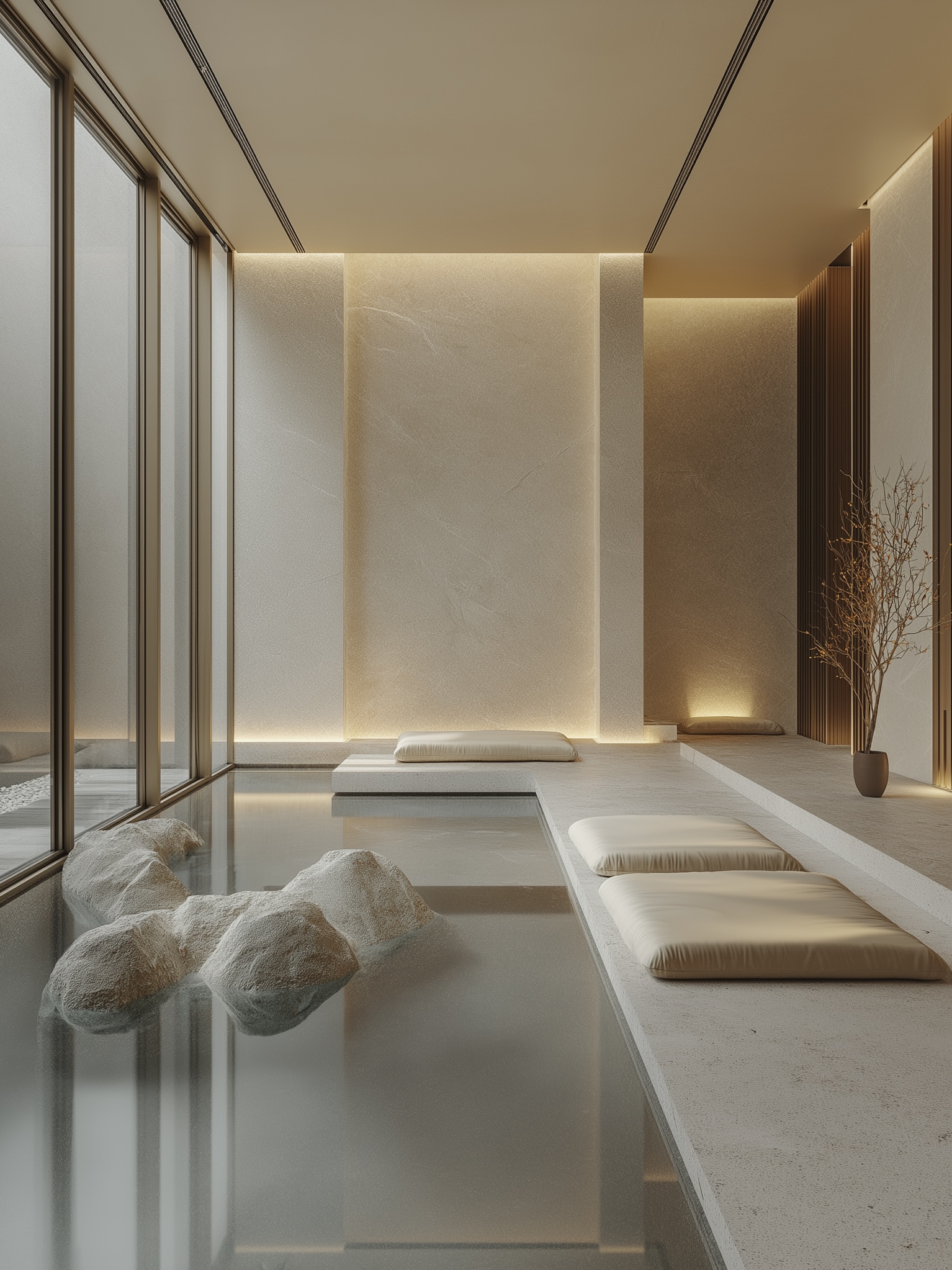
- Expansive windows – floor-to-ceiling meditation room windows provide a direct visual connection with nature, reinforcing a sense of tranquility and openness. If privacy is a concern, sheer curtains or frosted glass panels maintain seclusion without blocking natural light.
- Reflective surfaces – mirrors and polished stone finishes amplify natural light, making even smaller meditation areas feel more expansive and airy.
- Minimalist Furnishings – light-colored, streamlined furniture helps prevent visual clutter. Low-profile seating options, such as meditation cushions and floor-level recliners, contribute to a serene atmosphere while maintaining comfort.
Strategic spacious design choices ensure that meditation areas feel calming, reinforcing a deep sense of peace and mindfulness.
Enhancing wellness with luxury meditation spaces
As wellness design becomes a priority in luxury homes, luxury relaxation rooms go beyond aesthetics—they serve as intentional spaces for wellness and rejuvenation. By prioritizing well-being in design, owners can experience significant home meditation benefits.
Promoting mental health and inner peace
A dedicated mental health space at home fosters inner peace and stress relief. Thoughtful design enhances relaxation and mindfulness.
- Calming atmosphere – soft, neutral tones and natural materials help create a grounding environment that promotes relaxation.
- Stress relief elements – the integration of aromatherapy, meditation cushions, and biofeedback tools can support deeper meditative states, helping to reduce anxiety and improve overall well-being.
- Personalized touches – customizing the space with meaningful objects—such as personal affirmations, serene artwork, or symbolic décor—adds a unique touch that fosters emotional connection and self-reflection.
Yoga and movement spaces in luxury homes
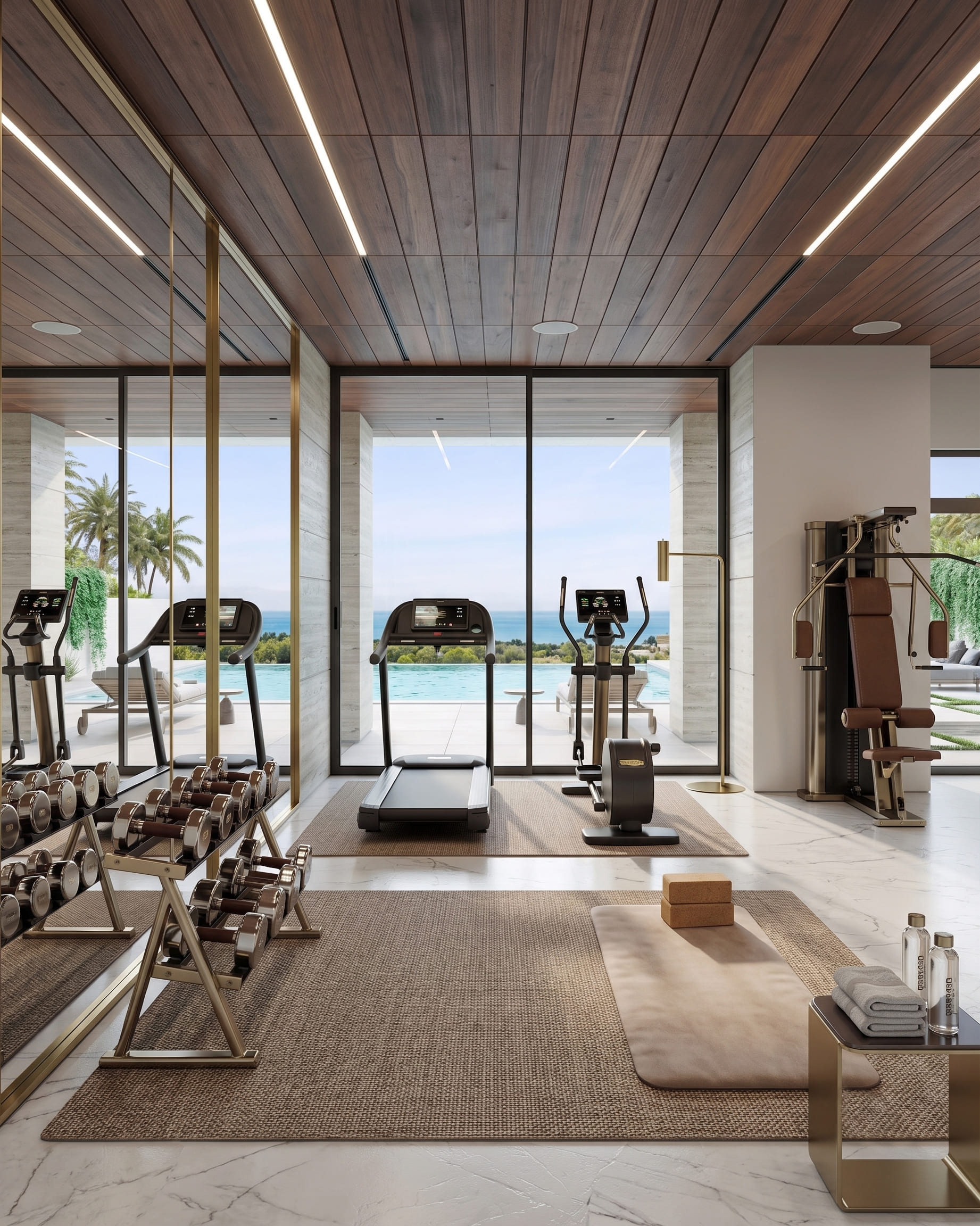
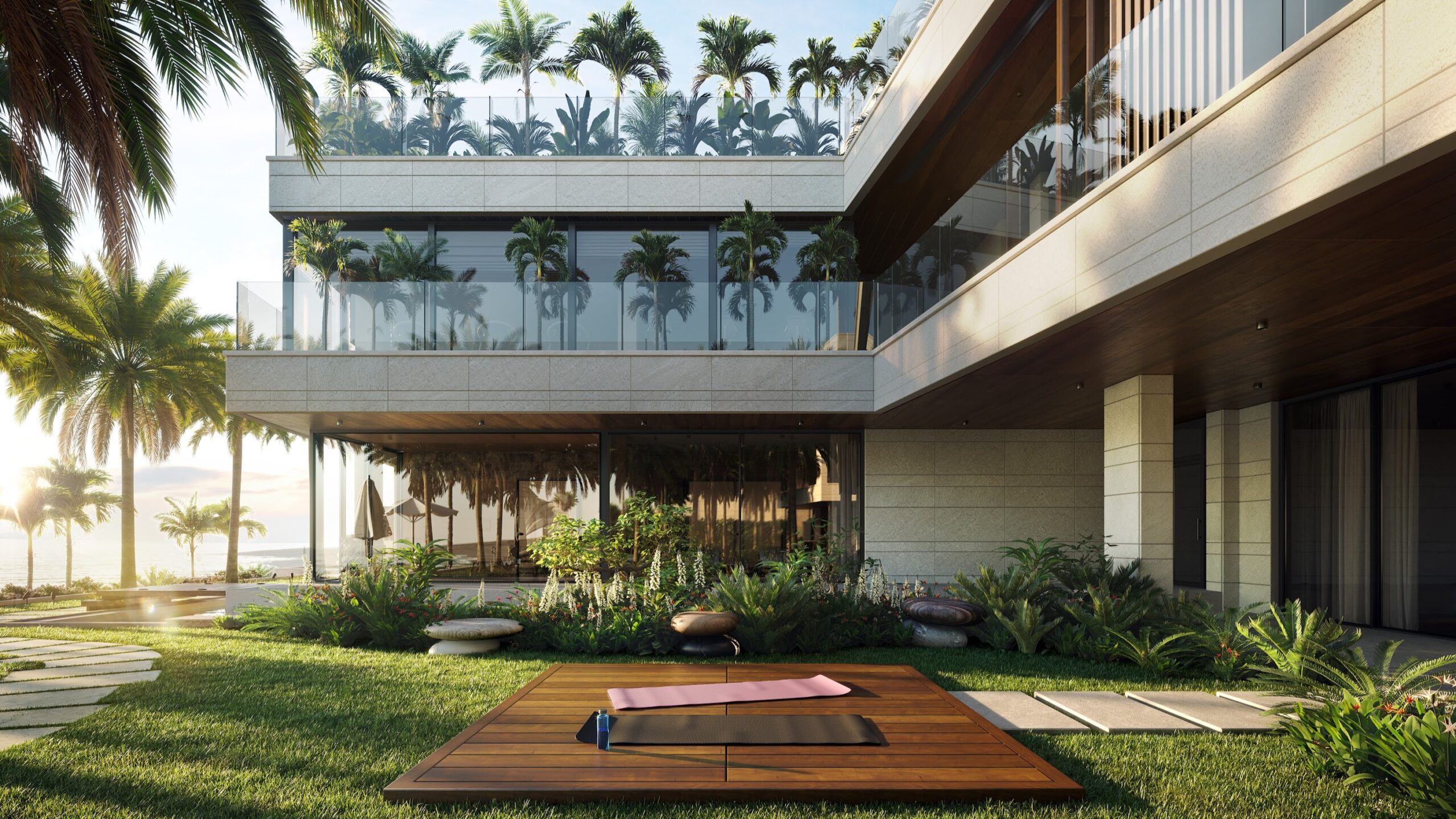
A dedicated yoga space or movement area within a luxury home provides an ideal setting for physical and mental rejuvenation.
- Optimized layout – open, uncluttered spaces with natural wood or cork flooring provide the perfect surface for yoga, stretching, or breathwork exercises.
- Smart enhancements – adjustable lighting, temperature controls, and smart sound systems allow for personalized, more effective workout sessions.
Designed with both aesthetics and functionality in mind, these luxury fitness room elevate well-being while maintaining a serene ambiance.
The role of technology in meditation spaces
Integrating smart meditation technology into zen spaces enhances functionality without disrupting the tranquil environment. Thoughtfully implemented tech features can optimize relaxation experiences:
- Smart lighting – circadian rhythm-based lighting systems automatically adjust brightness and color temperature throughout the day.
- App-controlled soundscapes – homeowners can customize meditation sessions using mobile relaxation apps that play guided meditations, nature sounds, or binaural beats to enhance relaxation.
- Biometric tracking – wearable devices and smart sensors monitor heart rate, breathing patterns, and stress levels, providing insights to optimize meditation practices.
- Voice-activated control – smart home meditation assistants enable hands-free adjustments, allowing users to modify lighting, sound, and aromatherapy settings with simple voice commands.
Creating a luxury meditation room is a profound investment in personal well-being. Thoughtful wellness home design, carefully chosen materials, and smart technology integration transform an ordinary space into a sanctuary of peace. By prioritizing relaxation spaces for luxury homes, homeowners can cultivate mindfulness, balance, and rejuvenation in their everyday lives.