Home Workshops and Studios for Creative Individuals
For artists, designers, musicians, crafters, and makers of all kinds, creativity often begins at home. Having a dedicated home studio or home workshop offers more than just convenience — it fosters inspiration, productivity, and personal expression. Whether you’re a seasoned professional or an enthusiastic hobbyist, transforming a part of your living space into a functional, inspiring environment can dramatically improve your creative workflow and enjoyment. In this guide, we’ll explore how to plan, set up, and personalize your space, blending functionality with flair to build the perfect home workshop or home studio tailored to your needs.
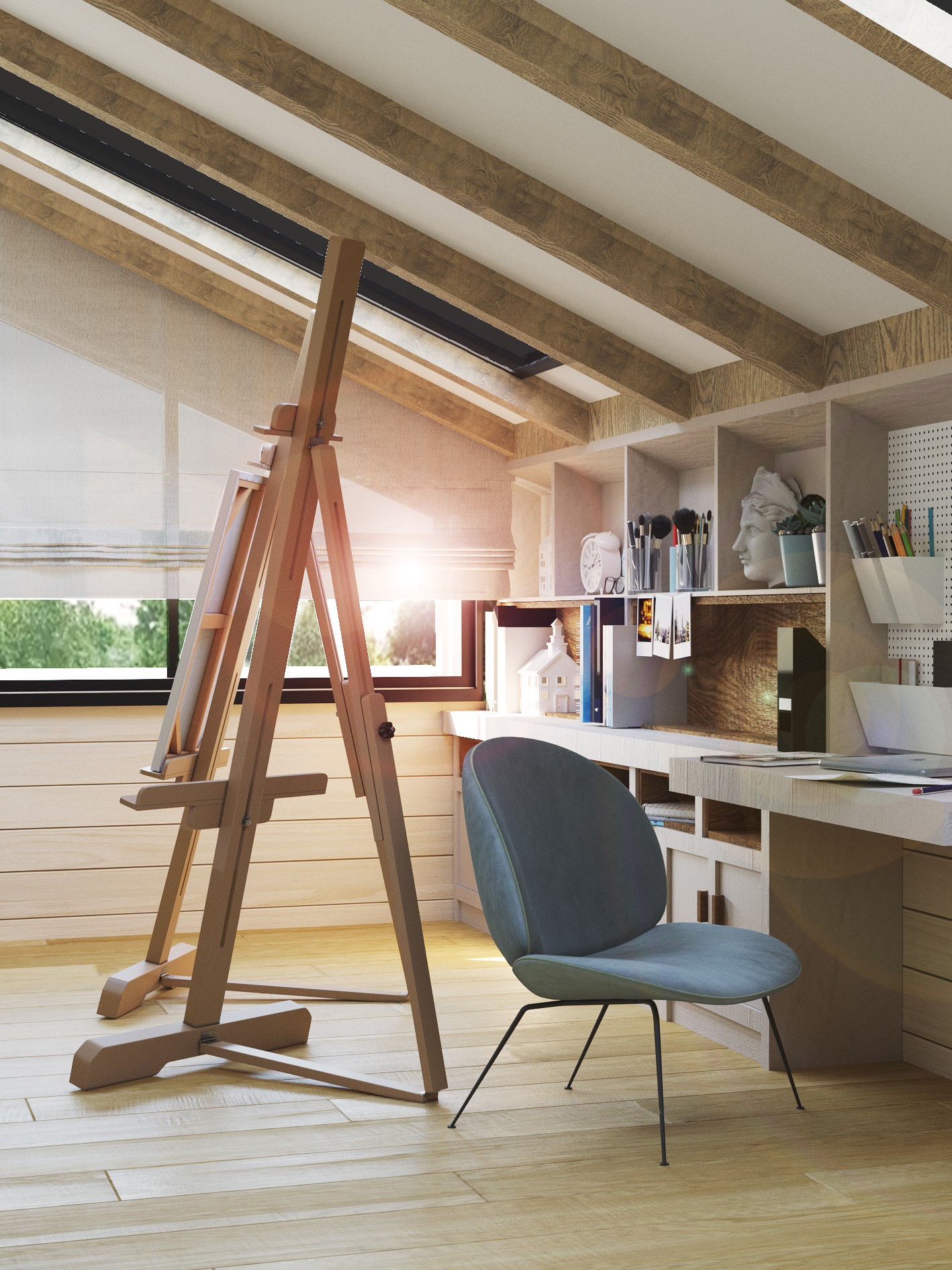
Planning Your Home Workshop Design
Before picking up a hammer or sketching out a layout, every successful creative space begins with thoughtful planning. Your home workshop design should reflect your artistic goals, available space, and the nature of your work. Whether you’re welding metal sculptures, painting canvases, or building furniture, planning ensures that every square foot of your home studio contributes to comfort, inspiration, and efficiency.
Consider your medium and how it influences your setup. For instance, a woodworker might prioritize dust control and tool accessibility, while a digital artist may focus on soundproofing and proper lighting. If your home studio will double as a multifunctional area, such as a guest room or storage space, clear zoning and smart organization will be essential.
Choosing the Right Space for Your Home Studio
Selecting the ideal location is crucial for your home workshop design. Your space should accommodate your work without compromise, while remaining accessible and enjoyable to use. Attics, basements, spare bedrooms, garages, and even converted garden sheds can become excellent home studios or home workshops with the right planning.
Natural light is often a game-changer, especially for visual artists. A room with large windows can reduce eye strain and enhance color accuracy, while also boosting your mood and motivation. On the other hand, if you’re a musician or podcaster, noise isolation and soundproofing will be more important than sunlight. You’ll also want to be close to power outlets, ventilation sources, and — ideally — running water, especially if you work with paints, clay, or chemicals.
Layout and Zoning for Functionality
Efficient layout and zoning can elevate even the smallest home workshop design. Think of your space as a series of activity zones — each serving a specific purpose. A successful layout might include:
- A work zone, for crafting, drawing, building, or recording
- A storage zone, where tools, supplies, and materials are kept within easy reach
- A clean zone, for computer work, sketching, or finishing tasks
- A relaxation or inspiration corner, where you can take breaks, reflect, or brainstorm
By clearly defining these zones, your workspace will not only look more organized but will also promote smoother workflows and fewer distractions. Consider using open shelving, pegboards, or modular furniture to keep things flexible and adaptable for the home workshop.

Setting Up a Creative Home Workshop
Setting up your home workshop or studio is a personal journey — one that combines utility with inspiration. The process isn’t about copying a style from a magazine; it’s about shaping a space that resonates with your creative energy, meets your functional needs, and makes you excited to start working every day. Whether you’re a full-time maker or a weekend hobbyist, your environment should reflect the unique rhythm and demands of your craft.
Start by visualizing your daily routine. What do you reach for first? How much space do you need to spread out? Do you switch between messy and clean tasks, analog and digital work? The answers to these questions will help guide decisions around furniture, layout, and storage systems.

Essential Tools and Storage Solutions
No matter what medium you work in, one thing is universally true – an organization supports creativity. When your tools and materials are easily accessible, you spend less time searching and more time doing what you love. Cluttered spaces often lead to mental clutter, and for creative individuals, that can stall progress or dampen motivation. That’s why choosing the right tools and storage systems is foundational to any successful home workshop design.
Here are some essentials for an efficient home studio or home workshop:
- Wall-mounted tool racks to keep equipment visible and accessible
- Drawer organizers for small supplies like screws, beads, or ink
- Rolling carts to move tools between work areas
- Heavy-duty workbenches or adjustable desks that support your craft
- Vertical shelving to maximize storage in tight spaces
And don’t forget about maintenance — your storage solutions should be as easy to clean and rearrange as they are to use. A tidy studio sets the tone for productive sessions and helps prevent burnout by eliminating one more source of frustration.
If you’re on a budget, repurposing furniture or building your own shelves can be just as effective. Many creatives transform kitchen carts, bookshelves, or even old filing cabinets into studio-friendly fixtures with a bit of paint and creativity.
Whether you’re crafting, composing, building, or painting, an organized workspace is one of the best investments you can make in your creative life. With the right tools, clear systems, and thoughtful layout, your home workshop becomes more than a workspace — it becomes a sanctuary for creation.
Lighting and Ambiance for Creative Work
Lighting does more than illuminate — it shapes mood, reduces eye strain, and highlights detail. Depending on your creative focus, the lighting requirements of your home workshop may vary. Natural daylight bulbs offer excellent color accuracy for painters and illustrators, while directional task lights are indispensable for intricate work like jewelry making or sewing.
Use a layered approach to lighting:
- Ambient lighting — overhead lights for general illumination
- Task lighting — adjustable lamps or spotlights for detail-oriented work
- Accent lighting — string lights, sconces, or LEDs to set the mood
Choose lighting that supports your specific craft. For example, artists should look for full-spectrum bulbs with accurate color rendering. Jewelers or model makers may need magnifying lamps with built-in LEDs. Musicians and digital artists might prefer warmer lighting that reduces glare on screens.
You can further enhance ambiance with background music, soothing scents (essential oils or candles), and visual mood boards. Your home studio should be a place where creativity feels effortless.
Inspiring Home Workshop Design Ideas
Design isn’t just about aesthetics — it’s about creating an environment that motivates and empowers you to do your best work. A well-designed home workshop balances visual inspiration with practicality. It encourages focus, reduces stress, and sets the emotional tone for your creative process. Whether you’re building a new space from scratch or transforming an existing corner of your home, the design should align with your creative goals, personality, and workflow.
Keep in mind that the space you build today doesn’t have to stay static — your home studio can grow with you. As your interests shift, your environment can too. That’s part of the beauty of working from home: total creative control over your surroundings.

Minimalist and Modern Workshop Styles
Minimalism is more than a design trend — it’s a philosophy of clarity. In the context of a home studio, it means eliminating distractions so your mind stays focused on the task at hand. Clean lines, open layouts, and uncluttered surfaces allow creative energy to flow freely. And in an age where we’re often overwhelmed by stimuli, having a tranquil, orderly workspace can be a powerful tool for better work and a calmer mind.
Here are a few minimalist and modern home workshop design ideas that can help you achieve that perfect balance of style and simplicity:
- Neutral color palettes with pops of color through art or decor
- Multipurpose furniture, like fold-down desks or mobile storage
- Smart tech integration for music, lighting, or digital workstations
- Vertical tool walls for a clean, gallery-like display of equipment
This style works particularly well for digital designers, photographers, craft makers, and architects — anyone whose creative process benefits from a serene, organized workspace. Plus, minimalism makes it easy to keep your space tidy, which can reduce stress and boost productivity over time.
Personalizing Your Creative Studio
While functionality is essential, your home studio should also reflect your identity. Personalization turns a workspace from a generic room into a deeply inspiring haven. Surrounding yourself with objects that hold meaning — whether they’re artistic, sentimental, or symbolic — can energize your mind and fuel your creative instincts.
Personal touches don’t need to be expensive or extravagant. Often, the most inspiring details come from meaningful items: an old camera that belonged to a grandparent, handmade ceramics picked up while traveling, or sketches from a past project that remind you how far you’ve come.
Here are more ways to personalize your home workshop and make it feel authentically yours:
- Displaying your own work or favorite pieces from fellow creatives
- Choosing color schemes that match your brand or personal style
- Incorporating soft textiles for warmth (rugs, curtains, pillows)
- Using reclaimed or handmade furniture for character and sustainability
Keep in mind that your space is never “finished.” Just like your work, it’s allowed to evolve. Rearranging furniture, changing your lighting scheme, or even just refreshing your wall color can reignite your inspiration. The more your studio reflects who you are and how you work, the more it will support your creative growth.
Building a home workshop or studio is more than a DIY project — it’s a commitment to your creativity, productivity, and well-being. By thoughtfully planning your layout, investing in essential tools, and infusing your personality into the design, you can create a space that not only supports your craft but inspires it.
Whether you’re launching a career from your garage or simply looking for a quiet corner to explore your hobbies, the right home workshop design can make all the difference. Home studio is where passion meets purpose — and where your next great idea comes to life.