Fire Safety in Luxury Homes: Essential Solutions for California
Explore effective firefighting solutions tailored for luxury homes in California to ensure optimal fire safety.
California’s stunning landscapes come with significant challenges, particularly in terms of fire safety in luxury homes in areas prone to wildfires. A combination of hot climates, prolonged dry spells, and strong winds creates an environment where fires can ignite and spread rapidly, devastating entire communities. In such conditions, implementing comprehensive fire extinguishing systems and effective firefighting solutions that operate autonomously, efficiently, and sustainably is essential. For luxury homeowners, the stakes are especially high due to the value of their properties and unique architectural features requiring tailored solutions. This article explores innovative firefighting technologies designed to ensure fire safety in luxury homes while addressing California’s wildfire challenges.
Autonomous Water Storage Tanks: A Reliable Lifeline
One of the critical challenges during wildfires is the scarcity of accessible water. Municipal supplies are often overwhelmed, making autonomous water storage tanks a necessity. These tanks, capable of storing between 10,000 and 20,000 gallons, provide an independent and reliable water source.
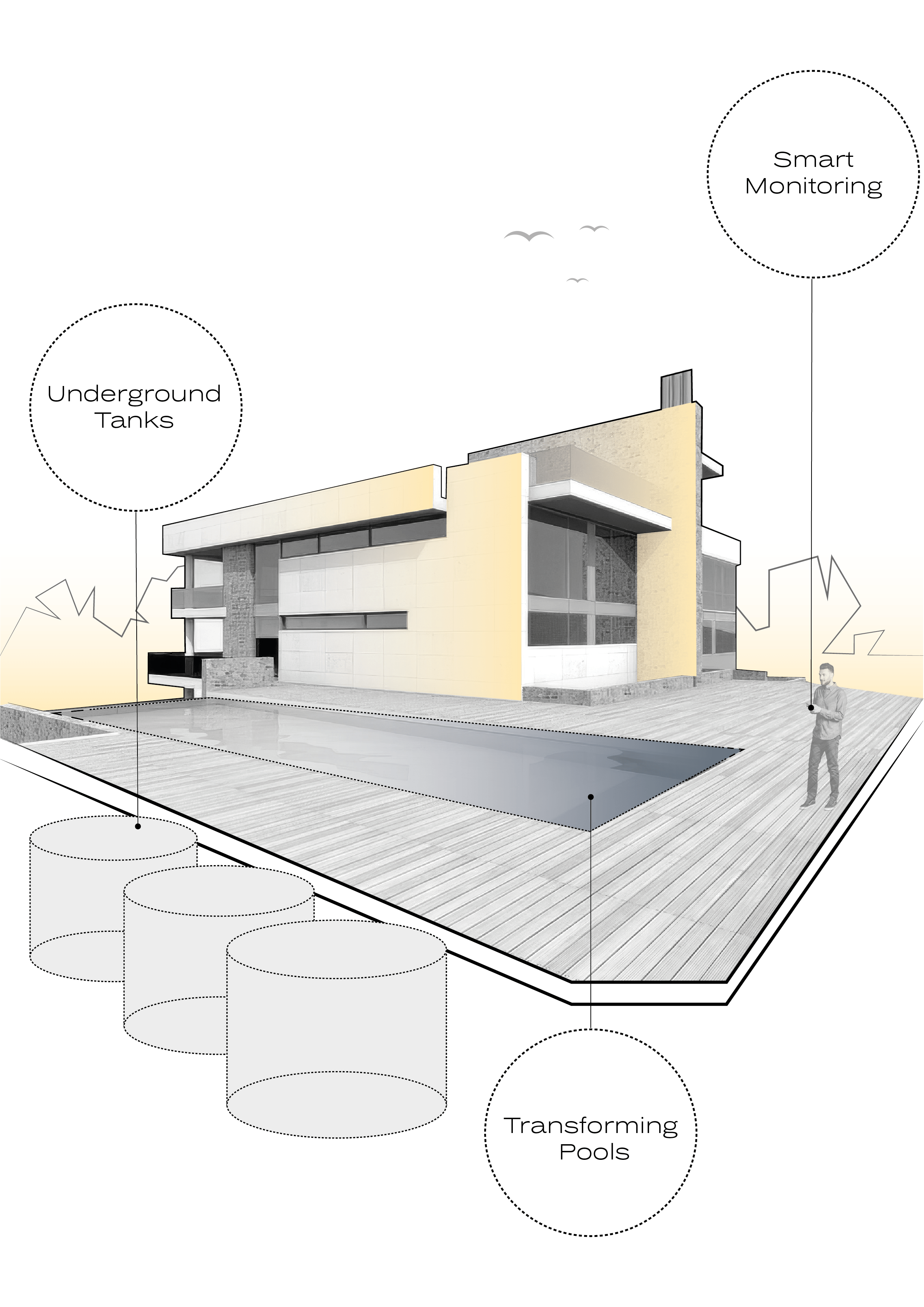
- Underground Tanks: These tanks ensure a steady water supply during emergencies, offering a reliable resource for firefighting efforts.
- Rainwater Harvesting Systems: Integrated with the home’s roof design, these systems collect and store rainwater for use during dry spells.
- Smart Monitoring: Homeowners can remotely track water levels and system functionality to ensure preparedness.
- Emergency Backup Connections: Advanced tank systems can be linked to external water supplies or municipal hydrants, ensuring access to additional water if reserves run low.
- Fire-Resistant Tank Materials: Newer models feature fireproof coatings and insulation to maintain water integrity in extreme heat.
For example, a luxury home equipped with a 15,000-gallon underground water tank and rainwater harvesting infrastructure would provide critical water reserves during a wildfire. The tank allows the homeowners to support firefighting efforts and protect their property while firefighters focused on other high-risk areas. These systems not only improve fire safety in luxury homes but also reduce reliance on external water sources, contributing to sustainability.
Transforming Pools into Firefighting Assets
Swimming pools, a hallmark of luxury homes, can serve as crucial reservoirs during wildfires. By integrating pools into fire suppression systems, homeowners can maximize their utility in emergencies.
- Pump Systems: Solar-powered pumps can draw water from the pool and distribute it to cool building facades or operate sprinkler systems.
- Private Fire Hydrants: Some homeowners install hydrants connected to their pools, providing direct access to water in emergencies.
- Automated Distribution: Water can be directed to high-risk areas, such as wooden decks or outdoor kitchens, for enhanced protection.
- Specialized Pool Covers: Fire-resistant pool covers help prevent debris accumulation while keeping water available for firefighting use.
Additional tip for fire safety in luxury homes with saltwater pools, special filtration systems can ensure that water remains suitable for firefighting equipment without causing corrosion or damage.
Using pools for firefighting not only enable localized fire suppression but also serve as a proactive measure to protect property boundaries.
Integrating of Irrigation Systems with Fire System
Automatic irrigation systems, typically designed for landscaping, can also play a crucial role in fire prevention.
- Cooling Surrounding Areas: These systems can irrigate dry vegetation around the property, reducing ignition risk.
- Facade Protection: Sprinklers installed along walls and rooftops create protective water barriers, shielding structures from flames.
- Smart Controls: Companies like Frontline Wildfire Defense offer systems that activate automatically when a wildfire is detected nearby.
- Moisture Retention Strategies: Using slow-drip irrigation methods helps maintain soil moisture, reducing the likelihood of ground fires spreading.
- Drought-Resistant Landscaping: Selecting plants with high water retention properties further enhances fire mitigation strategies.
- Firebreak Integration: Automated irrigation systems can be programmed to create moist firebreaks around the perimeter of the property, reducing the chance of flames advancing toward the home.
Such solutions showcase the potential of integrating irrigation systems with fire system technologies to proactively safeguard fire safety in luxury homes.

Harnessing Solar Power for Fire Extinguishing Systems
California’s frequent power outages during wildfire seasons highlight the importance of energy-independent fire safety systems.
- Solar panels for powering fire extinguishing systems: Systems like Tesla Powerwall provide a reliable energy source for pumps, sensors, and alarms associated with fire suppression systems. These setups ensure functionality and fire safety in luxury homes even during prolonged grid failures.
As an example, the Weil-Mollard family in Sonoma County rebuilt their home after the Tubbs Fire, integrating an 18-panel solar array and two Tesla Powerwall batteries. This system powers not only their everyday energy needs but also their fire extinguishing systems, including well booster pumps, ensuring continuous operation during emergencies.
- Off-Grid Power Solutions: Additional hybrid systems combining wind and solar energy ensure uninterrupted power availability.
- Thermal Detection Integration: Solar-powered fire detection sensors can be installed on rooftops to identify heat anomalies and activate suppression mechanisms in real time.
- Smart Energy Management: Some systems integrate AI-driven monitoring to optimize power distribution between home energy needs and fire suppression resources.
Additionally, these systems can be expanded to power other critical features, such as security systems and emergency lighting, ensuring the property remains functional during crises. For eco-conscious homeowners, combining solar power with other renewable technologies, such as wind turbines or geothermal systems, can further enhance sustainability.

Innovative Fire Extinguishing Systems for Modern Homes
Advanced fire extinguishing systems provide efficient and environmentally friendly solutions for luxury homes.
- Water Mist Systems: These systems release fine water particles that effectively extinguish flames while conserving water.
- Automatic Sprinklers: Can be connected to rainwater harvesting systems or pools, providing comprehensive fire coverage.
- Private Fire Hydrants: Some homeowners in Malibu have installed private hydrants to enhance localized water access for fire suppression.
- Biodegradable Fire Retardants: Some automated systems now incorporate environmentally friendly fire-suppressant foams that coat surfaces and prevent flare-ups.
- High-Pressure Fogging Systems: Deploying ultra-fine mist in enclosed spaces significantly reduces fire risk while limiting water damage to interiors.
These proactive approaches demonstrate how integrating private firefighting resources can complement innovative fire extinguishing systems and significantly enhance fire safety in luxury homes.
Strengthening Perimeter Protection
Securing the perimeter of a property is a critical step in wildfire prevention.
- Water Curtains: These automated systems create a continuous wall of water around the property. These water curtains can cool the air and block flames, making it effective fire extinguishing systems.
- Clearing Perimeters: Maintaining a 30- to 100-foot buffer free from flammable materials helps prevent fire spread.
- Fire-Resistant Landscaping: Using plants like succulents, lavender, and oak trees adds an extra layer of protection.
- Fireproof Fencing Options: Modern metal and composite fencing materials resist ignition and prevent embers from spreading.
- Smart Perimeter Detection: AI-driven cameras and heat sensors provide real-time alerts about approaching fire threats, enabling proactive response measures.
One example of such technology comes from SV Fire Systems, which specializes in automated water curtain systems. These systems deploy a continuous sheet of water around a property when a fire is detected. Integrated with pumps, deluge valves, and strategically placed nozzles, they compartmentalize spaces by preventing the spread of flames, heat, and smoke. By actively suppressing fire progression, water curtains add an invaluable layer of fire safety in luxury homes, especially those situated in high-risk wildfire zones.
Fireproof Materials for construction: The Foundation of Safety
Using fire-resistant materials is crucial for fire safety in luxury homes in wildfire-prone areas.
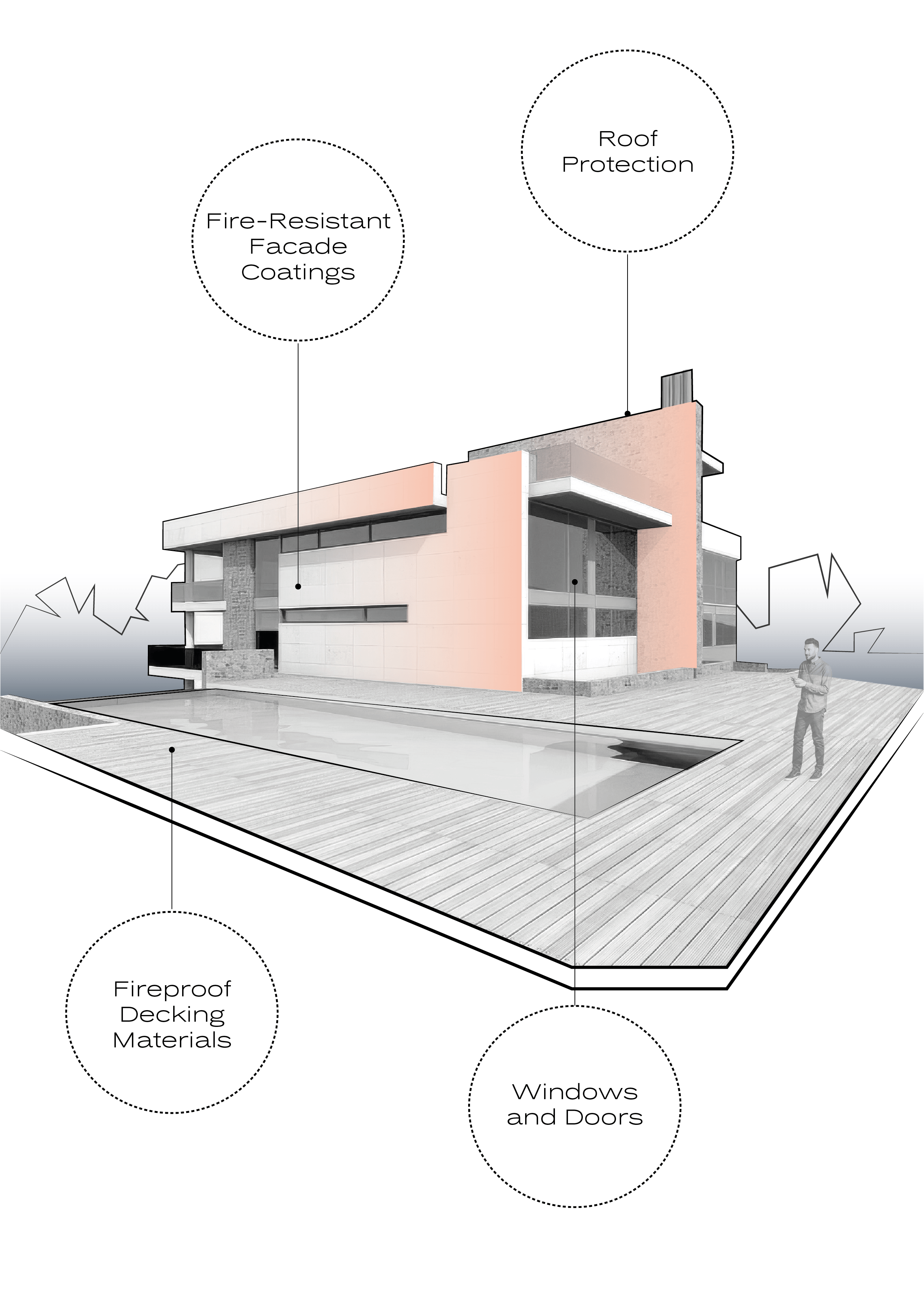
- Fire-Resistant Facade Coatings: Exterior cladding made from composites or metal minimizes ignition risks.
- Roof Protection: Clay tiles, metal roofing, or concrete provide enhanced fire resistance.
- Windows and Doors: Thermally insulated glass and aluminum or steel window frames prevent heat and flames from penetrating the home and can serve as a fire extinguishing system.
- Fireproof Decking Materials: Composite and treated fire-resistant wood offer durable alternatives to traditional wood decks.
For example, concrete has a fire resistance rating of up to four hours, significantly higher than untreated wood, which offers less than an hour of protection. These materials not only comply with California’s stringent building codes but also enhance the safety and longevity of luxury homes.

Smart Fire Protection of the House
Smart home technology has revolutionized fire safety, enabling automation and remote monitoring.
- Smoke and Temperature Sensors: These provide real-time alerts and activate fire extinguishing system
- Mobile Applications: Allow homeowners to activate fire safety systems remotely.
- Integration with Emergency Services: Some systems automatically notify firefighters of potential threats for faster response times.
- AI Fire Prediction Models: Advanced systems use machine learning to analyze weather patterns and predict fire risks, alerting homeowners before danger escalates.
For example, in Oregon, fire chief Phil Schneider reported receiving text alerts about a wildfire minutes before 911 dispatchers, demonstrating the system’s potential to save critical time during emergencies and enhance fire safety in luxury homes.
California’s wildfire challenges demand innovative and tailored solutions to protect luxury homes. By integrating autonomous water storage tanks, repurposing pools, utilizing advanced irrigation systems, adopting renewable energy, and incorporating cutting-edge technology, homeowners can create robust defenses against wildfires. Prioritizing fire-resistant materials and proactive perimeter defenses further enhances resilience.
Fire safety in luxury homes is more than a necessity — it is an opportunity to create sustainable, future-ready homes. Through these strategies, luxury homeowners can transform vulnerabilities into strengths, ensuring fire protection in the house. With careful planning and investment, luxury homes can lead by example, setting a new standard for fire safety in California and beyond.