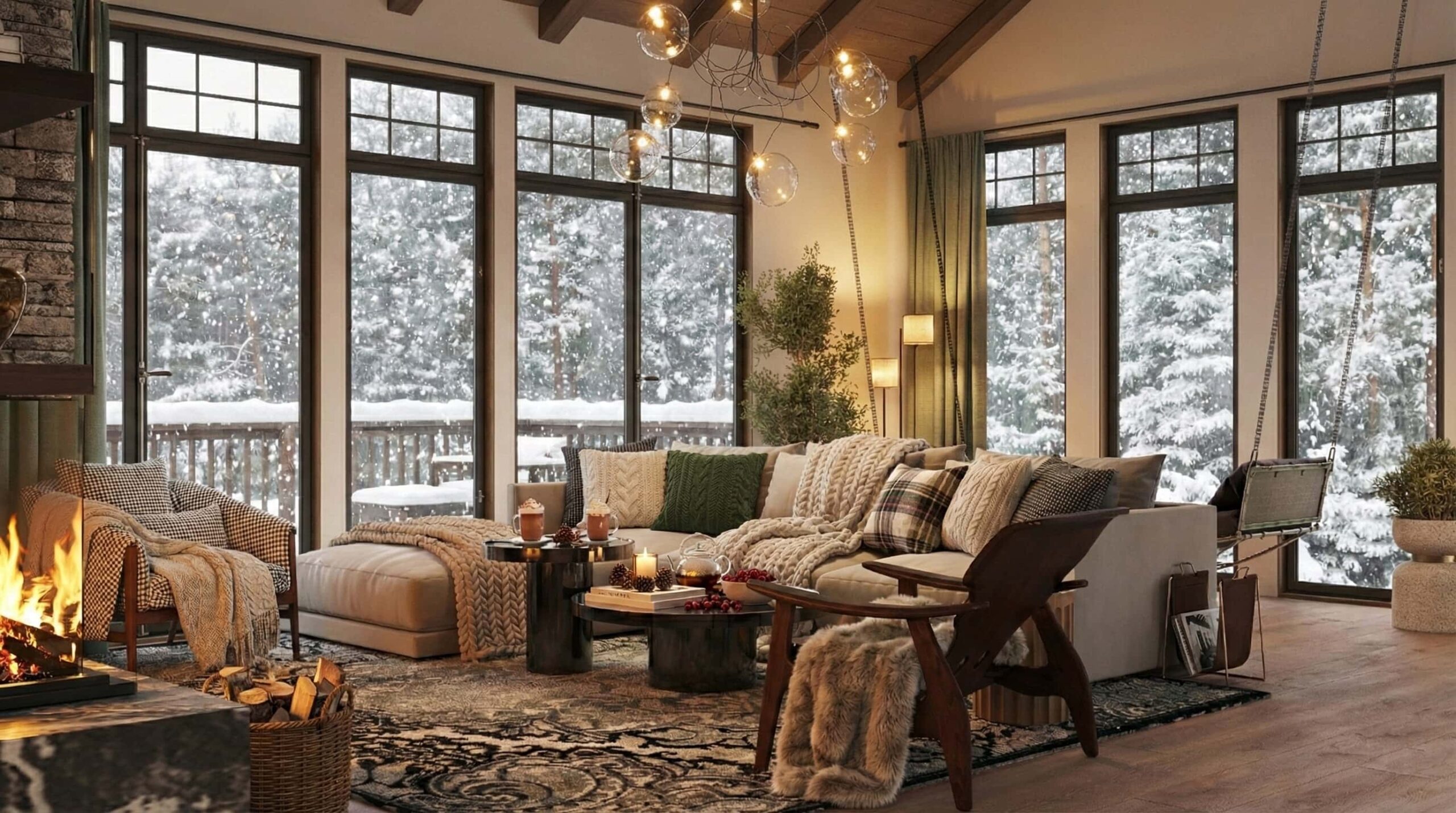
Classic American estate design embodies a unique blend of historical richness, elegance, and functionality. Rooted in deep architectural traditions, it has evolved over the centuries to incorporate both grandeur and comfort. From luxurious colonial mansions to simple farm houses, American architecture reflects a commitment to craftsmanship, balance, and timeless appeal. In this article, we will explore the defining characteristics of classical American style, its integration with modern living, and how estate owners and designers can preserve traditional estate style while embracing contemporary innovations. We will also discuss practical strategies for maintaining these estates, integrating sustainable features, and adapting traditional design elements to modern needs.
Defining Features of Classic American Estate Style
The essence of a classic American estate lies in its elegance, simplicity, and functionality. Rooted in American style architecture, these estates showcase a harmonious blend of tradition and modernity, where each element contributes to the distinctive charm that defines traditional estate style. While these homes boast historical appeal, they also incorporate timeless design features alongside technological advancements, ensuring they remain functional and relevant in the 21st century.
Traditional Symmetry and Balanced Proportions
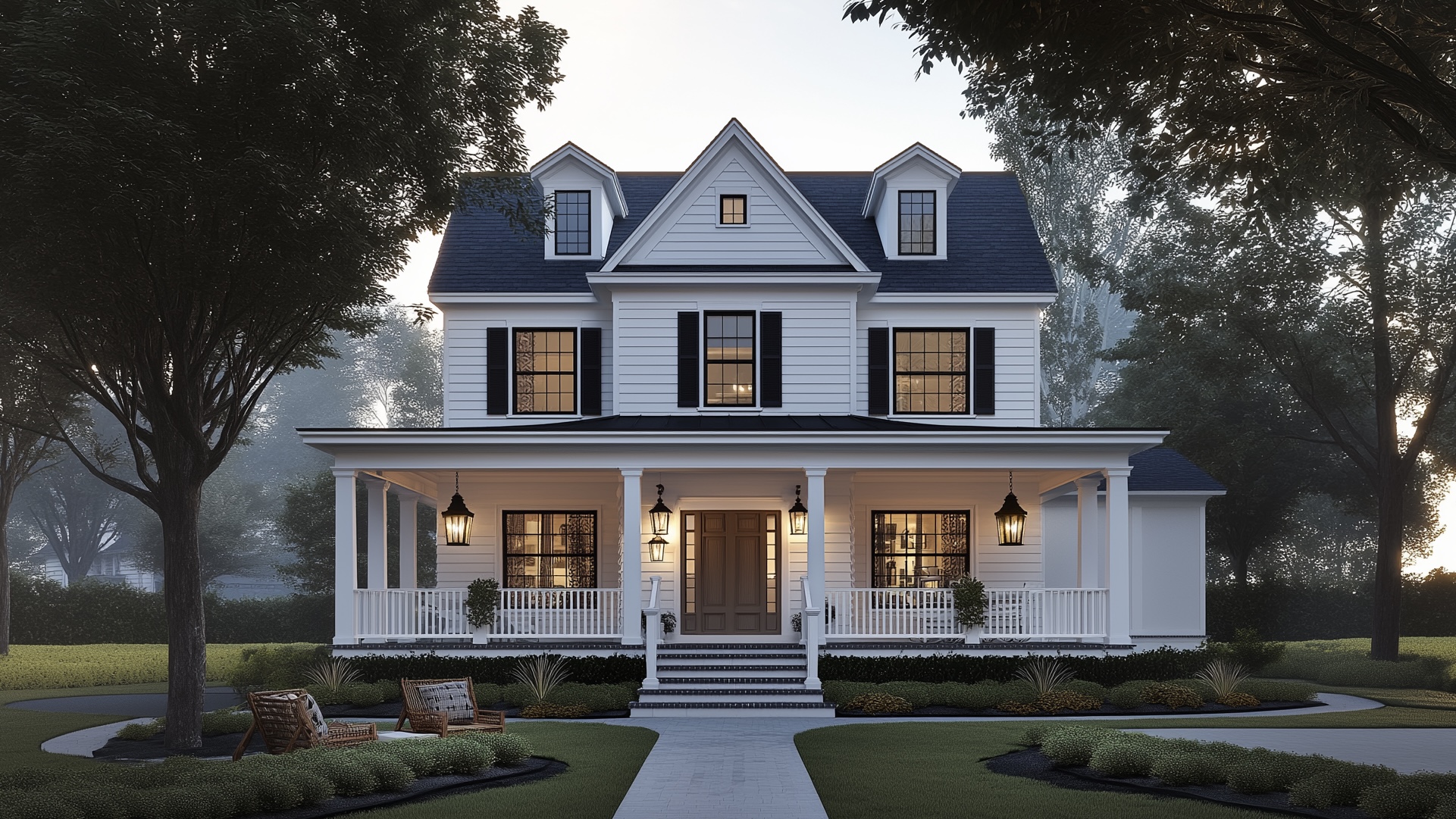
One of the most recognizable aspects of classic American architecture is their emphasis on symmetry in design. Facades are meticulously balanced, often with a centered entrance, evenly spaced windows, and proportionate rooflines. This architectural symmetry not only enhances aesthetic appeal but also reflects a sense of harmony and order. Homeowners seeking to renovate these estates often work closely with architects to ensure that any modern modifications maintain this balance.
For example, the famous Monticello estate, designed by Thomas Jefferson, showcases the principles of symmetry and balanced proportion, reflecting the influence of neoclassical ideals. Its perfect geometric balance continues to inspire estate designers today.
High-Quality Materials for Lasting Elegance
Luxury estate design relies heavily on premium classic estate materials such as natural stone, brick, marble, and wood. These materials ensure durability while adding a touch of sophistication. American architectural styles have long favored intricate woodwork, wrought iron detailing, and handcrafted masonry, all contributing to the estate’s enduring beauty.
Modern homeowners often invest in reclaimed wood and sustainable stone to maintain authenticity while promoting eco-friendly practices. For example, many estate renovations focus on incorporating energy-efficient windows and sustainably sourced hardwood floors without compromising the classical aesthetic.
Open and Inviting Layouts
Classic American estate interiors are often include spacious design and open layouts. Large entry halls, high ceilings, and expansive windows allow for natural light to flood in, creating an airy and welcoming atmosphere. Functional zones such as grand dining rooms, cozy living spaces, and libraries further enhance the experience of estate living.
A prominent example of this is the Biltmore Estate in North Carolina, where grandiose yet practical interior spaces seamlessly blend elegance with comfort. Modern estates inspired by these designs often feature open floor plans while preserving traditional details such as crown molding and elaborate fireplaces.

Popular Architectural Styles within Classic American Design
The beauty of American architectural styles lie in its diverse architectural influences. While regional variations exist, some of the most enduring styles include Neoclassical estates, Georgian and Colonial homes.
Colonial Style: A Timeless American Tradition
Colonial homes are among the most iconic representations of classic American architecture. With their rectangular layouts, shuttered windows, and symmetrical facades, these homes exude a historic charm that remains popular today. American colonial architecture is characterized by gabled roofs, brick or wood siding, and decorative columns, elements that have stood the test of time.
One famous example is the Paul Revere House in Boston, which maintains its traditional colonial character despite centuries of renovations. Homeowners often draw inspiration from such historic landmarks to incorporate classic colonial features into their own properties.
Georgian and Neoclassical Influences
Drawing inspiration from European traditions, Georgian and Neoclassical estates are known for their grandiosity and refinement. Georgian-style homes feature brick facades, paneled doors, and elegant cornices, while neoclassical estates emphasize large columns, ornate detailing, and spacious verandas. These styles capture the grandeur and historical depth of classical American architecture.
Many of the Founding Fathers’ homes, including Mount Vernon, exhibit strong Georgian and neoclassical elements, making them an essential reference for estate design today.
Modern Adaptations of Classic Styles
While traditional designs remain highly sought after, contemporary estate owners often seek to blend classic elements with modern features, resulting in a modern classic design that balances heritage with innovation. This approach embodies a sophisticated contemporary estate style, allowing for energy-efficient innovations, smart home technology, and open-concept interiors while preserving the authenticity of classical American architecture.
For instance, a growing trend among estate designers is to embrace American design fusion by integrating solar panels with historic rooflines or installing geothermal heating systems that remain invisible to the naked eye but significantly enhance sustainability.
Interior Design: Traditional Elegance Meets Modern Comfort
The design of classic American interiors beautifully blend old-world charm with modern convenience. Thoughtfully chosen traditional home decor helps preserve the timeless appeal of these spaces while adapting to today’s lifestyles. Every room in a luxury estate interior tells a story, balancing history with contemporary comfort. Homeowners are finding ways to maintain the grandeur of their estates while adding modern touches like smart lighting, climate control, and energy-efficient upgrades—all without taking away from the home’s classic character.
Luxurious Furnishings and Antiques
Estate home decor often feature opulent furniture, antique decor, and fine craftsmanship. Ornate chandeliers, hardwood flooring, and intricate moldings contribute to the luxurious ambiance. Classic American interiors also favor handcrafted wooden furniture, vintage rugs, and richly textured fabrics. These elements not only enhance the aesthetic value of the home but also serve as a tribute to the meticulous artisanship of the past.
Many homeowners look for period-accurate furnishings from estate sales or antique markets to maintain authenticity, making these estates feel like living museums. However, modern adaptations include the restoration of antique furniture with updated upholstery and finishes that align with current comfort standards. Custom-made pieces, inspired by historical designs, are also commonly integrated to preserve the grandeur while accommodating modern functionality.
Cozy and Inviting Living Spaces
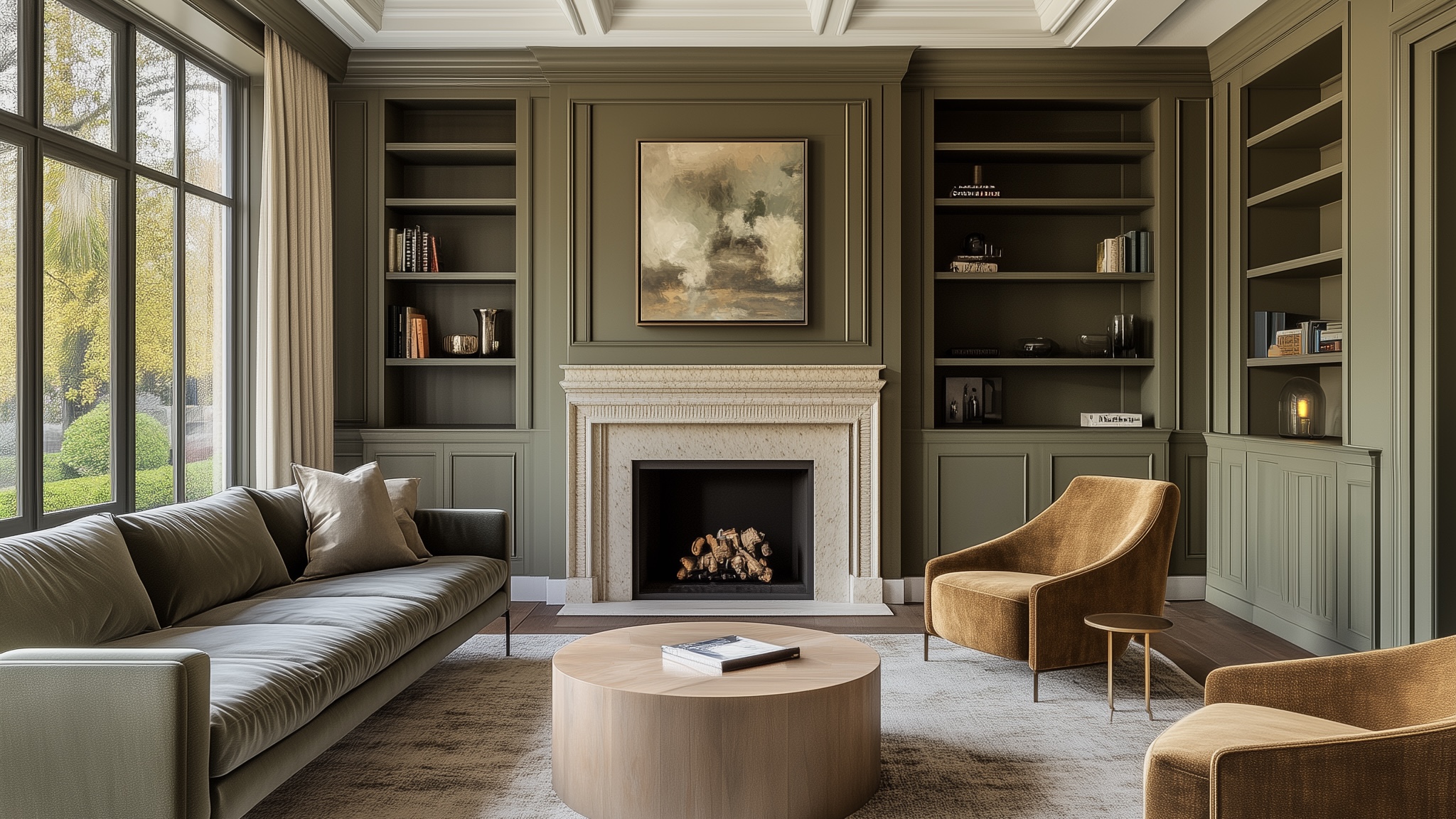
Despite their grandeur, classic American estates are designed to feel warm and welcoming. Thoughtfully planned cozy living spaces ensure that luxury doesn’t come at the expense of comfort. Fireplaces, plush seating, and earth-toned color palettes create inviting interiors that feel both elegant and livable.
Traditional home comforts play a key role in shaping these spaces, with features like built-in bookshelves, detailed wainscoting, and decorative mantels adding character and charm. While formal living rooms maintain a refined aesthetic, estate owners also prioritize relaxed family areas where soft lighting and comfortable seating foster a sense of ease.
Outdoor Spaces in Classic American Estate Design
A hallmark of classic American estates is their thoughtfully designed outdoor living spaces, which extend the home’s elegance to the surrounding estate landscape. These outdoor areas not only provide a visual complement to the architectural grandeur of the home but also offer functional and recreational benefits. From classic garden designs and meticulously maintained courtyards to expansive patios designed for social gatherings, outdoor spaces are an integral part of estate living.

Beautiful Gardens and Courtyards
American landscaping plays an essential role in estate design. Classic gardens feature neatly trimmed hedges, manicured lawns, and ornamental fountains, reflecting a dedication to order and beauty. The layout of these gardens often follows symmetrical patterns, inspired by European influences, while also incorporating native plant species to create a harmonious blend of old and new. Estate courtyards serve as tranquil retreats, often adorned with sculptures, pergolas, and cobblestone pathways.
A prime example of estate landscaping is the gardens of the Vanderbilt Mansion, which are meticulously maintained to reflect 19th-century design principles. In contemporary applications, estate owners are integrating sustainable gardening practices, such as drought-resistant plants, rainwater harvesting systems, and organic landscaping techniques, ensuring that their outdoor spaces remain environmentally friendly while maintaining their historical charm.
Grand Patios and Outdoor Entertaining Areas
Outdoor spaces in classic American estates are designed for both relaxation and entertainment. Expansive estate patios, furnished terraces, and grand gazebos provide the perfect setting for hosting gatherings or enjoying the serenity of nature. These spaces are often adorned with high-end materials such as natural stone, brick, and wrought iron, reflecting the same attention to detail found in the home’s architecture.
Luxury outdoor spaces incorporate elements like fire pits, custom-built seating, and intricately designed pergolas to enhance the estate’s appeal. Many modern estates also feature fully equipped outdoor kitchens with professional-grade appliances, making al fresco dining an effortless and elegant experience. Features such as retractable awnings, heated floors, and strategically placed lighting extend the usability of these outdoor spaces throughout all seasons, ensuring that estate owners can enjoy their surroundings regardless of the weather.

Classic American estate design is a testament to the nation’s architectural heritage. By preserving its timeless luxury elements while embracing modern innovations, homeowners can maintain the grandeur and sophistication of their estates. Whether restoring a historic mansion or building a new home inspired by traditional aesthetics, classic American architecture continues to offer an unparalleled blend of luxury, comfort, and elegance. With thoughtful estate home design, sustainable practices, and attention to detail, these estates remain not just symbols of the past but also inspirations for the future.