The Art of Furniture Selection: Choosing the Perfect Pieces for Your Space
Selecting the right furniture is more than just filling a room with functional pieces. It’s an essential aspect of interior design that defines the comfort, functionality, and overall aesthetic of a space. Whether you’re outfitting a cozy apartment or designing a spacious family home, making the right choices can transform your living environment. The key to achieving a balanced, stylish, and comfortable home lies in understanding how to select interior design furniture that complements the space and meets your functional needs.
In this article, we will explore how to choose the best furniture for home, with a focus on home styling furniture that not only enhances the look of your interiors but also supports your lifestyle. From understanding the layout and flow of your rooms to selecting pieces that cater to specific functions, we’ll cover everything you need to know to make informed decisions. Whether you’re a homeowner, a renter, or a professional designer, the advice and insights shared here will help you navigate the vast world of furniture and create spaces that are both beautiful and practical.
Understanding Your Space and Needs
Before diving into the world of furniture shopping, it’s crucial to have a clear understanding of your space and its needs. Furniture selection is not a one-size-fits-all endeavor. The way a room is used — whether for relaxing, entertaining, or working—greatly influences the types of room furniture ideas you should choose. Furniture layout tips are essential when planning how pieces will fit and interact with one another in a room.
- Assessing the Room Size and Layout
The dimensions of your room will play a major role in determining the size and scale of furniture. For example, large living rooms with ample natural light allow for larger pieces like expansive sectional sofas, oversized coffee tables, or multiple seating areas. However, smaller spaces call for more compact options that don’t overwhelm the room’s proportions. In small apartments, space-saving furniture is often a lifesaver. Multi-functional pieces — like convertible couches, extendable tables, or wall-mounted shelving — can provide the necessary storage and seating without taking up valuable floor space.
- Purpose of the Room
When evaluating your space, also consider the functional furniture ideas of the room. A home office needs ergonomic chairs and desks that facilitate focus and productivity, while a living room is all about comfort and entertainment. Additionally, certain rooms might require more specialized furniture pieces, such as a dining room table for family meals or a bedside table that accommodates your nightly essentials. For each space, make sure the room furniture ideas you select align with how the room will be used.
- Natural Light and Color Palette
Another important aspect of furniture selection is how well pieces complement the room’s natural lighting and color scheme. Lighter colors tend to make rooms feel larger and more airy, while darker tones create intimacy and coziness. Think about how your furniture will harmonize with the walls, floors, and other permanent features in the room. For instance, a light oak bookshelf will pair beautifully with neutral or pastel-colored walls, while a deep mahogany armchair can anchor a room with rich, jewel-toned hues.
Space-Saving Furniture for Small Rooms
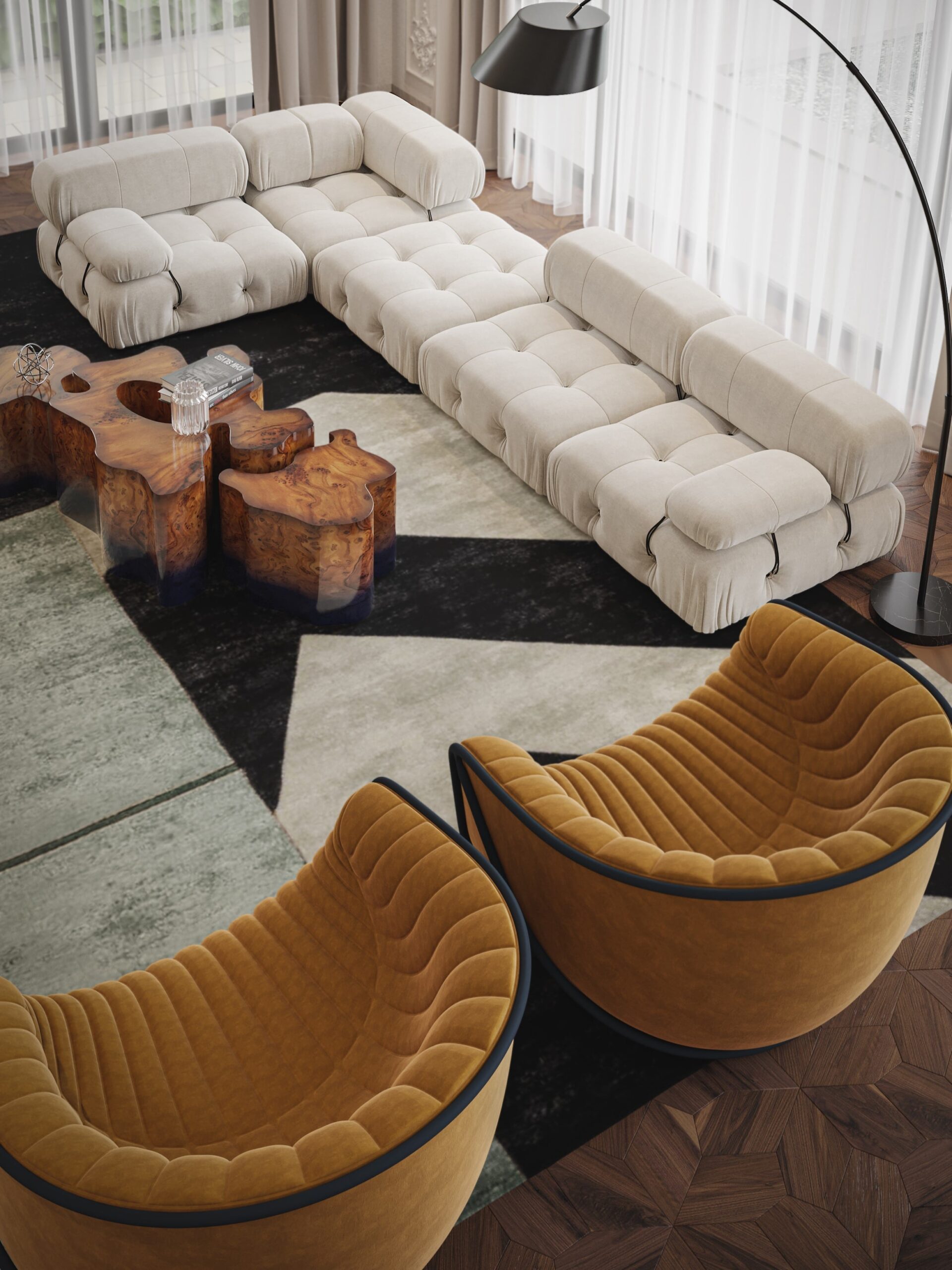
Maximizing space in small rooms is an art. In these areas, space-saving furniture plays a key role in ensuring the room is functional without feeling cluttered. Think carefully about modular furniture, which is highly customizable and can be rearranged to fit different layouts as your needs change. For example, modular sofas that can be expanded or contracted to fit a room’s dimensions, or stackable furniture that’s easy to store away, can help maximize the utility of smaller spaces.
The rise of modern furniture selection also offers many creative solutions for small spaces. Look for hidden storage options within the bedroom furniture selection. Beds with built-in drawers, sofas with storage compartments, and tables that double as workstations can provide excellent storage solutions without taking up more room.
Defining Your Style and Functionality
Furniture should not only be functional but also reflect your personal aesthetic. The right combination of home styling furniture can create a seamless flow throughout your home while maintaining a distinctive character. Whether your style is contemporary, rustic, industrial, or minimalist, you can find pieces that match your vision and create a unified theme throughout your rooms.
One of the first steps in choosing furniture is identifying your personal style. Modern design is clean, sleek, and often incorporates neutral colors with bold, simple shapes. Traditional styles lean towards ornate detailing, rich wood tones, and a sense of warmth. Scandinavian furniture, for instance, is known for its minimalist, functional designs, making it ideal for smaller homes or apartments. Meanwhile, if you appreciate vintage or eclectic styles, you may enjoy mixing and matching different periods and aesthetics.
When it comes to stylish furniture ideas, think of the overall feel you want to create. If you love a laid-back and cozy vibe, plush armchairs, soft fabrics, and natural materials like wood and cotton might be more your style. For a more high-end, luxurious feel, opt for upholstered furniture in fabrics like velvet or leather, paired with sleek, modern lines.
Moreover, always keep in mind how well the furniture serves its purpose. While stylish furniture ideas may take center stage in some rooms, functionality should not be overlooked. Does the dining table offer enough space for family meals? Does the sofa provide enough support for lounging or hosting guests? These practical questions help guide your furniture selection process.
How to Choose the Right Furniture for Your Home
Now that you have a clearer idea of how to assess your space and style, it’s time to focus on how to choose furniture for your home. Different rooms have different needs, and a living room furniture guide would not fit a bedroom one. Furniture should complement both the room’s size and its function. Here are some practical tips for selecting perfect furniture pieces for each space.
Choosing Furniture for Different Rooms
- Living Room Furniture Selection
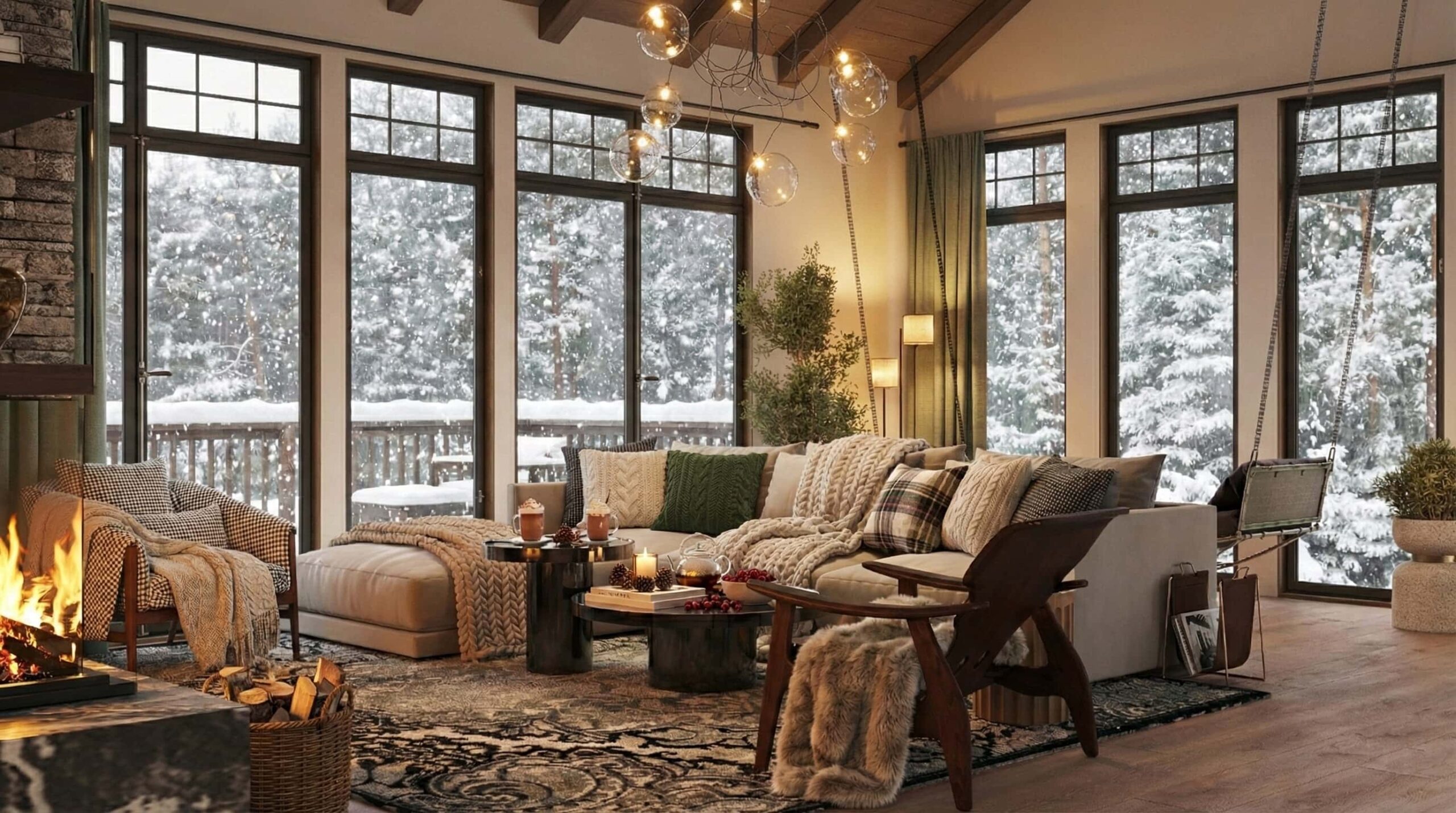
The living room is the heart of the home, and it often serves as both a place to relax and entertain guests. For the living room furniture guide, comfort is paramount. Choose a sofa with deep seating and plush cushions for maximum comfort. Add accent chairs that complement the sofa while providing additional seating. Depending on the room’s layout, you may want to include side tables or media consoles that offer both storage and style.
Additionally, coffee tables should be both practical and stylish. Look for tables that offer storage underneath for keeping magazines, remote controls, or other essentials. Consider room furniture ideas that matches your home decor, especially when choosing colors and materials. A neutral-colored sofa can be paired with colorful cushions and throw blankets to add character without overwhelming the space.


- Bedroom Furniture Selection
The bedroom is a sanctuary where rest and relaxation are key. When choosing bedroom furniture, prioritize comfort and tranquility. The bed is the centerpiece of the room, and it’s worth investing in a high-quality mattress and frame that offers both comfort and support. Look for storage solutions such as dressers or nightstands with drawers to keep the room organized.
Nightstands should provide space for essentials like lamps, books, or alarm clocks while still contributing to the overall aesthetic. If you have a smaller bedroom, consider space-saving bedroom furniture selection such as wall-mounted shelves or under-bed storage to maximize space without cluttering the room.
- Dining Room Furniture Selection
For the dining room, the key to furniture selection is versatility and comfort. A dining table should accommodate the number of people who typically use it while fitting comfortably in the room. If you entertain often, consider an extendable dining table that can be adjusted to fit different occasions. Chairs should provide comfortable seating for extended meals and add to the room’s style.
Choose materials that are durable and easy to clean, such as wood or glass, depending on your preference and lifestyle. If you have a smaller dining area, opt for compact dining tables that don’t overwhelm the space but still offer the functionality you need.

Matching Furniture Styles for a Cohesive Look
When selecting furniture, it’s important to strike the right balance between different styles to create a cohesive look. Mixing modern and traditional furniture can be tricky, but when done well, it creates a unique and inviting atmosphere. One approach is to choose a dominant style for the space and use complementary pieces to add variety. For example, pairing a sleek, contemporary sofa with vintage side tables or using a traditional dining table in a modern kitchen can create a stylish blend that feels fresh and personalized.
When selecting modern furniture, consider how each piece contributes to the overall design, and think about how it interacts with other elements like wall colors, flooring, and accessories. A harmonious combination of stylish furniture ideas adds personality without overwhelming the space, ensuring it remains cohesive and comfortable.
Furniture Placement Tips for a Balanced Layout
The way interior design furniture is arranged in a room can have a profound impact on its ambiance. Proper furniture placement tips can improve the flow of movement and make a room feel more spacious. Whether you’re designing a cozy living room or a spacious family area, the goal should be to find a furniture layout tips that encourages easy movement while highlighting the room’s key features.
Creating Flow and Functionality with Furniture
To ensure that your home styling furniture layout enhances the room’s functionality, think about creating a natural flow that allows for ease of movement and explore some furniture layout tips. Positioning the sofa so that it faces the focal point of the room — whether it’s a television, a fireplace, or a window — can create a sense of harmony. Additionally, grouping furniture around a central piece, such as a coffee table, can help define the seating area and promote conversation.
Remember to keep the pathways clear between key pieces of furniture to avoid making the room feel cramped. Functional furniture ideas such as floating bookshelves or slim-profile armchairs can help maintain a balance between accessibility and aesthetics, making the most of every inch.

Selecting the right interior design furniture for your home is both an art and a science. By understanding your space, defining your style, and choosing furniture that meet both aesthetic and functional needs, you can create a home that reflects your personality while remaining practical. Keep in mind the importance of furniture placement and layout to enhance the room’s flow, and always be open to new trends and innovations in furniture design. By following these home furniture guidelines and staying true to your unique tastes, you can confidently select the best furniture for house, ensuring a stylish and comfortable living space for years to come.