Biophilic Design Trend: Nature at Home
The concept of living in harmony with nature has become more prevalent in modern interior design. Biophilia in design is more than simply a trend; it’s about creating environments that use natural components to inspire, calm, and promote wellness. Biophilic design approach helps us re-establish a mental, physical, and emotional connection with nature, while contemporary lifestyles tend to distance us from it. This essay examines the ways in which the biophilic design home trend is changing our understanding of and approach to planning our living spaces.
The Essence of Biophilic Design
Fundamentally, biophilic design is about rediscovering the intrinsic connection to the world outside our walls that we have always had. Integrating nature into daily routines is more important than simply adding a wooden table or some plants as décor. The biophilia trend represents a silent revolt — a return to something innate and genuinely human in a society increasingly defined by digital interfaces and concrete landscapes.
Studies often demonstrate that our bodies and minds react favourably when we are surrounded by biophilic nature elements, such as the sound of trickling water, the feel of warm wood beneath our feet, or sunlight filtering through leaves. We get less stressed. We become more focused. We just feel better. These indications seem to be familiar to our neural systems.
Therefore, biophilic design is a philosophy based on well-being rather than just another trend. Statement pieces and flashy décor don’t draw attention to themselves. Rather, it sings in the background, establishing settings that seem appropriate without you really understanding why. Not only does a biophilic home have an enjoyable appearance, but it also feels pleasant. It gives you gentle, nurturing support, which makes each day a little more serene, concentrated, and balanced.

Origins and Philosophy of Biophilia
American biologist Edward O. Wilson originally introduced the term “biophilia” in the 1980s, defining it as “the innate tendency to focus on life and lifelike processes.” His research revealed that people are inherently drawn to nature, a notion that resonated with people far beyond the field of biology and eventually led to an interior design and architecture.
However, the idea of biophilia existed before Wilson. Ancient societies were designed with nature in mind long before the term was established. In Japan, zen gardens were developed to encourage reflection and mimic the natural environment. The internal courtyards of Roman villas featured flora and fountains. Homes have always been constructed by indigenous communities worldwide, employing locally available, natural materials that blend in with the surroundings. Biophilia in design served as the foundation in each of these instances rather than an afterthought.
This long-standing knowledge is combined with contemporary research in the biophilia nature philosophy of today. It challenges us to think about how our homes affect our emotions as well as how they appear. Even in the middle of chaotic, urban lives, it encourages design decisions that increase comfort, minimise their negative effects on the environment, and re-establish our connection to the planet. Intention is what biophilic design is all about, not a particular style. Every piece, whether it’s a wooden bench in a garden nook or a moss wall in a high-rise office, is chosen with the intention of promoting harmony, health, and life.
Psychological Benefits of Biophilic Interiors
Biophilic design at home has a significant and scientifically supported psychological influence. Because of the way our brains developed, even brief daily exposures to nature can have a favourable impact on our mental health.
For example, our circadian rhythms — the internal clocks that control our mood, energy levels, and sleep — are greatly influenced by natural light. Exposure to morning sunlight can help wake us up more gently, enhance serotonin levels, and establish a positive tone for the day. The soft glow of lighting that mimics a sunset can help our bodies get ready for sleep in the evening and reduce the mental exhaustion that artificial blue light causes.
A home with a biophilic design that visually links to the outside, such as a skylight, panoramic window, or just a leafy tree view, provides a mental relief from the limitations of the house. These opinions have been connected to decreased anxiety and sadness as well as increased creativity and focus, which are particularly valuable in the culture of remote work that exists today.
Texture also plays a powerful role. In addition to being visually pleasing, handwoven fabrics, smooth wood, and rough stone provide a sense of stability. Our brains’ sensory pathways are activated when we touch natural materials, which lowers tension and increases feelings of security. These textures’ visual presence alone has the power to evoke feelings and memories connected to stability, serenity, and harmony.
And then there’s greenery. According to studies, the presence of plants, even in the form of desktop succulents or potted herbs, may significantly lower blood pressure, elevate mood, and reduce cortisol, the stress hormone. In the opinion of several researchers, patients who have access to living plants or natural views in hospitals even recover more quickly.

Practical Ways to Implement Biophilic Design at Home
You do not require a large budget or a total renovation to incorporate biophilic design in your home interior. Small, deliberate decisions can actually have a big impact. The main goal is to encourage a multisensory relationship with nature by using our senses of vision, touch, sound, and even smell. Homes with biophilic design can be customised to your particular surroundings and way of life, whether you live in a high-rise apartment, a suburban townhouse, or a country getaway. Simply asking, “How does my home currently interact with nature?” is the first step towards awareness. After that, add small touches that bring the outside into the house to give your room a more nourishing, lively, and grounded vibe.
Using Natural Light and Materials
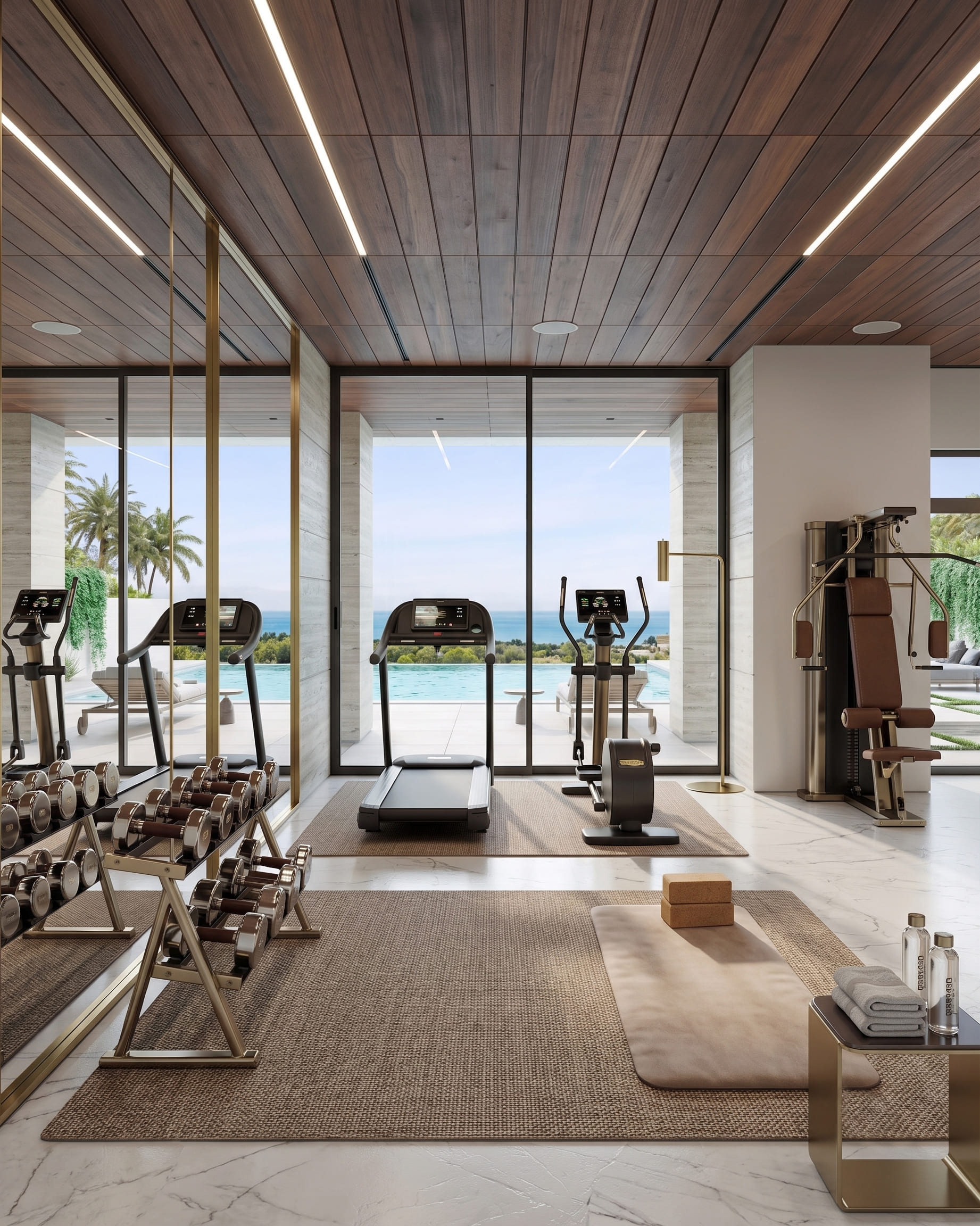
In line with biophilic home interior design, natural light is not only useful; it is essential to our physical and mental well-being. Making daylight a priority in your house can improve your mood, lower stress levels, and control sleep cycles. Locate work areas and seating next to windows for maximum effect. To reflect brightness further into the space, use light-colored wall paints and add sheer, breathable curtains that let in natural light while maintaining privacy.
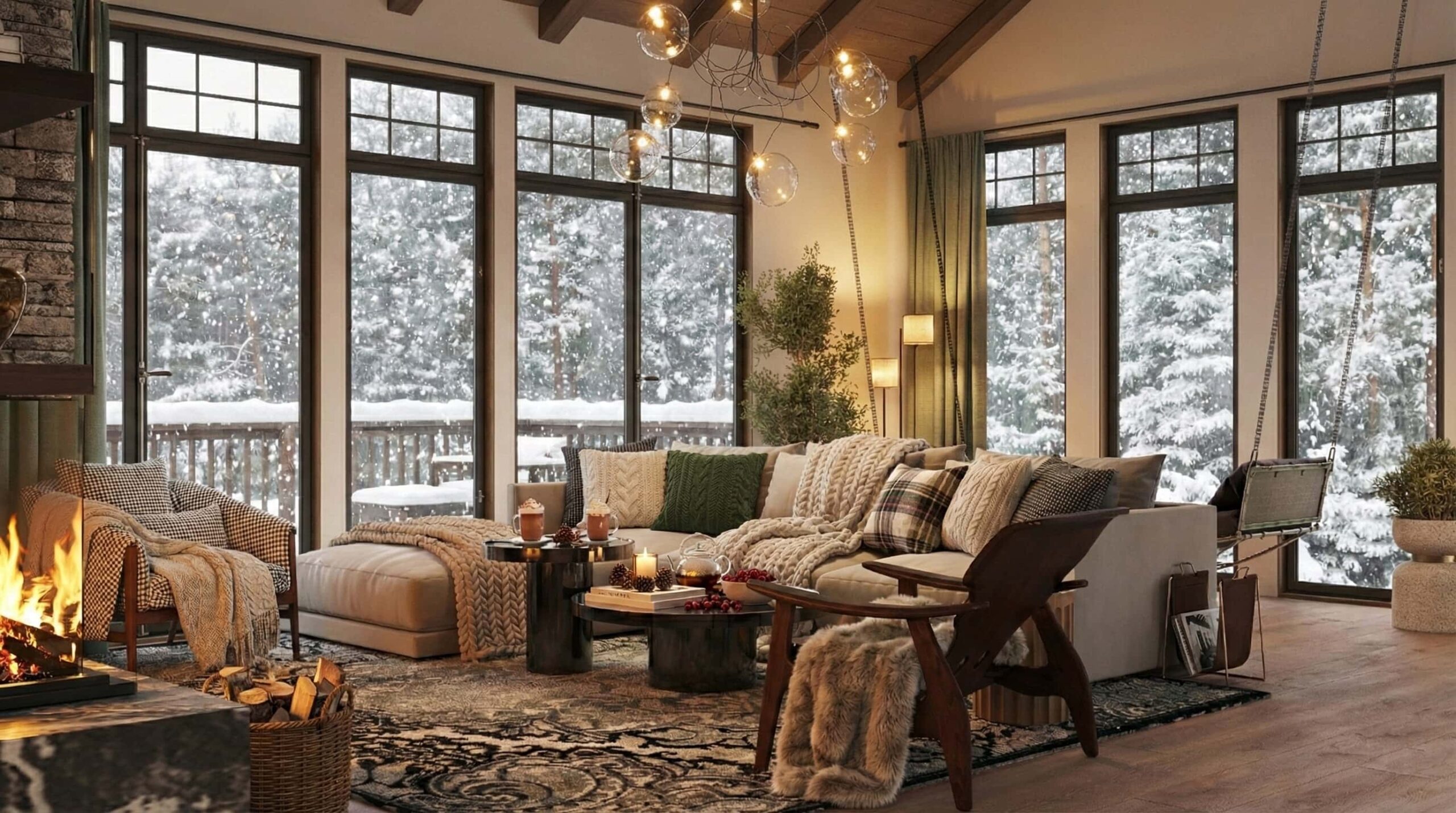
The materials that surround us are equally important in biophilic design at home. Reclaimed wood floors, stone countertops, linen upholstery, and jute carpets are examples of organic textures that invite the touch and generate a strong sense of connection to the natural environment. In addition to being beautiful, these materials age well, developing textures and patinas that tell storylines over time and increasing the wabi-sabi appreciation of natural imperfection.

Indoor Plants and Living Walls
Plants do much more than just add beauty; they really bring life into your house. Indoor vegetation, which ranges from small succulents to large fiddle-leaf figs, can change the atmosphere of a space. To provide depth and rhythm, use a mix of plant sizes and varieties. Cluster smaller potted plants on side tables or window sills, and let trailing vines cascade from shelves or hanging baskets.
Whether it’s DIY vertical gardens or professionally installed, living walls make a strong statement about one’s dedication to biophilic design in a home. They are perfect for areas where greenery may be surprising yet has a big impression, such as kitchens, baths, and entryways. For a cohesive, biophilic home design, think about arranging your plants in natural planters like bamboo stands, woven baskets, or clay pots.
Biophilia in Interior Design Trends
Biophilic design at home is being embraced by both designers and homeowners through fresh and innovative methods of embracing nature. The final biophilia trend result is a serene, meaningful interior that feels grounded and alive.
Minimalism Meets Nature
The goal of biophilic minimalism is thoughtful curation rather than cold, empty rooms. Visualise a bright, airy space with whitewashed walls, a single oak bench, an armchair covered in linen, and a floor plant resting in the corner. Each component of biophilic home interior design has a role and a purpose, fostering emotional clarity and harmony.
Natural minimalism prioritises unhurried life over rapid consumption and handmade over mass-produced goods. Biophilic design simplifies and prioritises quality over quantity, your house transforms from a visual disagreement into a peaceful haven.
Smart & Sustainable Biophilic Solutions
When technology is handled carefully, it can enhance biophilic design at home rather than interfere with it. Automated blinds, for instance, can be regulated during the day to optimise natural light and save electricity. Even for beginners, smart watering systems simplify and accelerate the maintenance of both indoor and outdoor plants.
Your circadian cycles and energy levels are protected by LED lighting systems that change colour temperature throughout the day to replicate the natural progression of sunlight. Reclaimed water systems, solar panels, and environmentally friendly materials like cork flooring or recycled glass can all help your biophilic-designed home become more environmentally conscious and self-sufficient.

Biophilic home design is more than a fleeting trend — it’s a timeless, human-centric approach to designing spaces that heal, inspire, and sustain. As we continue to navigate a rapidly urbanizing world, bringing biophilia nature home becomes a powerful act of reconnection. By integrating natural elements into our interiors, we create spaces that are not only beautiful but truly life-enhancing.
Incorporating biophilia in design and embracing biophilia in interior design isn’t just about aesthetics — it’s about restoring the balance between our built environments and our primal need for nature. From light and greenery to texture and calmness, the path to a more mindful, grounded lifestyle begins right at home.