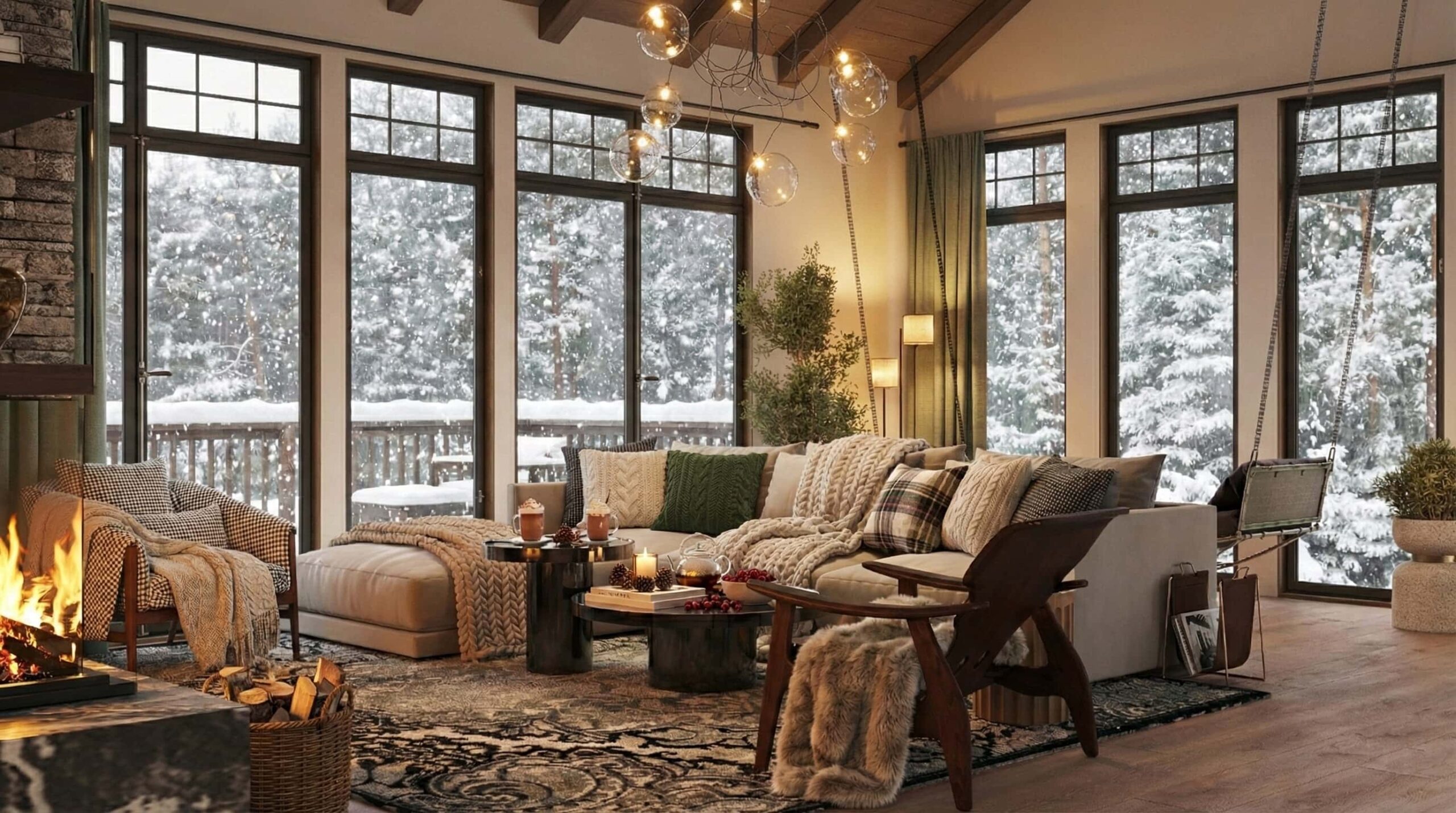
For me, architecture is more than just designing spaces. It is a way to capture time in space and space in time. It has the power to preserve history, reflect culture, and, at the same time, pave the way for the future. Over the years, I have designed luxury villas, commercial buildings, yacht interiors, and worked with some of the most demanding spaces. And every time, I’ve come to the same realization: the real challenge is not following trends but creating timeless elegance.
On one hand, we design spaces that are relevant, that reflect the spirit of the present, meet today’s demands, and seamlessly fit into their time. On the other hand, we strive to create architecture and interiors that will remain relevant for decades. What seems fashionable today may lose its appeal in just a few years. So the question arises: how do we strike a balance between trends and timeless classics to ensure the result is not just a fleeting fascination but a true masterpiece?

The Psychology of Architecture: Why Do We Strive for Balance?
In every project, I think not only about form and materials but also about how the space will “speak” to the person experiencing it.
- Classics feel like a home you can always return to. They provide stability, a reminder that some things remain untouched by time.
- Trends, on the other hand, are like a journey, bringing new emotions, fresh ideas, and pushing us toward change.
And when these two elements coexist harmoniously, they create spaces where people feel balanced and at ease.
Why is this important? Because we are constantly seeking balance in life — between the familiar and the new, between comfort and growth. I always ask myself: how can a space serve its inhabitant? How can it be more than just a place to live or work, but also a source of support, inspiration, and joy?
Design is about people — their emotions, desires, and the search for harmony between their inner and outer worlds.

Learn the Rules So You Can Break Them
I always tell my students that at the beginning of their architectural journey, they must learn the rules — proportions, functionality, calculations, regulations. They must spend hours studying how to design spaces properly, avoiding mistakes. But later, they will realize that these rules are merely tools. As Picasso once said, “Learn the rules like a pro, so you can break them like an artist.”
Architecture often allows us to combine seemingly incompatible elements. That is where its magic lies — finding balance in the unexpected. Imagine a classical arch supporting an ultra-modern concrete roof. This is not a clash of styles but a dialogue, where each element enhances the other’s strength.
Sometimes, breaking the rules leads to spaces that truly inspire. Classical techniques become the foundation for something entirely new.
Classics as the Foundation of Everything
Classics are not just a set of decorative elements. They represent a way of thinking, proportions that don’t need explanation, a system that creates spatial harmony. Stone, wood, bronze, marble — these are not just materials but carriers of history, adding depth and meaning to an interior. What’s interesting is that classics are not static. They evolve, adapt, and acquire new interpretations.
For example, stucco molding, once a symbol of aristocratic luxury, can now be paired with minimalist furniture and modern lighting to transform the perception of space. Similarly, stone surfaces, traditionally associated with palace interiors, can be combined with glass and metal to create striking contrasts.
That is why classics never become outdated. They transform while remaining recognizable, always ready to embrace new ideas.

When Trends Shape the Future but Don’t Dictate It
Trends remind me of a fresh wind that can change the direction of the sails. They have the power to push ideas forward, but they should not dictate the entire journey. For me, trends are more like a palette — I choose the colors that complement the overall picture rather than overpower it.
Currently, key trends in European architecture and interior design include:
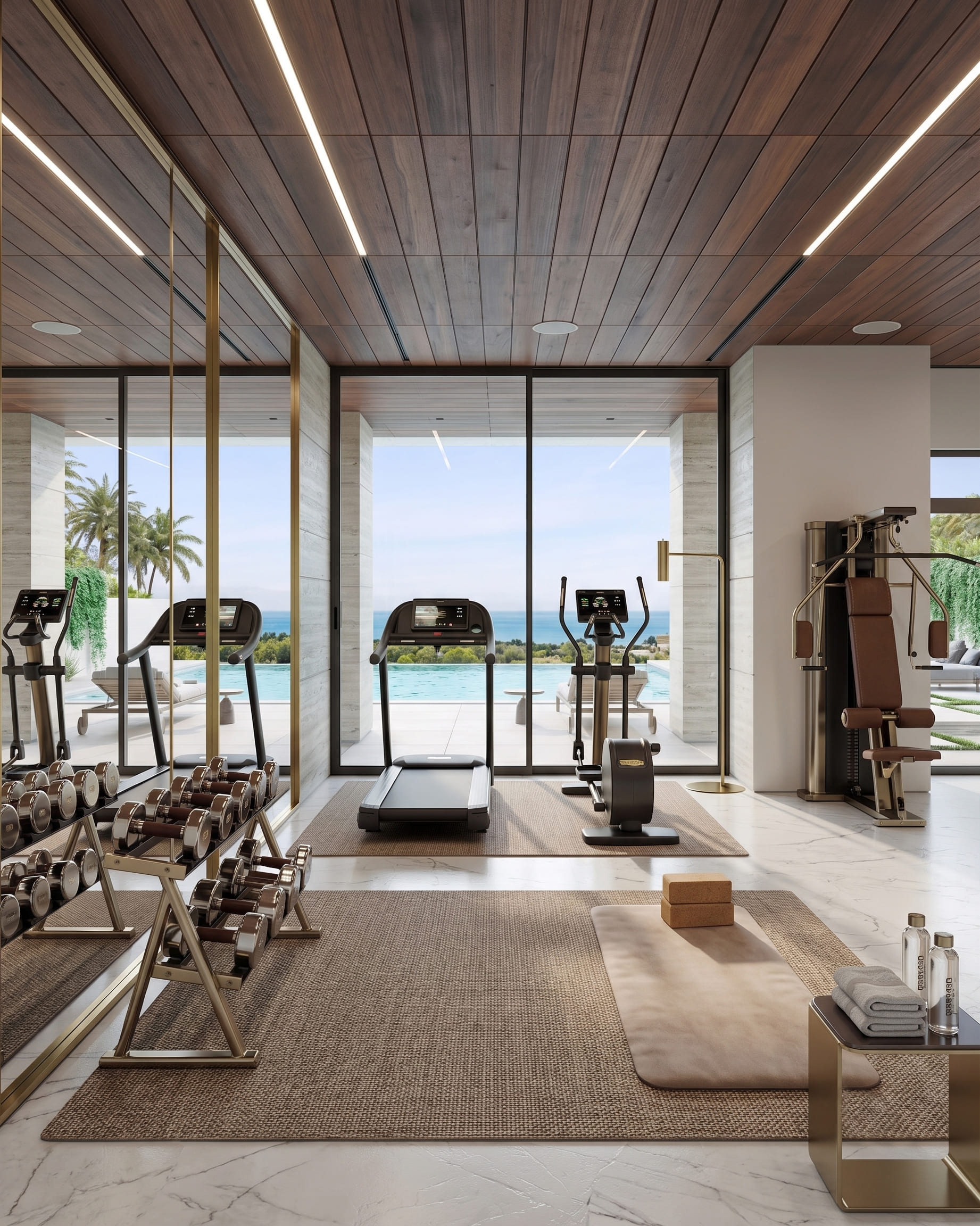
- Biophilic design — large windows, natural materials, greenery integrated into interiors.
- Sustainability — energy-efficient technologies, recycled and natural materials to minimize environmental impact.
- Minimalism with character — clean lines complemented by artistic details or bold accents.
- Warm natural tones — chocolate, terracotta, sandy hues replacing cold gray palettes, creating depth and comfort.
- Light-permeable materials — frosted glass, mirrored surfaces, and stained glass that expand space.
- Natural textures — Roman clay, limestone, textured wallpapers replacing fluted surfaces for a more organic feel.
In contemporary American architecture, distinctive trends include:
- Scale and openness — spacious homes, high ceilings, panoramic windows.
- Simplicity meets technology — minimalist facades, hidden systems, smart home integration.
- Contrasting materials — glass, metal, and concrete paired with wood and stone.
- Clean design — geometric shapes, minimal decor, strong structural lines.
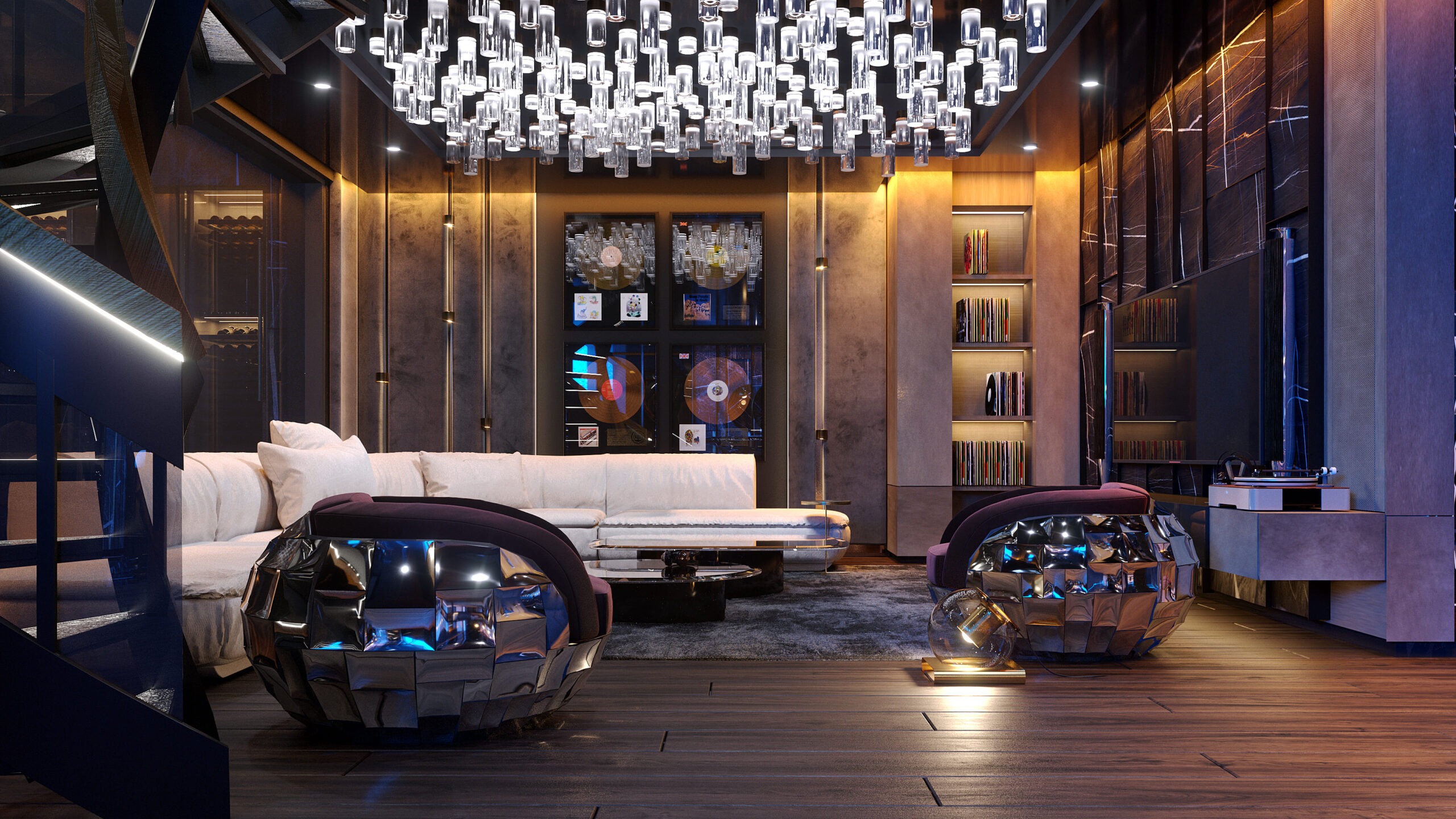
- Statement accents — oversized lighting fixtures, art objects, and unconventional furniture pieces.

How to Merge Trends with Classics?
I don’t believe in over-curated interiors. Imagine returning from a trip to Japan with a delicate sculpture or an object that holds deep personal meaning. If your interior is too rigidly defined by a single style, incorporating that piece becomes a challenge — it disrupts the harmony.
Blending trends with classics is like finding the perfect recipe, where each ingredient must be added in just the right proportion. It is about balance — where modernity adds dynamism, and classics bring stability and depth.
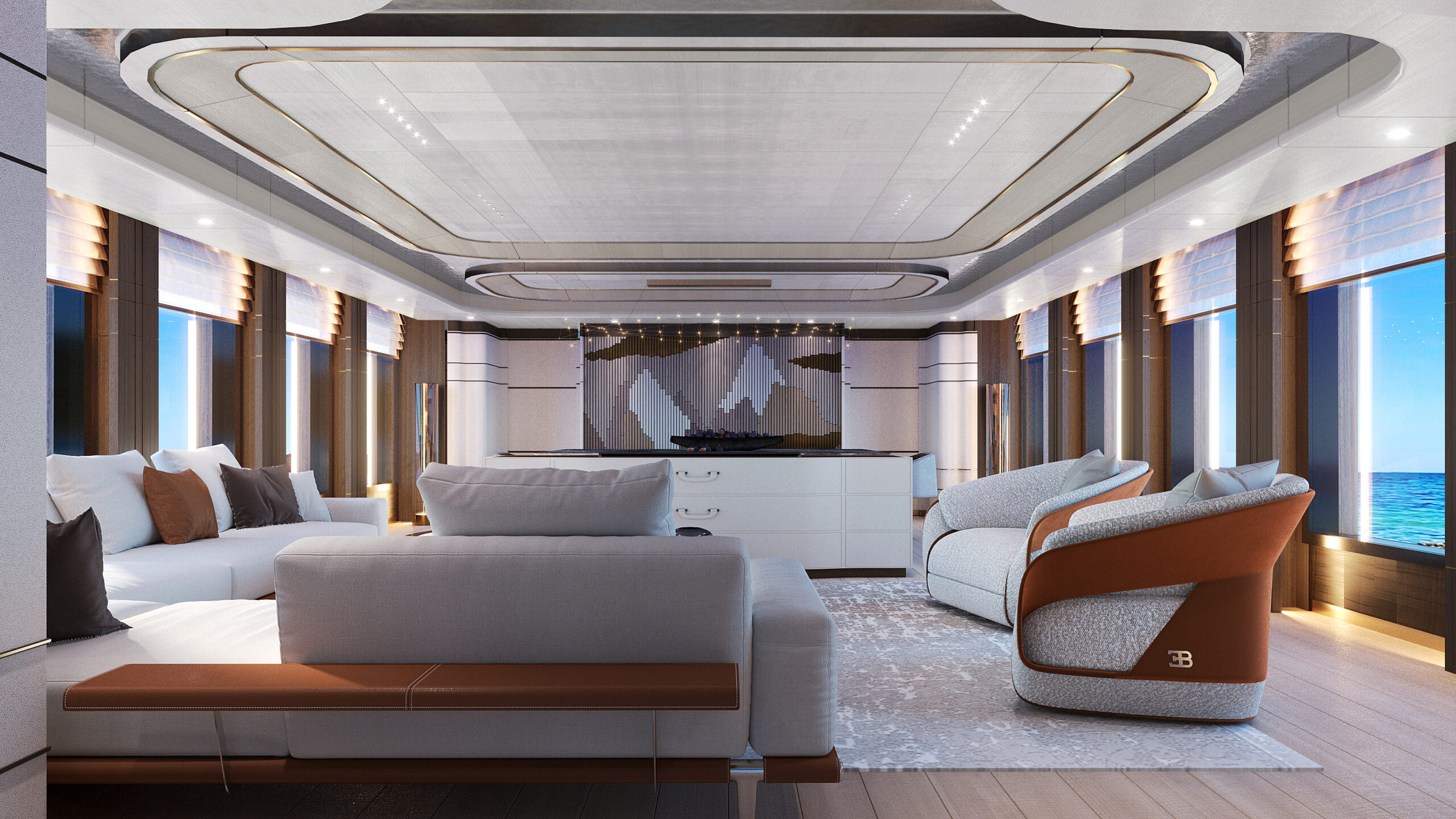
- Classics with a Contemporary Twist. This approach is rooted in historical architectural principles but gains new life through modern elements. Techniques like ceiling and wall moldings, traditional herringbone parquet flooring, and classical fireplaces create a sense of aristocratic refinement. However, the space remains fresh and livable thanks to contemporary accents: curved furniture, advanced kitchen technology, integrated lighting, and smart home solutions. This balance preserves the essence of classic design while adapting it to modern lifestyles.
- Modern Spaces with Classical Accents. Here, minimalism, clean lines, and functionality take center stage, while classical elements serve as subtle but powerful accents. Smooth, uncluttered surfaces dominate the walls, ceilings, and floors, while antiques, classical armchairs, ornate mirrors, or fireplaces bring in history and depth. These elements don’t compete for attention but instead create a refined contrast, adding personality to the space.
The key to balance is respecting both approaches. I never try to make one style dominate the other but instead look for the point where they begin to complement each other, creating something unique.
My Experience: Project Stories
In a villa project in Dubai, I wanted to merge classical architectural language with modern forms, creating a space that is not tied to a specific time or trend. Stucco on ceilings and walls added depth and sophistication, while minimalist furniture with flowing lines introduced a sense of lightness and contemporary energy. Classic materials — marble, wood, metal — remained the foundation, but their presentation evolved. Marble surfaces were paired with glossy and reflective finishes, playing with light and space. The result was an interior that felt not just luxurious but multidimensional and alive.

A London apartment project reinforced my belief that classical elements need strong accents to avoid fading into the background. Ornate moldings, herringbone parquet, and traditional proportions provided structure, while bold geometry, unexpected color pairings, and statement decor injected energy and character.

In an American home, I wanted to show that classical design can be light and effortless. There were no rigid constraints, strict rules, or forced stylistic choices. The space felt breathable — high ceilings, open layouts, large windows. Yet, tradition was still present in the details: balanced proportions, natural materials, and understated elegance.
I always strive to create interiors that feel refined and luxurious yet remain open to personal stories.