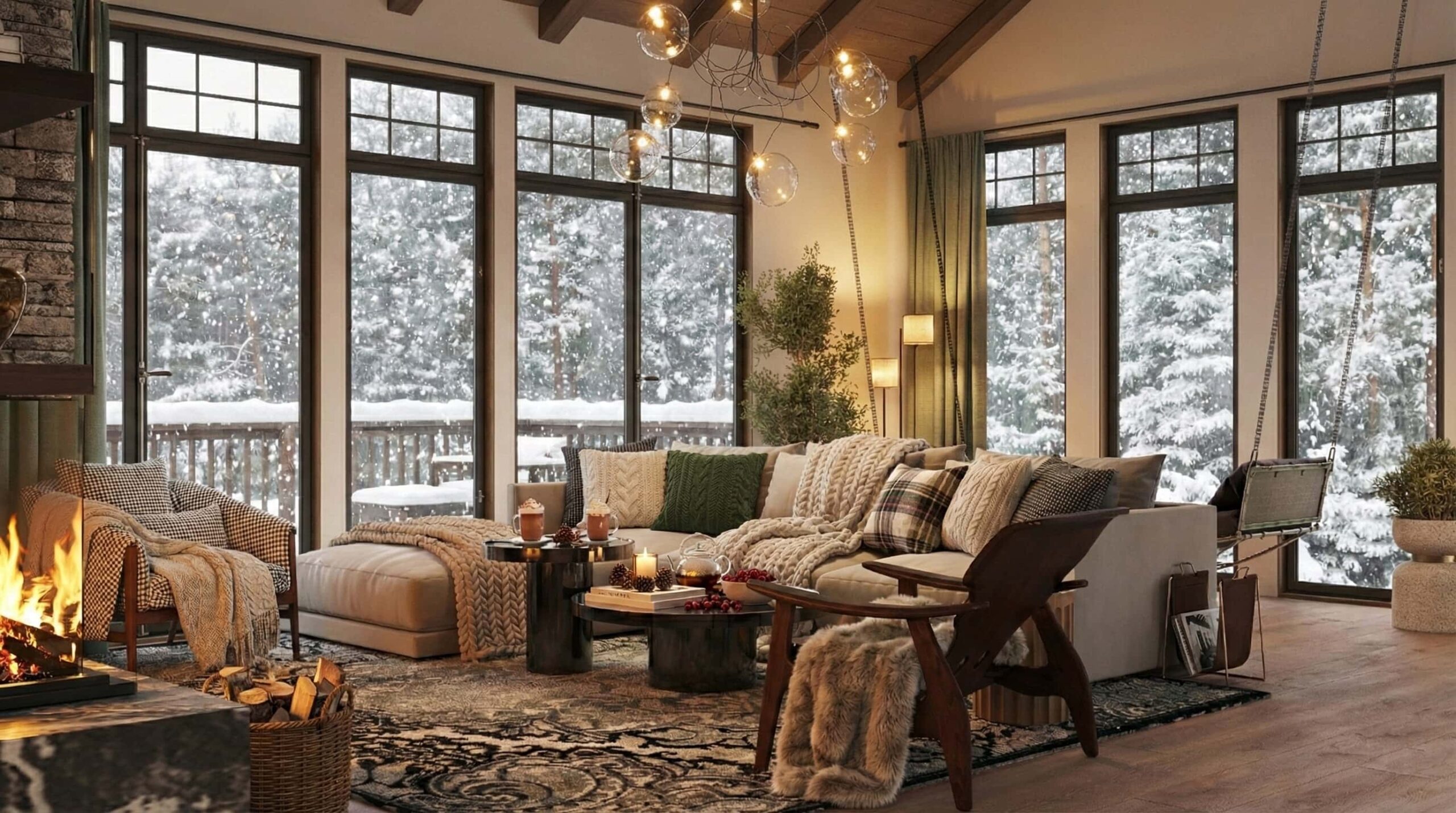
Contemporary Interior Design Style
In recent years, contemporary interior design has established itself as one of the most sought-after approaches among homeowners, interior designers, and architects across the United States. Instead of clinging to a single fixed aesthetic, the contemporary design style is defined by its flexibility, adaptability, and willingness to embrace fresh ideas while maintaining a core commitment to elegance and functionality. Throughout this comprehensive article, we’ll explore the features that define contemporary interior design style, trace its evolution, highlight the latest trends, and provide practical insights on how to create striking yet comfortable modern interiors.

The Evolution of Contemporary Interior Design
The story of contemporary interior design is, at its heart, a story of human progress and adaptability. Unlike static historic styles bound to a certain place and time, contemporary interior design styles evolve in step with new technologies, shifts in society, and changing personal preferences.
While the modern interior design movement of the 20th century was revolutionary in its advocacy for function, stripped-back ornamentation, and honest materials, contemporary interiors go a step further — they embrace impermanence. The contemporary style of interior design is always in flux, reflecting the desires and needs of the present moment. For instance, the post-war minimalism and open floor plans of the 1950s and 60s grew into the bold shapes and vivid accents of the 1980s; today, we see serene palettes fused with state-of-the-art smart technology.
This constant renewal means that what we label as “contemporary” today may differ drastically from what was contemporary twenty years ago. For example, American cities have seen a surge of loft apartments that adapt industrial histories into airy living spaces, peppered with modular furniture that is both functional and visually striking — a blend that’s central to contemporary design style. In coastal California homes, you may find open layouts designed to maximize ocean views and daylight, leveraging innovative sliding walls and eco-conscious materials.
Such adaptability is a hallmark — and a challenge — of contemporary interior design styles. Homeowners and contemporary designers’ interiors must be open to the new, ready to embrace change, and unafraid to integrate technology or combine styles for ultimate customization.
Key Features of Contemporary Interior Design
Ask a dozen contemporary designers and interior professionals to define the style, and you’ll likely hear recurring themes: clean lines, uncluttered spaces, neutral palettes, and an unwavering devotion to function. Some of the key features that distinguish interior design contemporary style include:
- Cleanliness and simplicity — surfaces are often smooth and unembellished. Furniture showcases geometric clarity, with straight or gently curved lines. This structural simplicity fosters a sense of calm.
- Open space and flexibility — open floor plans dominate, making spaces feel larger and more inviting. Rooms seamlessly flow into one another, with sightlines uninterrupted by heavy partitions.
- Functional minimalism — minimalism is at the heart of the contemporary interior design style — clutter is carefully controlled, with each object chosen for its purpose as well as its aesthetics.
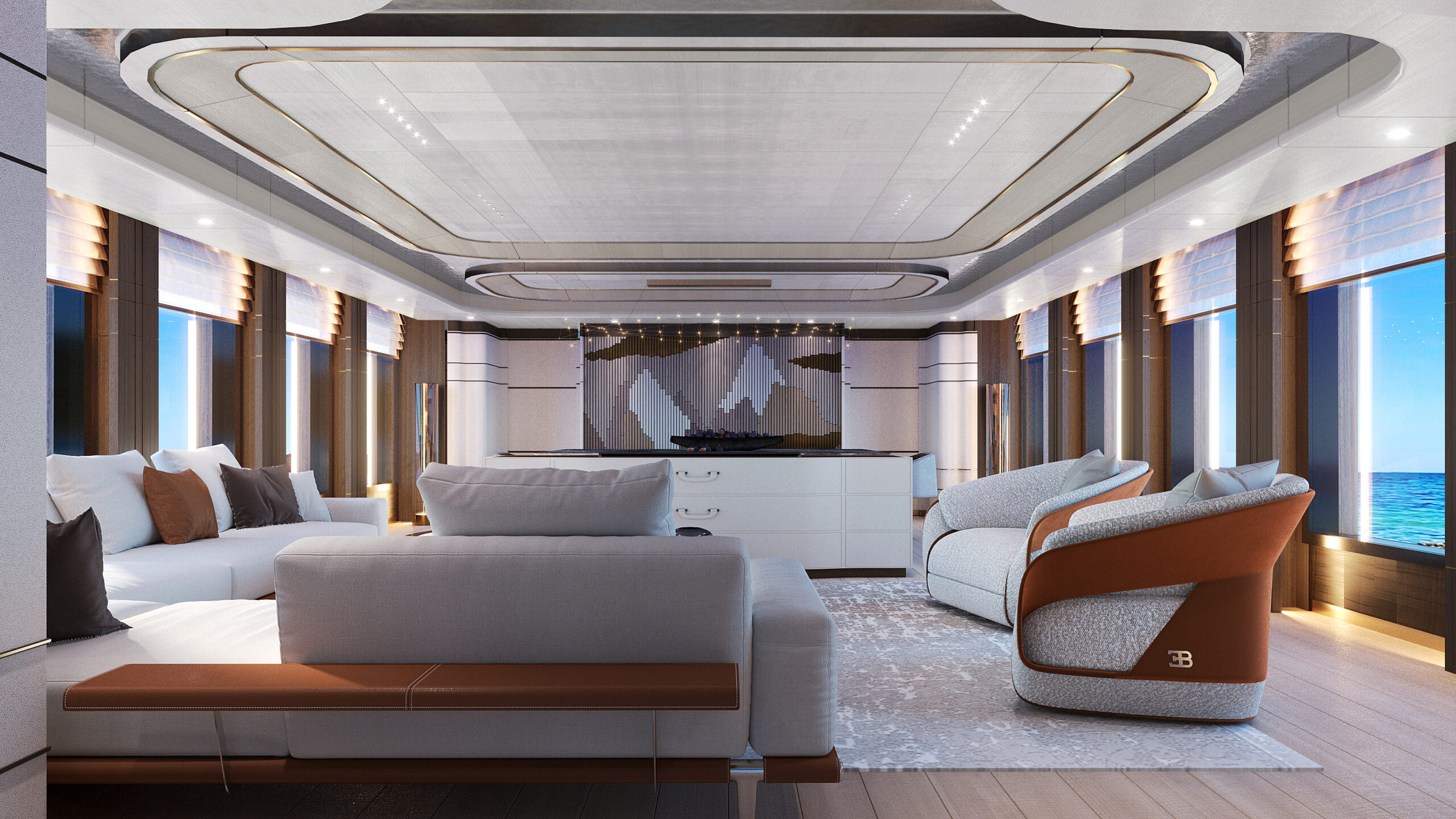
- Subtle elegance — instead of ornate or intricate patterns, contemporary spaces rely on texture and material for visual interest, offering tactile richness through velvet upholstery, polished concrete, or natural wood grain.
- Innovation and technology — the latest fixtures — energy-efficient lighting, integrated smart home solutions, and streamlined appliances — are not afterthoughts, but crucial parts of the design.
- Geometry and form — from an elegant cantilevered staircase to a boldly shaped coffee table, contemporary design loves to play with geometry. Circular, triangular, or even asymmetrical forms bring artistic flair to functional objects.
- Neutral color palettes with bold accents — walls, floors, and large furniture are typically dressed in whites, beiges, and grays, providing an understated backdrop for vibrantly colored art or statement pieces.
Functionality never comes at the expense of beauty; in fact, the two are intertwined in every decision, from the layout and lighting to the choice of materials.

How Contemporary Design Influences Modern Homes
The contemporary interior design style has redefined what comfort and beauty mean in the modern home. Kitchens are open and integrated into living spaces. Bathrooms are turned into spa-like sanctuaries. Bedrooms prioritize serenity with calming palettes and minimalist furnishings.
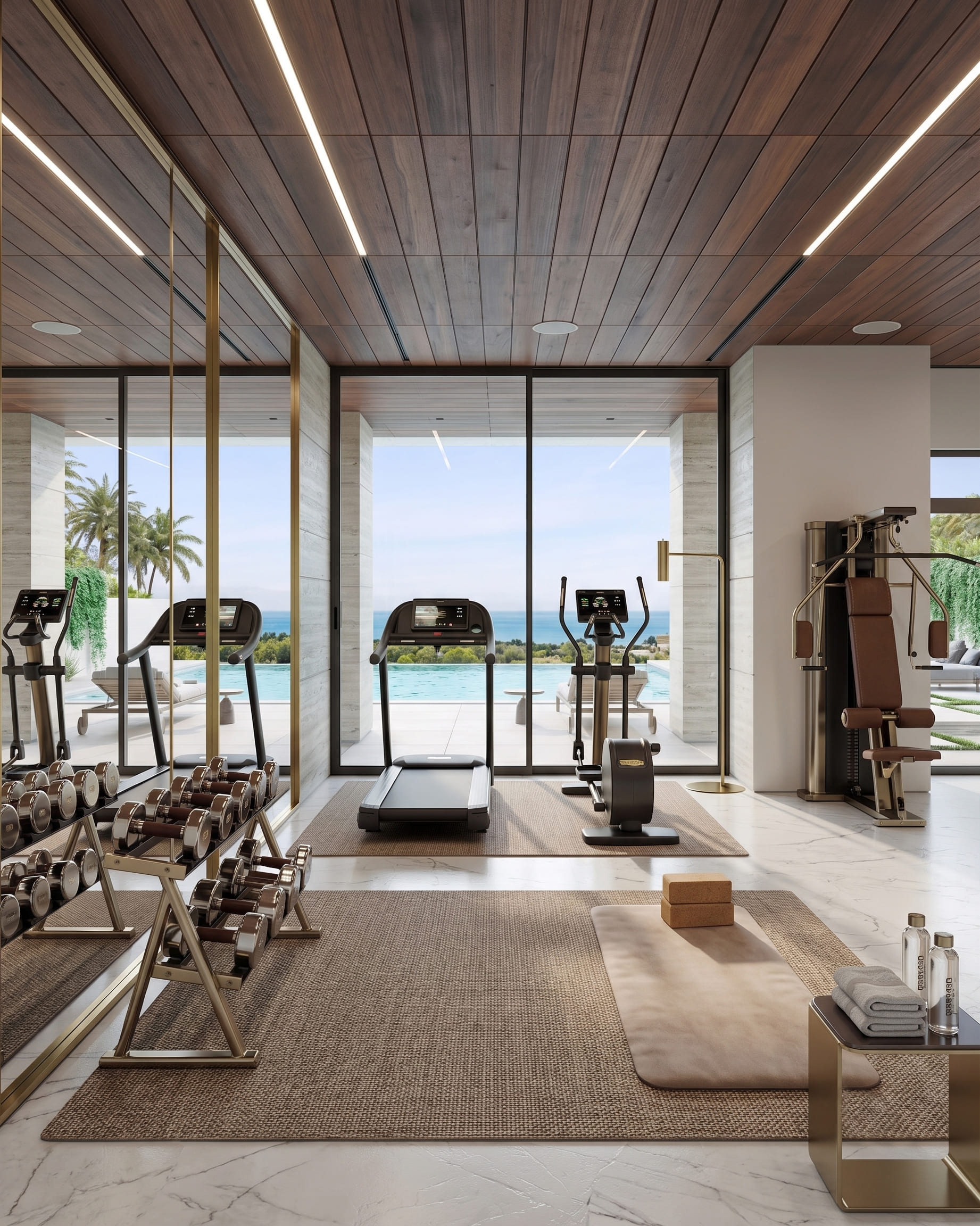
Architecturally, this style has influenced the very structure of homes: think flat roofs, open floor plans, and large panes of glass that dissolve the boundary between indoors and outdoors. Inside, modern interior design elements like floating vanities, frameless cabinets, and linear fireplaces contribute to an overall look that is sleek and refined without being cold.
Popular Trends in Contemporary Interior Design
The popularity of contemporary interior design doesn’t mean all interiors look alike — in fact, the style thrives on the unexpected. Every season brings fresh trends, though certain themes remain enduring:
- Natural light — maximizing daylight through large windows, skylights, and open layouts.
- Sustainable materials — bamboo flooring, reclaimed wood beams, and recycled glass surfaces reflect a growing focus on environmental responsibility.
- Flexible furniture — modular sectionals or nesting tables offer adaptability for changing needs and space sizes.
- Hidden storage — built-in units and multi-purpose furnishings help keep spaces clutter-free.
- Matte and textured surfaces — matte paints, tactile wall panels, and mixed-finish metals replace glossy finishes for a more sophisticated ambiance.
- Statement artwork — large, bold paintings or sculptural light fixtures often become focal points, bringing personality to restrained environments.
Contemporary style design is here to serve not only the homeowner’s lifestyle needs, but their desire for a home that feels highly personalized.

Minimalism and Simplicity in Interior Design
Minimalism is at the core of the contemporary style of design. However, this is not minimalism for its own sake; rather, it is about intentional living. Each item has to give evidence for its existence. Modern, low-profile furniture frequently has hidden storage. The walls are either bare or adorned with a single piece of art. Decorative accents are simple yet powerful.
This method provides a setting that encourages quiet and clarity. The minimalist philosophy of contemporary interior design becomes a kind of haven in a time of continuous triggers. It serves as an important reminder that sometimes minimal genuinely is more.
Integrating Technology with Contemporary Interiors
The integration of technology into the contemporary style of interior design is one of its most distinctive features. Voice-activated assistants, smart lighting, and integrated home automation systems are becoming commonplace rather than futuristic.
These features are discreetly incorporated by designers: lighting that changes according to the time of day, sound systems built into the ceiling, and smart thermostats that fade into the wall. This is where contemporary design style shines, combining state-of-the-art technology with elegant minimalism. The end result is a house that functions well in addition to being aesthetically pleasing. This design concept is ideal for the digital era.
Color Schemes and Materials in Contemporary Interior Design
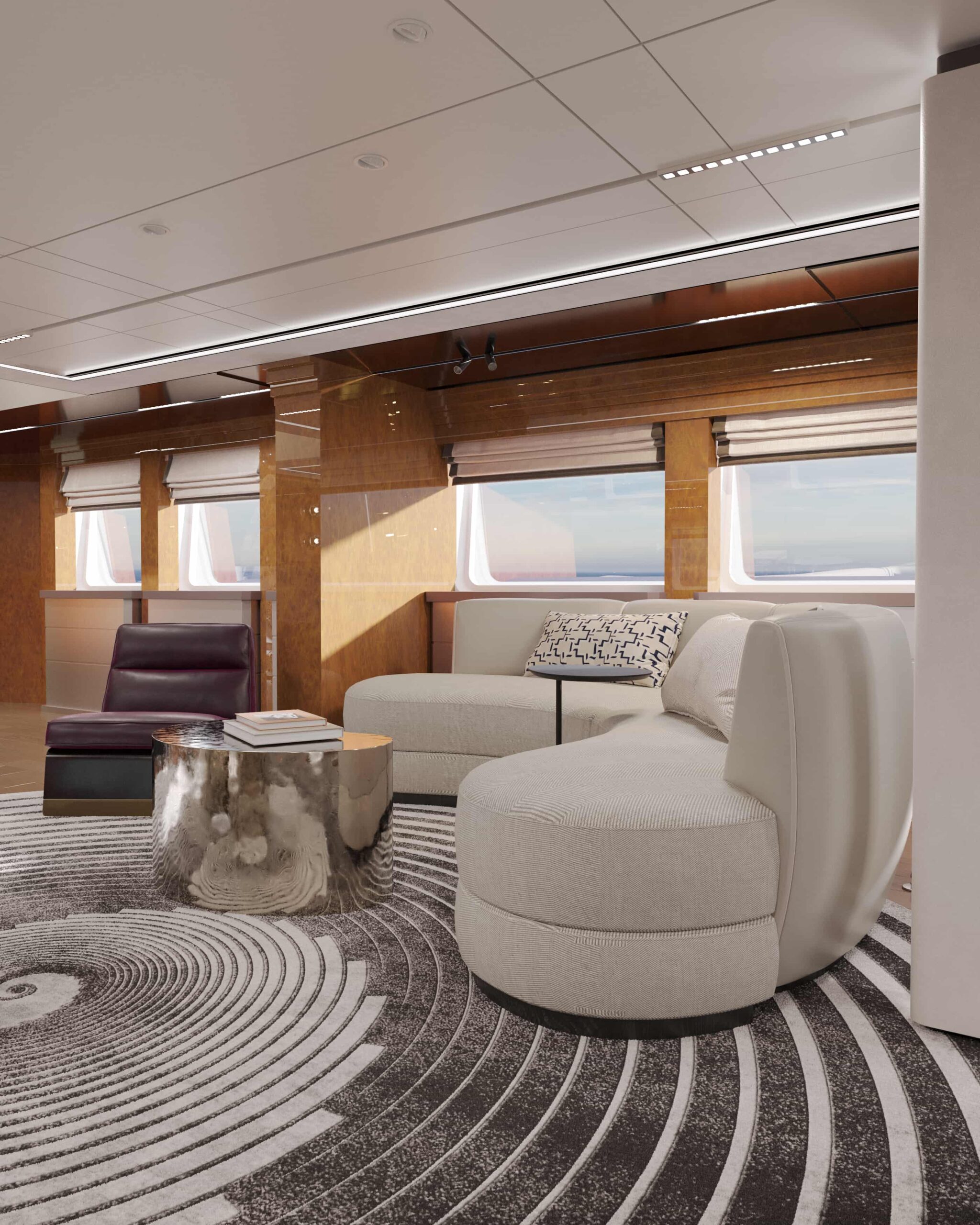
The interior design of the contemporary style is characterised by a muted yet elegant colour scheme. Consider using beige, gentle greys, and off-whites with contrasts of black or charcoal. Accents are used carefully, like a navy feature wall or a mustard couch. Concrete, wood, leather, glass, and steel are examples of materials that are typically unpolished and genuine. The way all of these elements work together is what contributes most to contemporary interior design style. Grainy wood on smooth marble. Textured linen next to polished chrome. Even the most basic spaces are made richer by the tension between these surfaces.

Natural Materials and Earthy Tones in Contemporary Interiors
Naturalism has gained popularity in contemporary design style in recent years. Previously neutral environments are starting to incorporate earthy colours like sand, olive green, and terracotta. Natural elements like wool, stone, and rattan provide grounding and warmth.
A growing desire to re-establish a connection with nature, even indoors, is reflected in this change. In order to achieve the ideal union of warmth with modern interior design concepts, designers combine raw materials with clear lines.
Bold Accents and Statement Pieces in Contemporary Interiors
Even though contemporary interior design has a minimalistic core, individuality is always welcome. Statement pieces like a large art print, a sculptured light fixture, or a vibrantly coloured sofa are examples of this.
These striking embellishments give the room visual drama and focus points. Contemporary interior designers are skilled at knowing when to shout and when to be quiet. As a result, the space feels selected and vibrant rather than sterile.
Creating a Functional and Stylish Home with Contemporary Design
The practicality of contemporary interior design style is what makes it so beautiful. In addition to being aesthetically pleasing, spaces can be useful. Storage is a function of furniture. The purpose of kitchens is to facilitate actual cooking. Living spaces allow for entertaining as well as relaxing. In the contemporary style of interior design, aesthetics and functionality go hand in hand. Form always follows function because aesthetic decisions are made with lifestyle in mind.

Space Optimization in Contemporary Homes
The clever usage of space is one of the main advantages of the modern interior design aesthetic. The layout is crucial in urban residences with restricted square footage. Designers use multipurpose components, concealed chambers, and modular furniture. The goal remains the same: openness, even in larger residences. A key component of contemporary interior design style is the removal of visual and physical obstacles, which improves movement and gives the house a sense of space and connection.
Lighting and Ambience in Contemporary Interiors
In interior design, lighting is frequently the hidden hero. It is a key component of interior design in the contemporary style. The use of skylights and large windows emphasises natural light. A combination of task, ambient, and accent lighting creates depth at night.
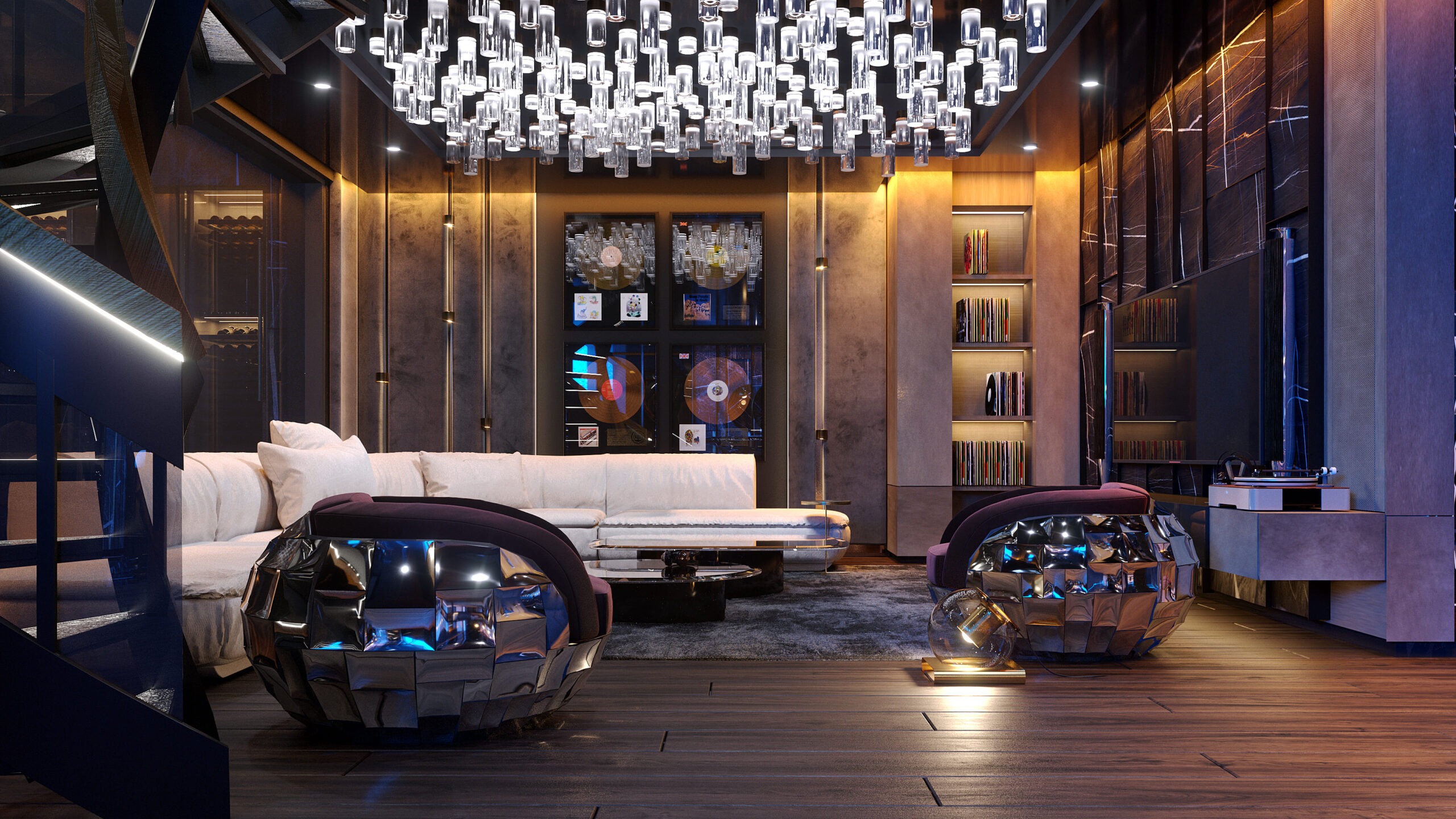
Fixtures become works of art, such as sleek pendants, LED strips, and geometric chandeliers. Customisation can be achieved with smart lighting systems according to activity, time, or mood. This adaptability guarantees that contemporary interior design style fits well with the rhythm of everyday life.
Contemporary interior design is a classic that keeps changing to reflect our tastes, lifestyles, and technological advancements. It achieves a special balance between comfort and innovation, simplicity and individuality, and beauty with functionality. Modern interior design gives you the freedom to create a space that genuinely captures your identity, whether you’re equipping a family home or remodelling a loft.
Through the use of simple lines, well-considered materials, and innovative ideas, modern interior design transcends fashion and becomes a way of life. Additionally, despite the ongoing changes in the design industry, one thing never changes: the timeless attractiveness of contemporary interior design style.