Yacht Architecture & Design
Crafting a truly exceptional modern yacht demands more than just aesthetic appeal; it requires deep expertise in yacht architecture, intuitive yacht design, and a seamless blend of luxury and practicality. In the ever-evolving world of marine innovation, a yacht is no longer just a means of transportation; it is a floating expression of individuality, engineering mastery, and high design. Whether you’re an owner, enthusiast, or industry professional, understanding how yachts are envisioned, built, and refined is key to appreciating their value.
This article dives into the essential elements of luxury yacht architecture from the hydrodynamic form of the hull to the latest in interior innovations. We’ll explore how functionality meets style, how technology empowers comfort, and how sustainable choices are shaping the future of yacht interior design.

The Fundamentals of Yacht Architecture
The yacht design sets the foundation for everything else that follows. From a naval engineering standpoint, this includes the vessel’s stability, structural safety, and overall performance. From a designer’s perspective, it’s about sculpting an iconic silhouette while optimizing space and lifestyle usability on board. The best yacht designs are those where form and function are inseparable.
Hull Design and Hydrodynamics
A yacht’s hull is its most critical design component. Not only does it determine speed and fuel efficiency, but it also affects comfort, handling, and seaworthiness. An efficient hull must minimize drag while maximizing lift and stability.
Designing the best yacht design starts with selecting the right hull type — planing, displacement, or semi-displacement based on how the vessel will be used. The bow plays a vital role here. Many recent vessels use a vertical or reverse bow, not only for yacht architecture modernity but for smoother water penetration. These hydrodynamic principles also extend to underwater appendages like stabilizing fins, foils, or gyroscopic systems that reduce roll and enhance passenger comfort in open seas. Every curve is calculated, every angle deliberate, achieving that elusive balance between grace and grit.
Structural Integrity and Materials
Next to hydrodynamics, the structural framework of a yacht must withstand marine forces over time. This is where material selection becomes central in yacht architecture. It favors aluminum for its lightness and corrosion resistance, especially for upper structures, while steel remains the material of choice for the hull in large superyachts. In smaller luxury yacht architecture, performance-focused yachts, carbon fiber reigns, allowing bold shapes without compromising strength.
Innovative Engineering Solutions
Yacht engineering is now an interplay of mechanical genius and digital intelligence. From hybrid propulsion systems to AI-enhanced navigation, these advancements redefine what’s possible in yacht design. Stabilization systems have also evolved. Onboard automation now integrates lighting, temperature, AV systems, and shading, all controllable via tablet or smartphone. In terms of navigation, yachts today are more technologically advanced than many commercial vessels. Integrated bridge systems offer radar, sonar, GPS, and autopilot in a unified display, enhancing the safety and efficiency of yacht architecture.
Luxury Yacht Design: Combining Elegance and Functionality
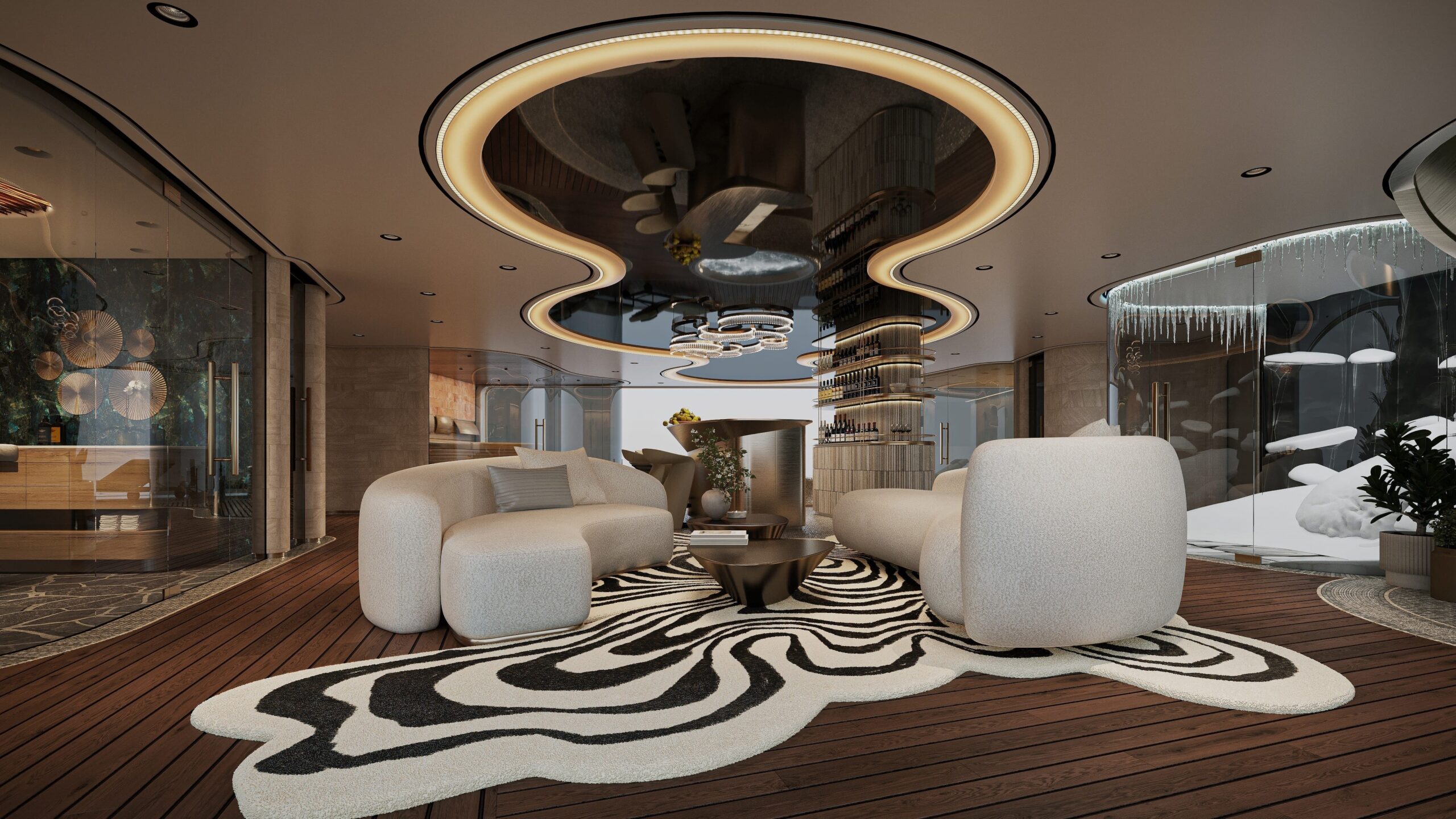
Luxury in design yacht interior goes beyond appearances; it’s about comfort, harmony, and tailored experiences. Today’s luxury yacht interior design is immersive, thoughtful, and highly personalized.
Exterior Styling and Aesthetics
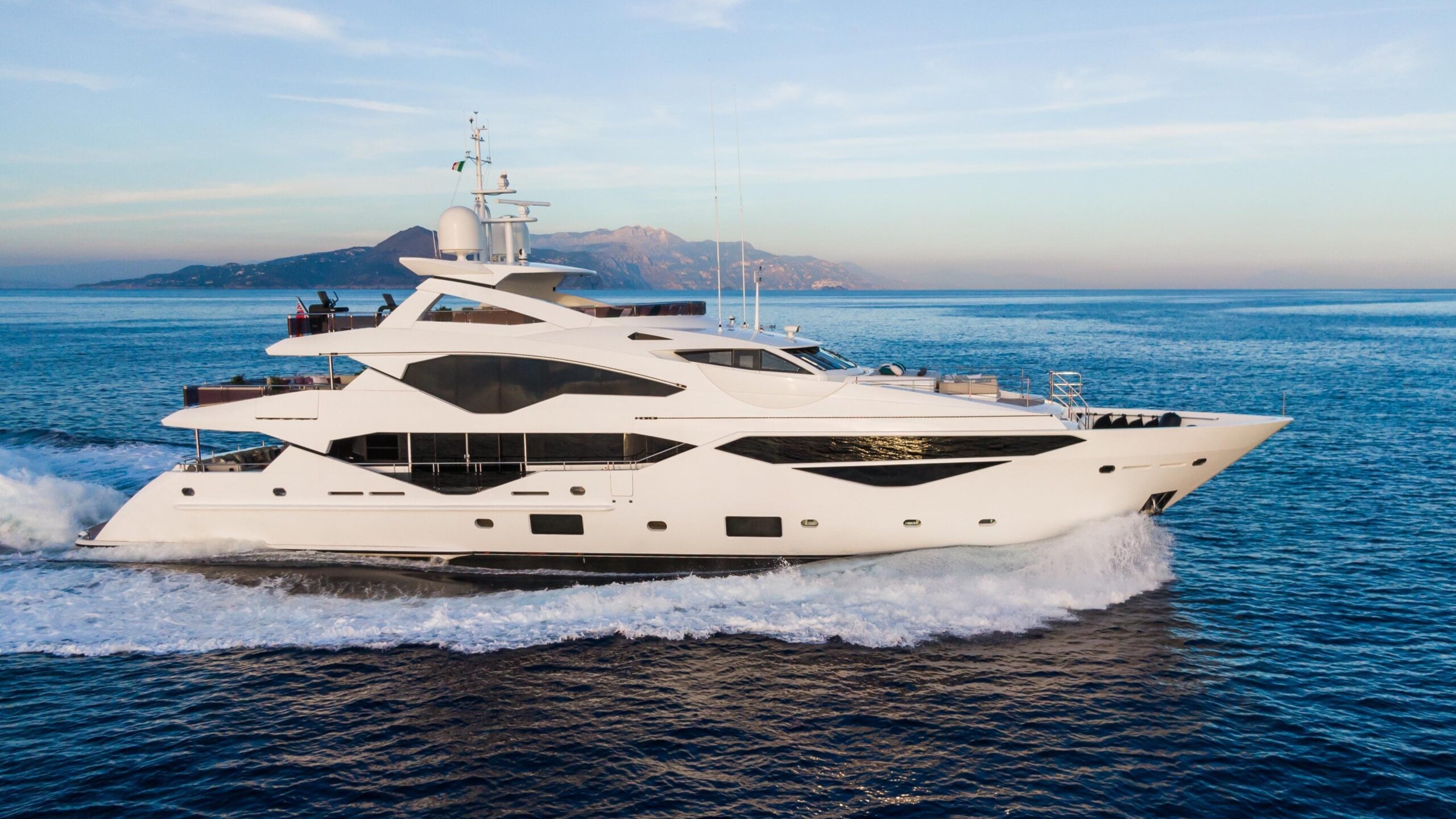
The exterior of a yacht is its signature, an architectural sculpture that reflects the owner’s taste and the designer’s vision. Many modern yacht designs feature sleek, minimalist lines, large expanses of glass, and dynamic geometry.
The best yacht design for exteriors considers proportion, symmetry, and fluidity. Designers carefully shape elements like the flybridge, transom, and deck layout to create harmony. Lighting also plays a crucial role; LED systems can highlight structural lines or transform the entire mood of the vessel after sunset. Even the color of the hull can convey personality.
Interior Architecture and Space Planning
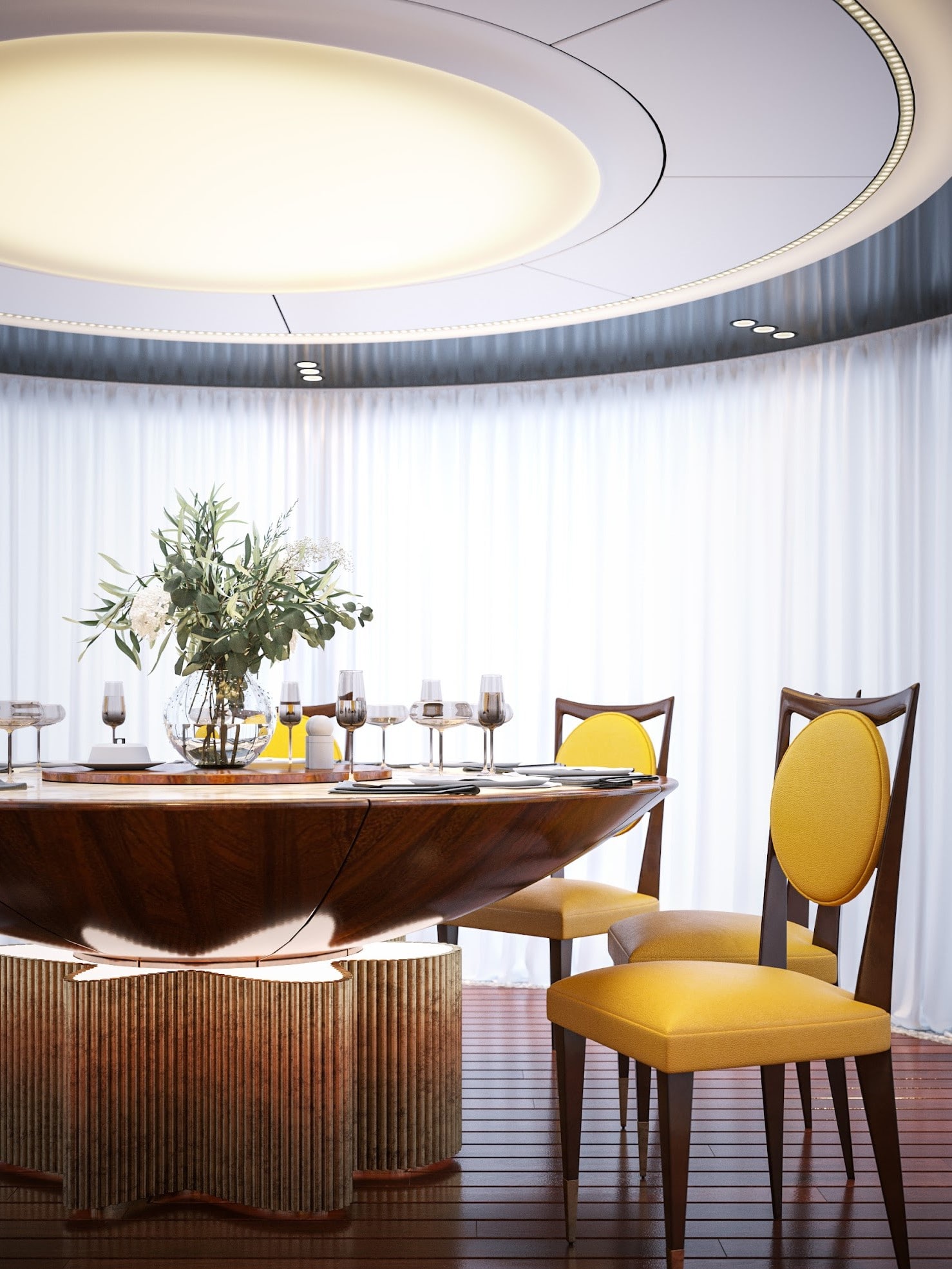
Interior design in a yacht is about spatial intelligence. With limited square footage and unusual geometries, interior yacht designers must think three-dimensionally, layering functions and transitions in a way that feels natural. The design yacht interior process often begins with space optimization. Staircases are minimized or curved to open up flow. Walls are replaced with glass partitions to increase light. Folding balconies, sliding doors, and transformable furniture add flexibility.
Material Selection and Luxury Finishes
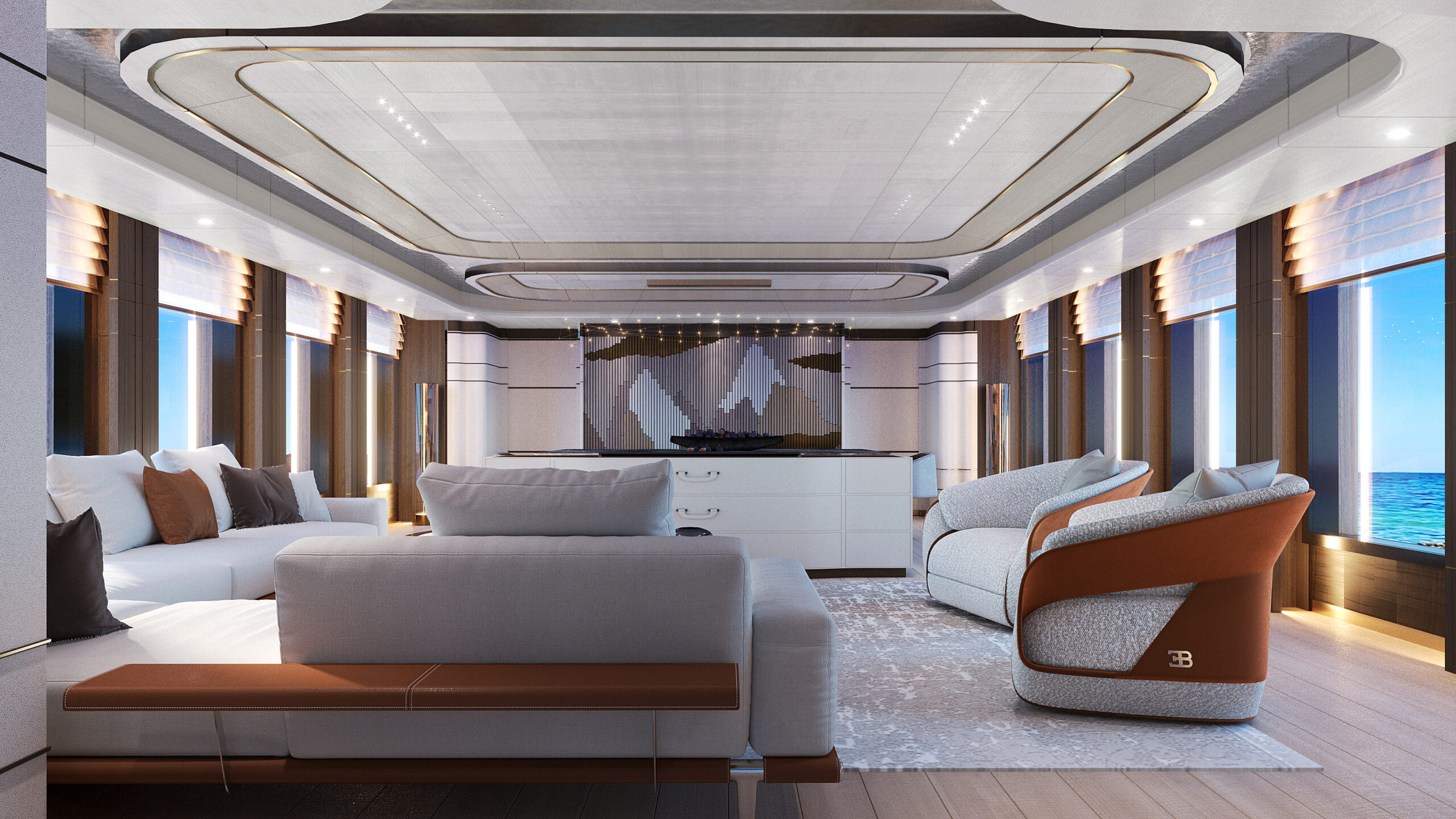
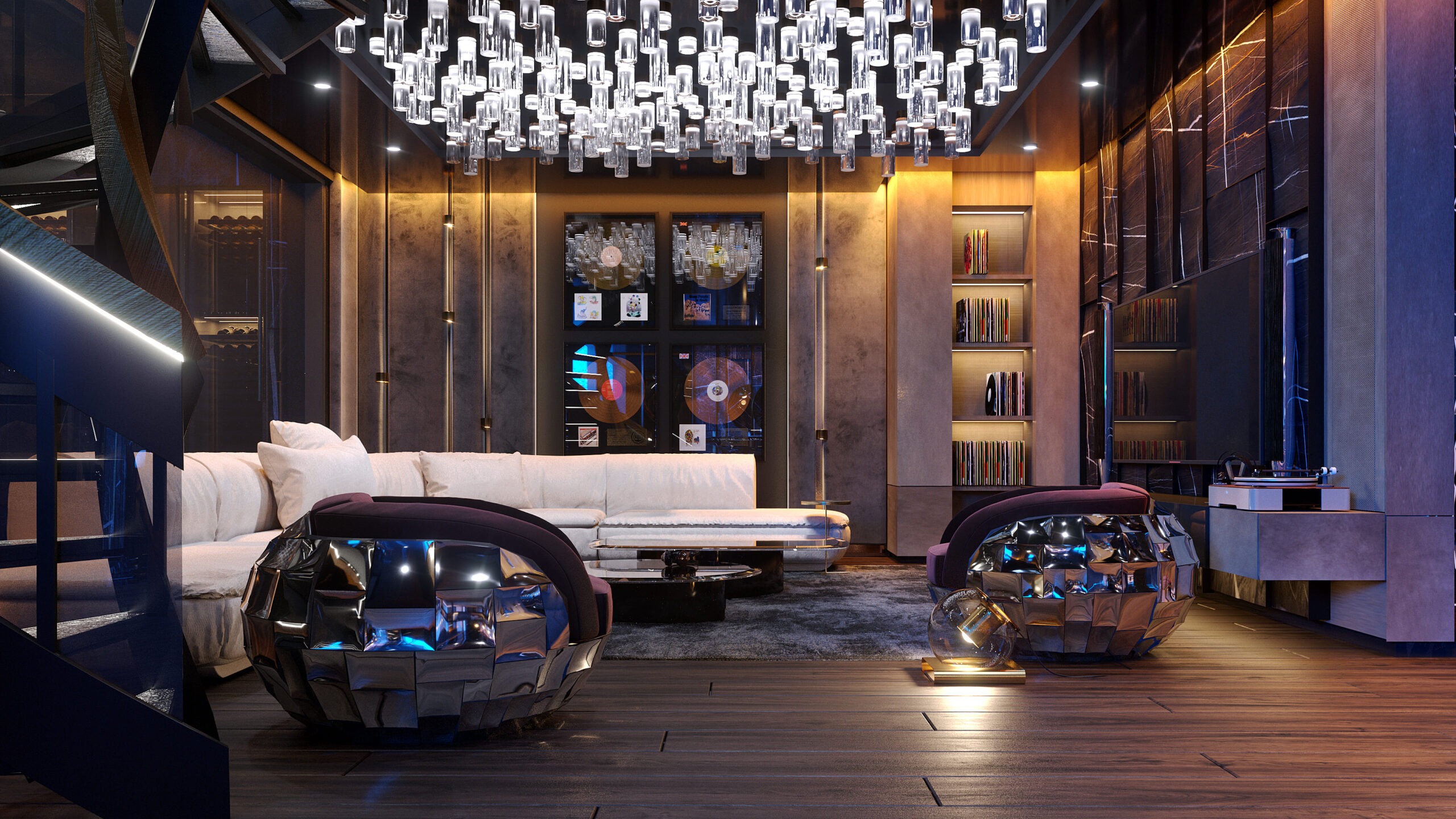
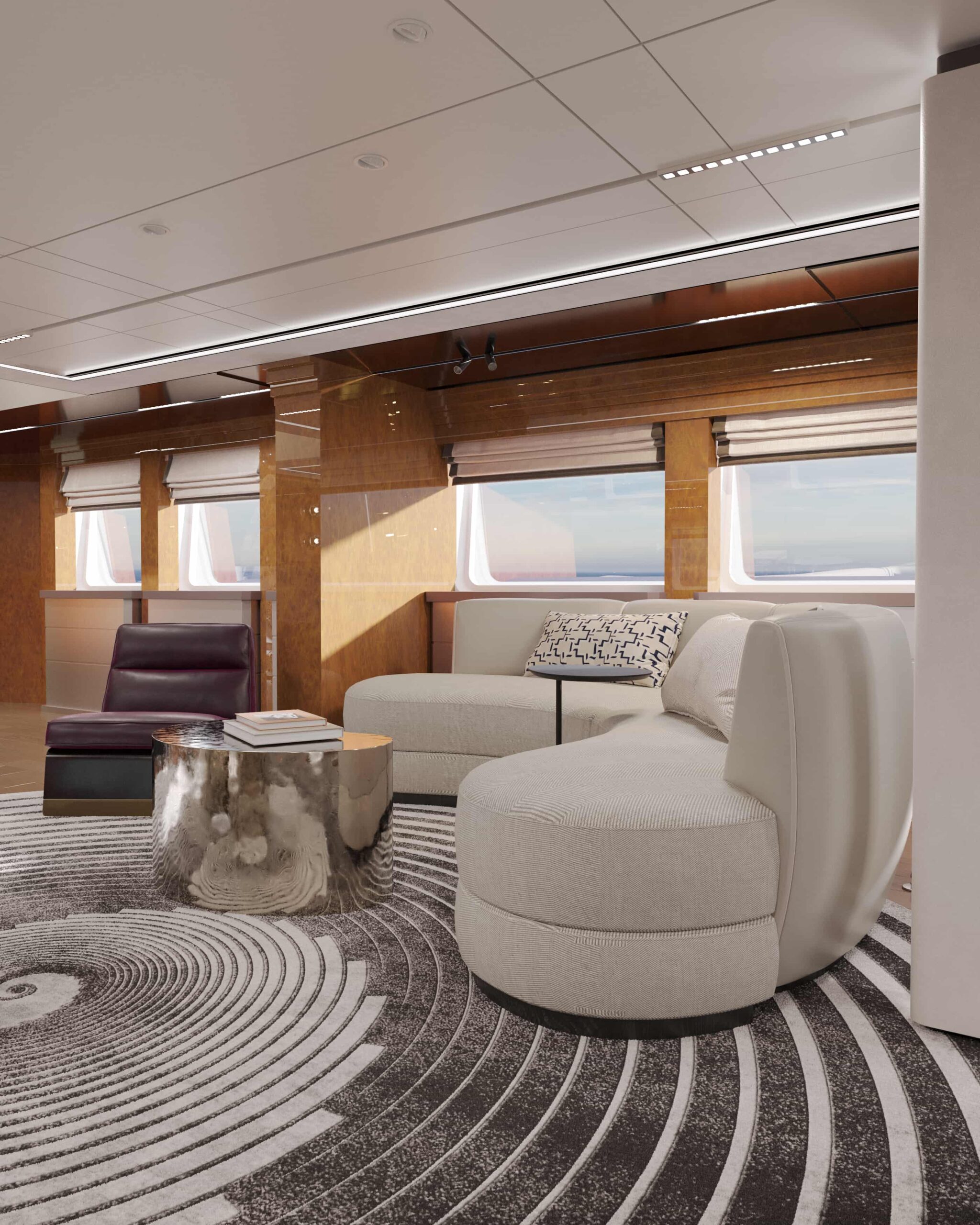
Materials are the language of luxury. In luxury yacht interior design, it’s not just what you see, but what you touch, hear, and feel. From polished stone to supple leathers, every material is chosen for its texture, resilience, and sensory impact. Designers often mix exotic woods like wenge or eucalyptus with Italian marbles such as Calacatta or Nero Marquina. Upholstery ranges from Alcantara to fine cashmere. Custom metalwork in bronze, rose gold, or brushed stainless adds modernity and contrast.
The result? Yacht interior design that feels more like private penthouses than seafaring vessels, with the added challenge of enduring movement, salt air, and shifting humidity. Every choice must be both beautiful and marine-grade.
Key Elements of Successful Yacht Design
When we look closely at what separates a good yacht from a truly exceptional one, it often comes down to details that are invisible at first glance — ergonomics, seamless technology, and smart sustainability. The following elements form the backbone of successful yacht architecture and the best yacht design, ensuring not only style but also intelligent functionality.
Ergonomics and User Experience
Unlike residential design, a yacht must serve multiple purposes in a limited, mobile space, such as transport, entertainment, and retreat. That’s why yacht interior design focuses so intensely on ergonomics. Every movement of the body is considered. Every sightline is optimized.
For example, galley kitchens are placed close to dining areas for efficiency, while cabins are insulated from engine noise and vibration. Dayheads are accessible from outdoor decks without walking through the design yacht interiors. Staircases are gently angled and fitted with handrails designed for motion at sea. The result is an experience that feels effortless, even in the most complex surroundings.
Technological Integration
The integration of technology into yacht design has redefined the modern onboard lifestyle. From intuitive lighting systems to real-time performance analytics, today’s yachts are smarter, more responsive, and more secure than ever before.
Most superyachts now include centralized control systems that manage navigation, security, audio-visual, and climate controls seamlessly. Smart lighting and climate zones enhance comfort, while integrated displays make controlling complex systems easy, even remotely via an app. Moreover, navigation tools include radar, thermal imaging, autopilot, and dynamic positioning, often found in commercial vessels but customized for luxury. This technological edge has become an essential feature of the best yacht architecture in the world.
Sustainability and Eco-Friendly Solutions
Perhaps the most exciting evolution in yacht architecture is the shift toward sustainability. Hybrid propulsion systems are now common in luxury builds, reducing reliance on fossil fuels. Even in interior design, green thinking prevails. Materials like recycled teak, natural fabrics, and low-VOC finishes are used in yacht design. Water purification systems reduce plastic bottle usage. LED lighting and smart HVAC systems cut power consumption. Eco-design is no longer a trend; it’s a direction the entire marine industry is sailing toward.
Leading Yacht Architecture
Luxury yacht architecture is as much about emotion as it is about engineering. It’s a craft where bold ideas meet precision, and where every curve or contour speaks to a larger vision of life at sea. Behind the world’s best yacht designs are ideas to not just build yachts but shape how we experience them. Through thoughtful design, we set new standards, challenge conventions, and bring to life spaces that feel both extraordinary and deeply personal.

Signature Styles of Top Yacht Design
Yacht architecture today embraces a spectrum of stylistic directions, each offering a unique take on comfort, aesthetics, and innovation. One approach leans into bold architectural forms and masculine silhouettes, vessels defined by angular lines, geometric structures, and cutting-edge technology. These yachts project confidence and strength, often merging advanced engineering with sculptural exterior profiles that command attention at sea.
In contrast, another prevailing philosophy prioritizes serenity and warmth. Interiors follow a more understated, relaxed concept — think beach house rather than penthouse. Natural textures, soft neutral palettes, and an emphasis on openness create calming environments designed for unwinding. These spaces feel effortless, yet are meticulously composed to balance luxury with livability.
Recent Innovations in Yacht Design
The last five years have seen incredible shifts in how luxury yacht architecture is designed and built. Glass is one of the most transformative materials, allowing for floor-to-ceiling windows, underwater observation lounges, and even transparent decks.
Many luxury yachts now collaborate with automotive brands. For example, the Lexus LY 650 brings Japanese design sensibilities into a sleek 65-foot cruiser. Similarly, Aston Martin and Bugatti have released limited-edition yacht projects, marrying performance with lifestyle branding.
And let’s not forget artificial intelligence. Some shipyards now integrate AI for real-time optimization of route planning, fuel usage, and weather detection technology borrowed from commercial shipping but adapted for leisure use.
Tips for Achieving the Perfect Yacht Architecture & Design
Whether you’re a future owner or a yacht interior designer advising a client, the journey to a perfect yacht begins with thoughtful choices. These recommendations will help ensure your yacht’s interior design, architectural layout, and engineering decisions align with the highest standards of comfort, aesthetics, and practicality.
Balancing Aesthetics and Performance
It’s tempting to focus on visual drama, but your yacht design must also be seaworthy and efficient. For example, a sleek reverse bow may look futuristic, but it must be tested for how it behaves in rough conditions. Similarly, large glass surfaces are stunning, but need proper thermal insulation. A collaborative approach between naval engineers and interior designers ensures that structural needs don’t clash with creative vision and results in the best-designed yacht.
Customizing for Personal Style and Needs
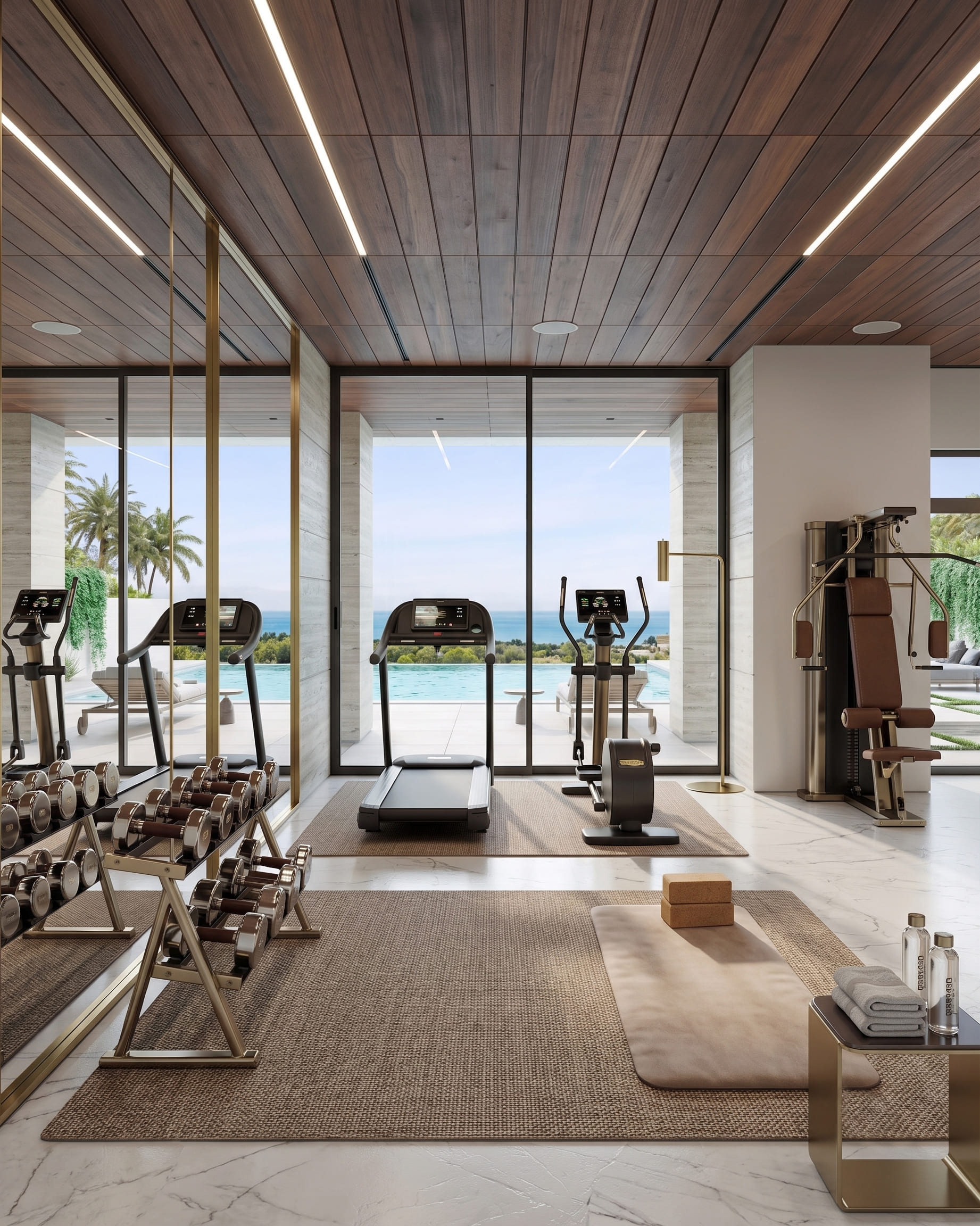
The most satisfied yacht interior designs are those tailored to their owners’ lifestyle. For some, that means a floating entertainment hub with a dance floor, pool, and helipad. For others, it’s a serene retreat with a meditation room, spa, and panoramic lounges.
During the luxury yacht interior design phase, prioritize spaces that reflect how you live. Think about flow: where will you spend mornings, evenings, and downtime? Consider the number of guests you’ll typically host and how much privacy you want from the crew.
Choosing the Right Professionals
Translating a yacht design concept into a fully realized yacht interior is a careful balancing act between aesthetics, functionality, and technical integrity. It depends heavily on who brings it to life, and requires hiring a team that includes both a seasoned architect and a visionary designer to give you the best of both worlds. Together, we’ll align yacht architecture, functionality, and safety in one cohesive design. Success lies in aligning creative ideas with a deep understanding of the vessel’s structure, purpose, and the environment it’s built for.
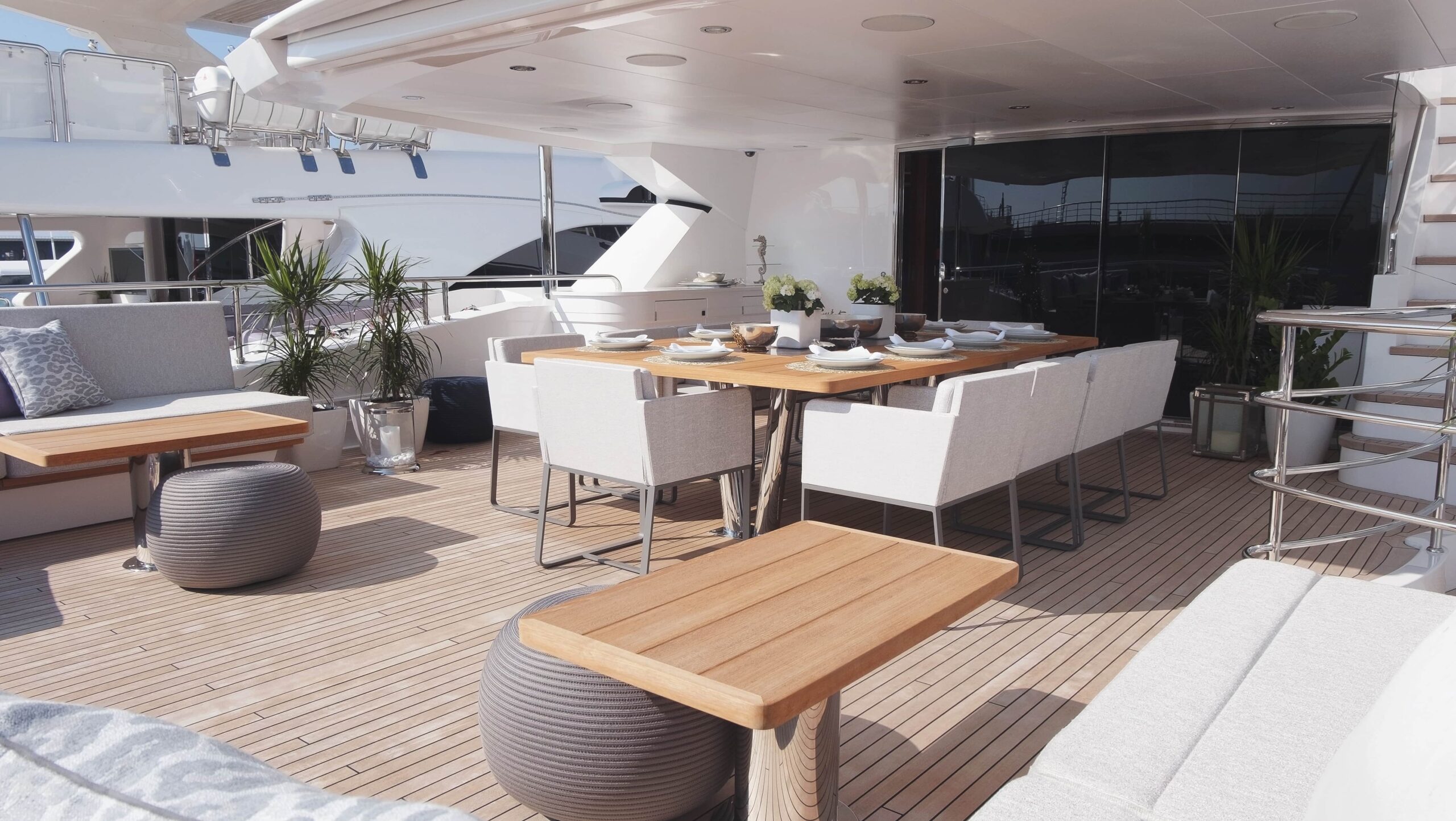
Yacht architecture and yacht design are where engineering excellence meets artistic expression. From the curve of the bow to the choice of leather on a salon sofa, every detail in luxury yacht architecture contributes to an experience unlike any other. The best yacht designs don’t just float — they fly, glide, and seduce.
In this new era of yacht interior design, yachts are smarter, greener, and more tailored than ever. Whether you’re seeking the thrill of innovation, the comfort of luxury, or the quiet pleasure of personal sanctuary at sea, thoughtful design is the key to achieving it all.