Rustic Interior Design Style
Imagine entering a place where the textures are richer, the air is warmer, and each aspect tells the timeless beauty of nature. This idea becomes a reality with rustic interior design, creating a house that feels ageless and grounded. Rooted in the natural world, this design emphasises the raw beauty of wood, stone, and organic materials, offering a relaxing getaway from the fast-paced modern life.
This article will discuss the appeal of rustic design interior, how to incorporate rustic elements with modern requirements, and useful tips for adding genuine charm to your area. The classic ideas of rustic style interior design provide ideas for every home, whether you’re remodelling a cottage in the country or simply trying to bring a cosy touch to a city flat.

Understanding Rustic Interior Design
Rustic interior design is fundamentally about honouring craftsmanship and the natural world. It is inspired by traditional rural homes, ranging from luxurious American lodges to cosy European cottages. These places emphasise authenticity with aged stone, rough-hewn beams, and handcrafted furniture that seems authentic, lived-in, and long-lasting. Rustic design welcomes imperfections in contrast to ultra-modern or clean minimalism. It honours materials that reveal their history, such as reclaimed stone’s cracks, aged metal’s patina, and timber’s knots. Rustic interior design style finds beauty in texture, age, and the raw.
Despite its historical roots, rustic design has become popular in modern houses. In a time when technology dominates, more people are drawn to places that feel authentic and grounded. A sense of peace, a return to essential comforts, and an appreciation of simpler times are the many benefits that rustic interior design offers without compromising on design or functionality. Modern layouts, smart lighting, and even minimalist elements are frequently included in rustic homes of today, demonstrating that rustic design is about establishing an emotional connection through design rather than being out of style.
Key Elements of Rustic Interior Design
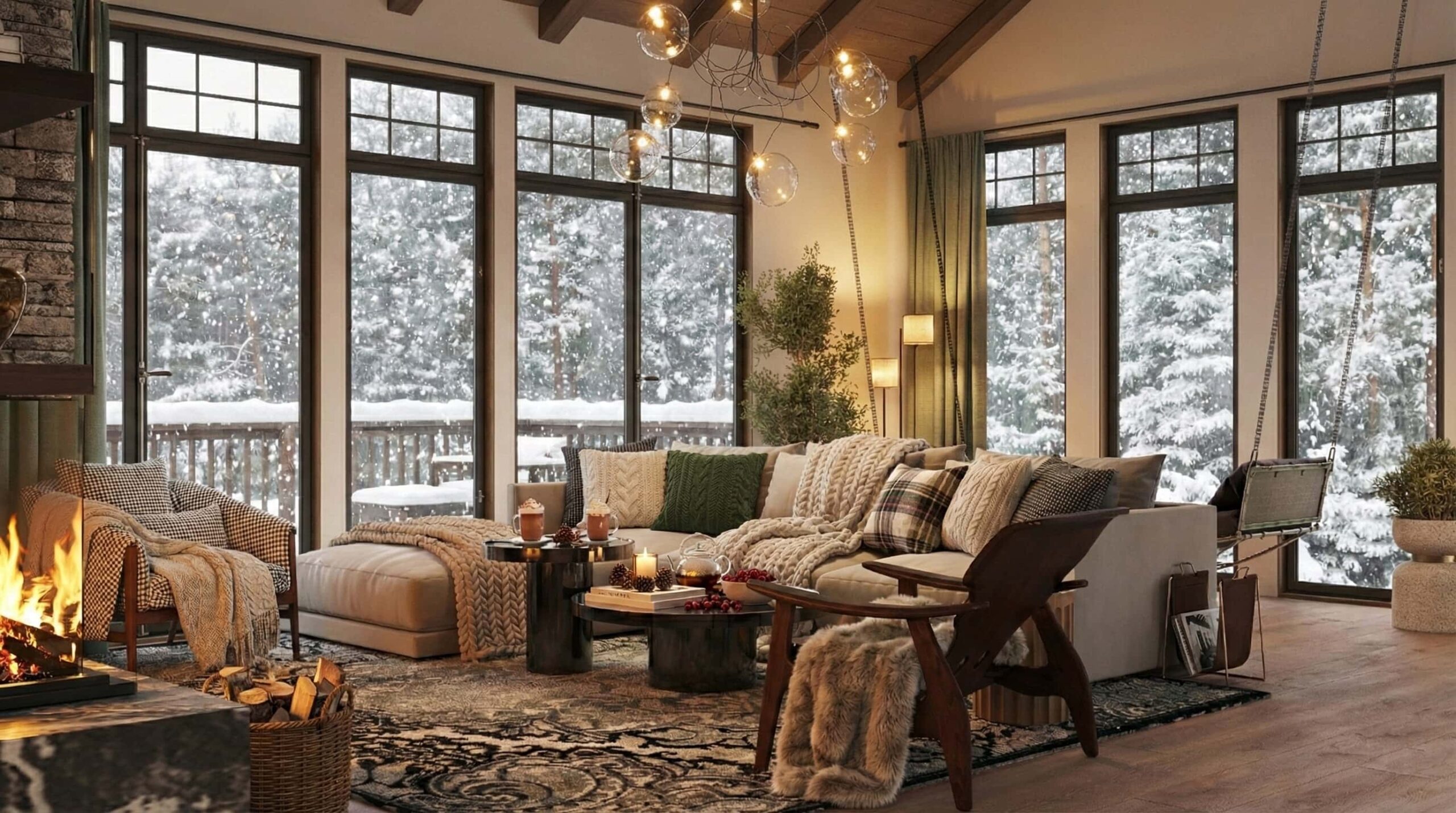
The use of untouched, natural materials is one of the characteristics that define the rustic interior design style. Imagine wide-plank hardwood floors that creak warmly underfoot, stone fireplaces supporting living rooms, and rough timber beams stretching the ceilings. These components provide the room with an emotional dimension and a sense of authenticity, making them more than just decorative.
When it comes to rustic interiors, wood is the clear winner. Particularly reclaimed wood reveals details about its previous existence; perhaps it was the foundation of a barn or a farmhouse that dates back hundreds of years. Homeowners can add depth and character to their interior spaces by selecting wood that has visible grain, knots, and weathering. Wood is enhanced by the strength and earthiness of stone, clay, and wrought iron. While natural textiles like linen, wool, and burlap soften the look and keep the room from being too harsh, metal accessories like forged iron chandeliers or old copper pots add to the room’s rustic charm.
Textural experiences are celebrated in rustic interior design. Roughly woven textiles, uneven stone walls, and hand-thrown ceramics are examples of furniture and décor that invite touch rather than high-gloss finishes or polished surfaces. The layered, worn-in feel that this tactile richness produces makes rustic housing distinctly comfortable.
In reality, the fact that rustic interior design does not aim for perfectionism is one of the reasons it’s still so popular. Weathered paint, dents, and scratches are signs of authenticity rather than defects.
The Appeal of Rustic Design
In a world where quick living and slick technology are becoming more and more common, rustic interior design style provides a haven. Realistic and long-lasting places have a psychological draw. You feel a connection to the past, the land, and simpler pleasures when you warm yourself by a stone hearth or run your hand over a rough timber table.
Because it appeals to universal needs like warmth, comfort, and authenticity, rustic interior design is favoured among designers and homeowners. It should come as no surprise that even upscale modern homes now include rustic features, such as a feature wall made of reclaimed wood, a vintage farmhouse sink, or a stone fireplace in the lodge style.
The adaptability of rustic design is another of its charms. Rustic interior design characteristics can be incorporated into any type of home, whether it’s a small suburban house, a large country estate, or a small city flat. A clean room can be instantly made to feel more unique and charming with the addition of a single barnwood accent wall, some worn leather chairs, or old woven rugs. To avoid feeling cold, rustic elements can be included in even modern designs. A striking contrast that feels both new and grounded is produced by combining sleek modern furniture with rustic materials.
How to Incorporate Rustic Design in Your Home
Adding rustic interior design to your house is more about intention than it is about remodelling. To create a genuine, lived-in sense, concentrate on blending timeless concepts and natural textures.
Start with the essentials: hand-forged metal fixtures, stone walls, and reclaimed timber floors. The interior rustic design is instantly anchored by these essential elements. For cosiness and personality, incorporate aged mirrors, vintage farmhouse furniture, and soft fabrics like wool and linen. Real rustic design interior accepts flaws and isn’t perfect. Carefully combine rustic materials with modern elements so that each piece tells a tale. The outcome? A comfortable, grounded area that feels timeless and intimate.

Choosing the Right Materials for Rustic Interiors
The materials are the first step in capturing the essence of rustic interior design. Give priority to elements that seem natural and imperfect. A rustic interior design style vibe is immediately created by exposed brick, stone accent walls, reclaimed wood floors, and hand-forged metals.
When selecting wood, look for worn planks that are wide enough to show knots and grain patterns. Lime-washed brick or natural stone gives walls a timeless appearance. Rough-hewn timber beams and clay tiles provide a strong base for an interior design in the authentic rustic style. Natural elements should also be reflected in soft furnishings, such as woven jute rugs, linen curtains, and wool throws, which balance the natural beauty of hard surfaces.
Rustic Furniture and Decor Ideas
The primary focal point of any rustic design area is the furniture. Seek out large, robust pieces made of old leather or solid wood. Consider hand-carved bed frames, antique wooden dressers, and large farmhouse tables.
When choosing décor, look for pieces that have a handmade feel. The rustic interior design style is further enhanced by vintage ceramic pots, barnwood shelving, wrought iron candle holders, and antique mirrors with distressed frames. Layering elements like repurposed timber seats, weathered vintage trunks, or soft wool blankets contributes to a comfortable, lived-in atmosphere that represents authentic rustic interior design.
Creating a Cozy Rustic Atmosphere
Rustic interior design naturally fosters warmth and comfort by focusing on textures, colors, and lighting that evoke a connection to nature. Imperfection is key: celebrate the knots in wood, the rough edges of stone, and the handmade quality of textiles. Layering these tactile elements gives rustic design interior its signature welcoming feel, creating spaces that invite you to relax and stay. Oversized linen sofas, vintage timber tables, knitted throws, and earthy palettes complete the cozy atmosphere, blending elegance with the spirit of simplicity.

Color Palettes for Rustic Interiors
Color is a vital tool in setting the mood in rustic style interior design. Earthy, muted tones dominate rustic spaces, helping to create interiors that feel grounded, timeless, and serene. Warm neutrals like sandy beige, creamy ivory, and taupe serve as a perfect base, providing a soft canvas that highlights the textures and natural materials in the room. Deeper shades such as moss green, burnt sienna, rusty red, and charcoal gray introduce richness and echo the beauty of forests, deserts, and mountainscapes.
Layering these colors thoughtfully allows different elements to shine without overwhelming the senses. For instance, pairing reclaimed wood floors with soft gray wool rugs or combining a stone fireplace with warm terracotta accents adds both harmony and interest. Ultimately, rustic interior designs thrive when the color palette feels organic and unforced, as if the home itself grew naturally from the surrounding landscape.
Lighting and Ambiance in Rustic Design
Lighting is a powerful tool for enhancing the texture, mood, and authenticity of a rustic space. In rustic interior designs, lighting should feel warm, inviting, and slightly imperfect, complementing the natural materials and cozy atmosphere.
Start with ambient lighting that creates a soft glow rather than a harsh brightness. Use warm-toned bulbs to mimic the golden hues of candlelight or the setting sun. Overhead fixtures crafted from wrought iron, reclaimed wood, or aged metals enhance the rustic charm, whether it’s a grand farmhouse chandelier or a series of vintage pendant lights.
Accent lighting also plays a crucial role. Table lamps with linen or burlap shades, wrought iron sconces mounted on timber beams, and vintage lanterns placed thoughtfully throughout the home add both functionality and beauty.
Importantly, rustic style interior design principles favor layering light sources at different heights to create depth and a sense of warmth. The interplay of light and shadow across textured surfaces—weathered wood, rough stone, handwoven textiles—brings rustic interiors vividly to life, making every corner feel intimate and alive.
Rustic interior design isn’t just a style — it’s a feeling. It’s about crafting spaces where authenticity, nature, and comfort meet. Whether through reclaimed timber beams, cozy wool throws, or the timeless charm of barnwood furniture, rustic interiors offer a retreat from the modern world’s noise. By understanding the principles behind rustic design interior and thoughtfully choosing materials, colors, and decor, you can create a home that feels warm, genuine, and utterly inviting. Whether you live in a countryside farmhouse or a sleek city apartment, elements of rustic style interior design can bring natural beauty and enduring charm into your everyday life.