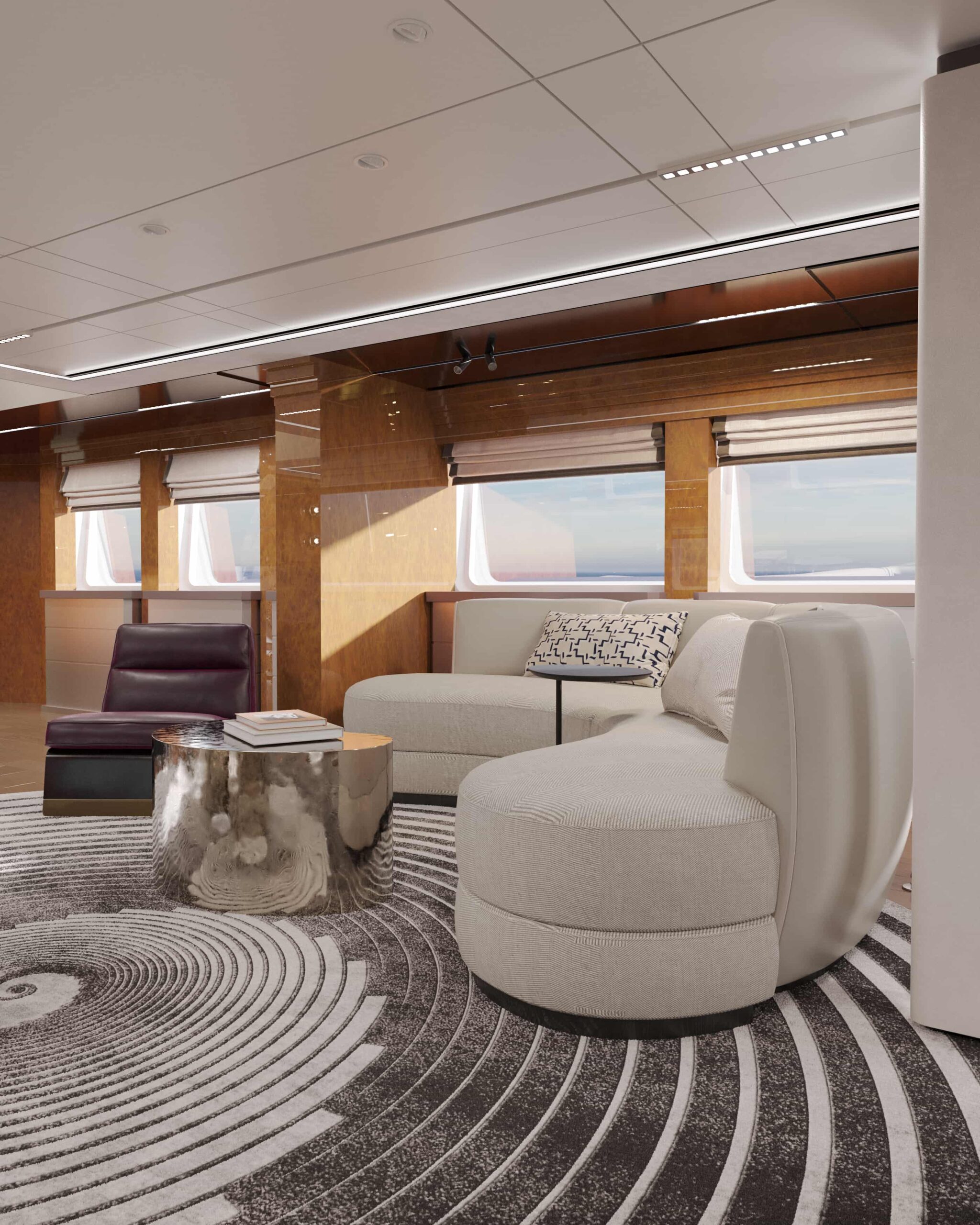
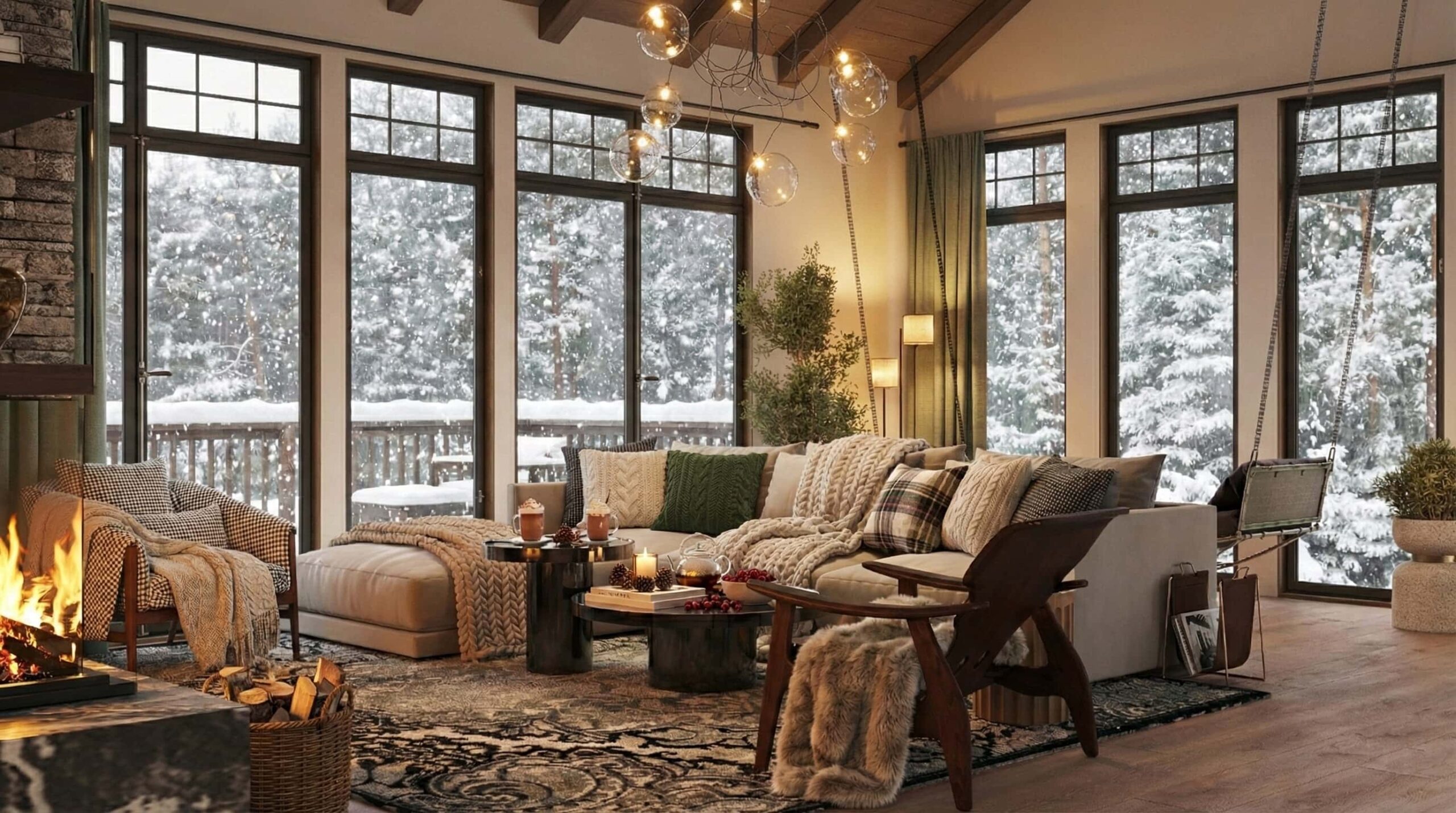
Minimalist Interior Design Style
Minimalist interior design is a breath of fresh air in a time when everyday living can frequently seem overcrowded and chaotic, providing peace, clarity, and purpose in the home. This design philosophy, which is based on the ideas of practicality, simplicity, and aesthetic refinement, emphasises removing unnecessary elements while highlighting the fundamentals. The minimalist interior design style has gained favour among those who want structure and tranquilly in their living areas, whether they live in rural residences or city apartments.
This essay explores the fundamental ideas of minimalistic interior design, what it really means, and the advantages of adopting a more deliberate approach to your living space. We’ll walk you through the essential design components, room-by-room advice, and well-considered fixes for turning your interiors into contemporary getaways of effectiveness, style, and space-conscious beauty.
What is Minimalist Interior Design?
The concept of “less is more” lies at the heart of minimalist interior design. It highlights clear lines, muted colour schemes, open layouts, and carefully considered details while removing extraneous parts. Fundamentally, this design philosophy emphasises usefulness, clarity, and simplicity — using limitations and spatial awareness to create an air of openness and peace.
Minimalist interior design rooms don’t lack personality, in contrast to empty or stark aesthetics. Rather, they are thoughtfully chosen to emphasise each component for its function and design integrity, embracing quality above quantity. Every piece, whether it’s a well-chosen chair with sculptural beauty or an organic wood finish that adds cosiness to a space, enhances the entire look without taking over.
Historically influenced by modernist architecture and Japanese Zen interiors, minimalist interior design integrates global elements while adapting to modern lives. It provides a versatile structure that can be adjusted to suit different preferences, price ranges, and spatial requirements, making it appropriate for both large family homes and small studios.
Core Principles of Minimalist Interior Design
The underlying principle of minimalist interior design has to be embraced in order to fully comprehend and implement it. The following fundamental ideas serve as the basis for this strategy:
- Functionality first – every item should serve a clear function, and nothing is included just for show. Furniture is often multi-purpose, storage is hidden or integrated, and open layouts encourage freedom of movement.
- Visual Clarity – spaces are designed to reduce visual noise. This means fewer decorative elements, well-aligned furniture placement, and the use of symmetry to instill a sense of cleanliness and order.
- Quality over Quantity – in minimalist design interior style, each object is chosen with intention. Whether it’s furniture, lighting, or accessories, items are selected for their design integrity, craftsmanship, and relevance to the space.
- Neutral Color Palettes – a restrained palette of whites, greys, beiges, and muted tones creates a tranquil backdrop, allowing textures and forms to stand out without distraction.
- Negative Space Matters – just as important as the objects in the room is the space around them. In minimalist interior design, negative space isn’t seen as emptiness, it’s an active design element that gives balance and breathability.
Following these guidelines makes a minimalist space not only feel better but also look better. It encourages concentration and mindfulness, which are traits that go far beyond the visual domain.
Benefits of Choosing Minimalist Style Interior Design
Although minimalist rooms are aesthetically pleasing, their real worth is found in their ability to change the way we live. The philosophy of minimalistic interior design is based on making thoughtful choices to improve living, and its advantages reach well beyond visual appeal.

- Less clutter, more clarity
One of the most immediate and noticeable advantages is the reduction of clutter. A tidy, thoughtfully organized environment promotes mental clarity, reducing stress and allowing you to focus on what truly matters. This benefit is especially powerful in modern urban homes where space is limited, and visual overload is a constant.
- Improved functionality
The emphasis on functionality in minimalist interior design styles results in spaces that work better. Whether it’s a hidden storage bench in the hallway or a modular kitchen island that doubles as a dining table, everything is designed to serve multiple purposes efficiently. This streamlined approach ensures every square foot of your home is optimized for use.
- Easier maintenance
Fewer decorative items and simplified layouts mean less time spent cleaning and organizing. Smooth surfaces, smart storage, and uncluttered countertops contribute to a space that stays tidy with minimal effort. This is especially appealing to busy professionals and families alike.
- Cost-effectiveness over time
Although minimalistic interior design often emphasizes high-quality items, it ultimately promotes cost-efficiency. Instead of buying multiple low-quality decor pieces, the focus is on investing in fewer, durable, timeless items that don’t need constant replacement.
- Timeless aesthetics
Trends may come and go, but the minimalist aesthetic remains evergreen. The neutral tones, clean lines, and balanced forms characteristic of minimalist design interior spaces make them adaptable and future-proof, eliminating the need for frequent style overhauls.
- Promotes mindfulness and intentional living
Minimalism encourages a slower, more intentional lifestyle. It asks you to consider what you bring into your home, why you own it, and how it contributes to your life. This sense of purpose often extends to other areas of life, from spending habits to daily routines, making the home a starting point for holistic well-being.
Key Elements of Minimalist Interior Design
Understanding the fundamentals of minimalist interior design is crucial to become an expert at it. These components guarantee that your house complies with the minimalist design principles of simplicity, modernism, and beauty while also defining the appearance and feel of your area.

Color Palette for Minimalist Interior Design
Perhaps the most distinctive aspect of a minimalist interior design style is the colour palette. It creates the canvas that all other components sit upon and establishes the mood of the room.
- Neutral shades – whites, off-whites, beiges, and greys are the foundation of the minimalist palette. These tones evoke calmness, cleanliness, and spaciousness — ideal for rooms designed to feel open and breathable.
- Earthy accents – soft taupes, muted greens, and gentle browns are often used as accent colors. These earthy hues add warmth and subtle contrast without disrupting the tranquil mood.
- Monochrome harmony – sticking to variations of a single hue can create a layered but unified look. For example, combining different shades of grey with varying textures adds depth without visual noise.
- Limited bold contrasts – while minimalism usually avoids high contrast, a carefully placed black element, a matte-finish lamp, or a steel-framed coffee table, can provide striking visual interest without overwhelming the composition.
Furniture and Decor Choices in Minimalist Design
When selecting items for a minimalist interior design style, remember the principle of “form follows function.” Decor and furniture should be functional and visually appealing without being overly extravagant.
- Clean lines and simple forms – sofas, chairs, and tables are chosen for their architectural clarity. Look for straight or gently curved lines, unobtrusive legs, and sleek silhouettes that complement the room’s geometry.
- Natural materials – wood, stone, linen, leather, and concrete are favored materials in minimalist design interiors because they add organic warmth and tactile richness while staying visually restrained.
- Quality over quantity – instead of filling a room with many items, minimalists opt for fewer but better-quality pieces. A sculptural lounge chair or a handcrafted ceramic vase becomes a focal point rather than part of a visual cacophony.
- Hidden storage – in keeping with the theme of efficiency, minimalistic interior design homes often use concealed storage solutions to reduce visible clutter. Floating shelves, built-in cabinets, and multi-functional furniture pieces contribute to a clean aesthetic.
- Thoughtful décor – while accessories are minimal, they are by no means absent. A single piece of abstract art, a sculptural light fixture, or a plant in a matte pot can all bring personality and life into the space.
How to Incorporate Minimalist Design into Your Home
The first step in adopting a minimalist interior design style is changing your perspective to emphasise purpose, usefulness, and clarity. Declutter your area first by getting rid of anything that isn’t clearly needed. This method makes the focal point of every space visible, letting the important components take centre stage. To create a tranquil, cohesive vibe, stick to a limited colour scheme — whites, greys, or soft earthy tones work best — and keep it consistent throughout the house.
Furniture in minimalist interior design ought to have a purpose and be useful. Choose simple components that offer flexibility or storage, like mattresses with built-in drawers or modular seats. To highlight spaciousness, don’t overcrowd the place; instead, allow spaces to organically have empty spaces. Natural textures, such as wood, stone, and linen, can enhance the character of a space without adding visual clutter by providing subtle warmth and tactile interest.

Transforming Living Rooms with Minimalist Design
The living room often serves as the centerpiece of the house, and using a minimalist interior design style here can totally change the mood. Keep your furniture simple and neutral in colour, letting each piece’s shape and purpose do the talking. Avoid over-decoration; a single sculpture or huge piece of art can have a much greater impact than multiple smaller ones for minimalist interior design.
Use sheer curtains or keep the windows open to let in natural light. For throws and rugs, use high-quality materials like wool or linen to add depth and softness. A well-balanced arrangement and fewer distractions transform your living room into a space of ease, comfort, and seamless style.
Minimalism in Bedroom and Kitchen Design
In the bedroom, where simplicity promotes relaxation and peace of mind, minimalist design is particularly effective. Limit ornamental aspects to a few significant pieces, choose essential furniture with concealed storage, and keep the colour scheme light and calming. A bedroom lamp, a soft rug, and clear surfaces all contribute to a calm, healing environment.
On the other side, minimalist interior design styles in the kitchen improve daily functionality in addition to appearance. For a sleek appearance, use neutral finishes and flat-panel cabinets. Only the most cherished or exquisite items should be revealed on cluttered surfaces. The end effect is a light-filled, well-organised, and functional area that complements contemporary living without sacrificing design.
The minimalist interior design style provides more than just a clean look; it introduces a way of life based on clarity, harmony, and purpose. Minimalist interiors enhance function, foster tranquilly, and promote well-being by clearing clutter and emphasising key components.
A minimalist interior design is quite versatile, whether you’re redesigning your entire house or just one room. It promotes well-considered decisions, classic design, and practical arrangements that simplify and improve daily living. Choosing minimalism is about acquiring more space, calm, and intention in your life, not about giving up possessions.